Renters are more likely to double up when the price of rental housing is less affordable.


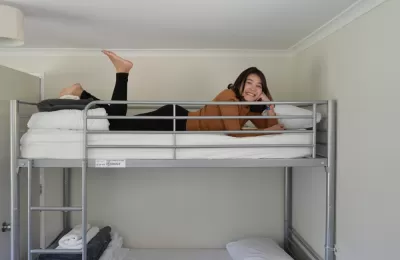
An analysis of American Community Survey data reveals telling trends in rental housing—specifically about the number of renters sharing their homes with roommates or their parents.
Lauren Brentz shares insight into the findings of the analysis by the team at Zillow. The three headlining findings are as follows:
- 30 percent of working-age adults—aged 23 to 65—live in doubled-up households, up from a low of 21 percent in 2005 and 23 percent in 1990.
- Adults living with roommates or family members earn 67 cents for every dollar made by adults who live on their own (or with a partner).
- More than half (54 percent) of young adults aged 23-29 live in doubled-up households, with either roommates or family members.
According to Brentz, these findings indicate renters looking for new ways to offset housing prices. Also of note from the findings: great variation in rates of doubling up depending on metro areas. New York and the San Francisco Bay Area, two of the most expensive rental markets in the country, have the highest rates of doubling up.
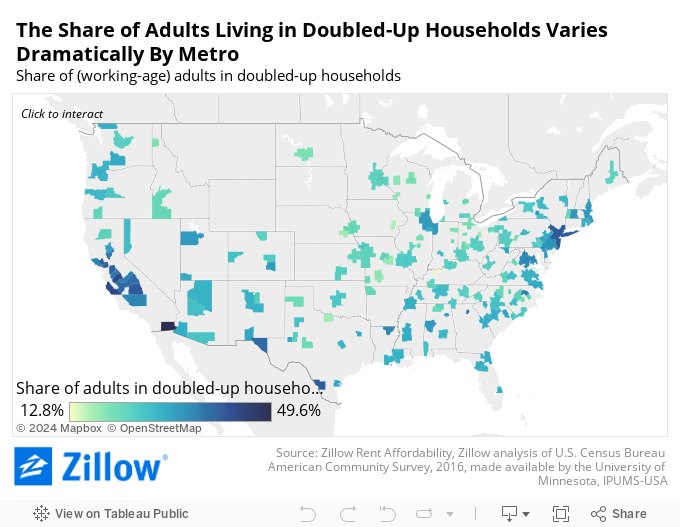
FULL STORY: As Rents Rise, More Renters Turn to Doubling Up

Experts Expect Rent to Drop, Along With Incomes
There is no silver lining in the news that experts expect the cost of rental housing to decline as a result of the coronavirus pandemic.
How Single-Family Conversions Benefit Both Homeowners and Cities
Converting single-family homes to triplexes can ease the housing crisis and offer affordable, flexible options for more households. Why is it largely illegal?
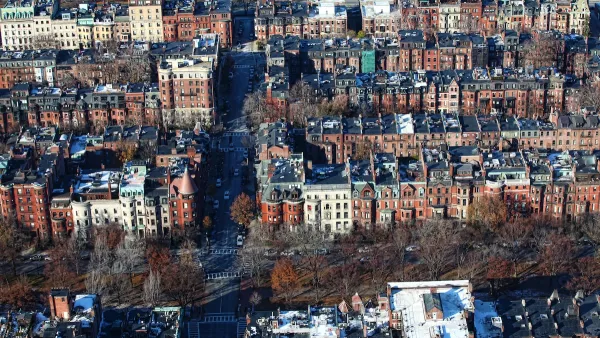
Boston Affordable Housing Program Meets 1,000-Unit Goal
The program offers zero-interest loans to developers that keep rental units affordable for at least 50 years.

The state-sanctioned urbicide of Austin
People don’t kill cities. Freeways do.

US to reduce Colorado River water deliveries to Mexico
A new Colorado Treaty amendment reduces Mexico’s Colorado River water allocation by 250,000 acre feet.

New Jersey’s second-largest city bans standalone data centers
Jersey City will continue to allow co-location facilities, such as those meant for research institutions that store their own data.

Amtrak not solely to blame for New Jersey commuter rail's unreliability, report finds
A new study from the Garden State Initiative found that NJ Transit’s budget grew 20% across a 4 year period, but reliability declined significantly over the same period.

EPA erases limits on planet-warming pollution from power plants
Under Monday’s plan, power plants would still have some limits on how much mercury, arsenic and other contaminants they can emit.

Phoenix announces new on-demand transit service, more frequent RAPID buses
Both new services will launch in October, and are part of Phoenix's Project Effective Access Solutions for Easing Congestion.

FREE Course: Walkable City 1: Why Walkability?
After describing his path towards focusing on walkability as the essence of good planning, Jeff Speck marches through his five principal reasons for making more walkable places.
Reinventing Malls: Planning Alchemy—Turning Gray Fields Into Gold
The course focuses on the opportunities and imperatives that shape reinvention of mall sites.

Eagle County Government
Harvard University Graduate School of Design
Nashville Planning Department
The Architects Foundation
University of Cincinnati Online
The Pocatello Development Authority
The Urban Renewal Agency of the City of Pocatello
Journal of the American Planning Association