Chicago's Planning Department is putting eight city lots to work as "Stormwater Parks."


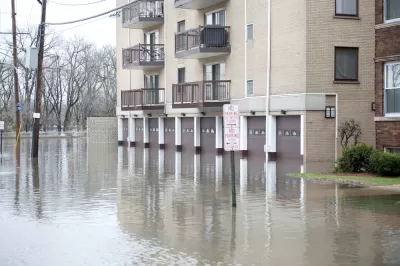
Ground water storage, rainwater runnels, and permeable pavement will be some of the features included in new stormwater parks in Chicago. "The eight lots are scattered across the Humboldt Park and North Lawndale community areas. Building permits were issued last week," Steven Vance writes for Chicago Cityscape.
These parks aim to serve two purposes: turning vacant lots into park space and lessening the burden sewers take on during big storms. "When there is a lot of rain, water enters some parts of the sewer too quickly, and combined with sewerage from buildings, overflows the system. Water can back up into people’s houses, or flood streets," Vance reports.
Read the full story: City plans to use vacant lots to manage stormwater

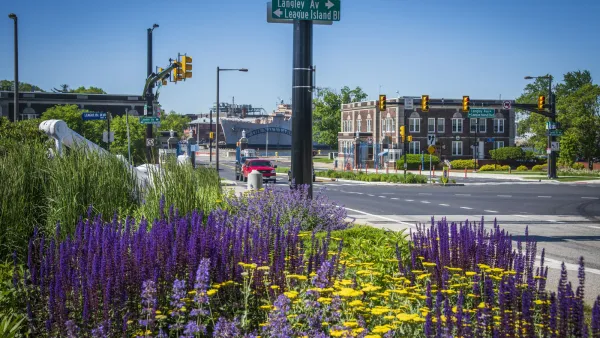
Philadelphia sees 29% drop in gun violence near new green spaces
A city-backed program that cleans up blighted and vacant lots is creating new public spaces and reducing crime in surrounding communities.
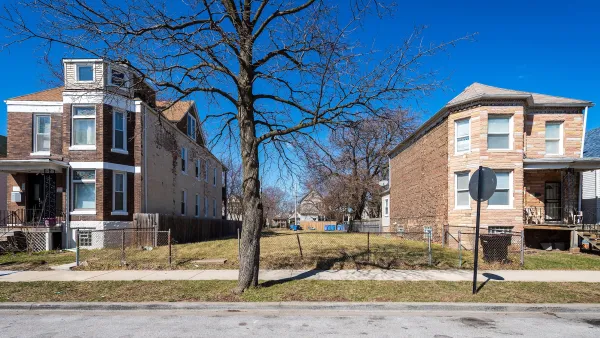
Chicago Breaks Ground on Vacant Lots Sold for $1 to 'Rebuild Middle-class Housing.'
The city’s Missing Middle Infill Housing program supports development in distressed neighborhoods.
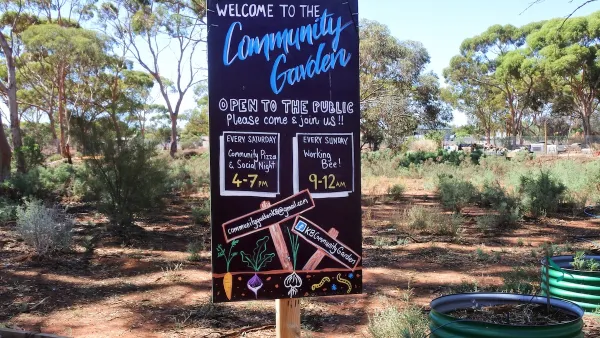
Community-Led Initiatives To Beautify and Reclaim Neglected Areas
Explore successful community-led initiatives that revitalize neglected urban spaces, fostering beauty and reclaiming areas for public benefit and enjoyment.

Planetizen Federal Action Tracker
A weekly monitor of how Trump’s orders and actions are impacting planners and planning in America.

California plans to bury El Niño’s downpour
If the state plays its cards right, it may be able to store a billion acre-feet of El Niño’s water in aquifers.

Desperate measures: Advocates weigh draining Lake Powell to fill Colorado River
Draining the reservoir could reduce evaporation losses by a couple hundred thousand acre-feet.

California city breaks ground on transit connector
The project includes three mobility hubs and a pedestrian bridge.

After public outcry, Massachusetts city releases housing development tracker
Cambridge’s tracker currently shows 250 housing projects in various stages of development.

40 years after approval, Chicago breaks ground on new park
The park honors Jean Baptiste Point du Sable, the city’s first permanent non-native settler.

FREE Course: Walkable City 1: Why Walkability?
After describing his path towards focusing on walkability as the essence of good planning, Jeff Speck marches through his five principal reasons for making more walkable places.
Reinventing Malls: Planning Alchemy—Turning Gray Fields Into Gold
The course focuses on the opportunities and imperatives that shape reinvention of mall sites.

City of Rosemead
Rutgers University, Edward J. Bloustein School of Planning and Public Policy
One Hundred Miles
Hunter College, City University of New York (CUNY)
The Architects Foundation
University of Cincinnati Online
City of Cambridge
Montrose County
The Pocatello Development Authority