Much of the land use plan is focused on what will not be used -- areas set aside as urban preserves.


"Metro and the partner counties emerged with a plan that designates about 28,000 acres of urban reserves -- land where the urban growth boundary will eventually be expanded -- and slightly more than 272,000 acres of rural reserves that are set aside for farming, forestry and natural areas.
The reserves designations are intended to provide long-term certainty to the regional growth planning process. Farmers, the thinking goes, will be able to confidently make crop and equipment decisions knowing that urban development won't crowd them out for decades to come."
The plan passed in a split vote and still remains controversial among many in the area.
Read the full story: Metro approves land-use blueprint for Portland-area growth
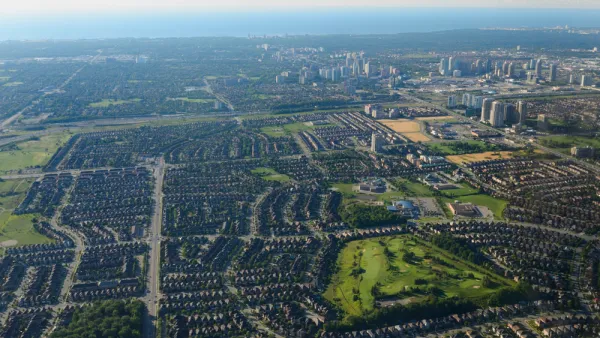
Nowhere to Build but Up
An old way of doing municipal business—generating development fees by opening farmland to development—is no longer paying dividends. Mississauga, Ontario serves as a cautionary tale for the bottom line of sprawl.
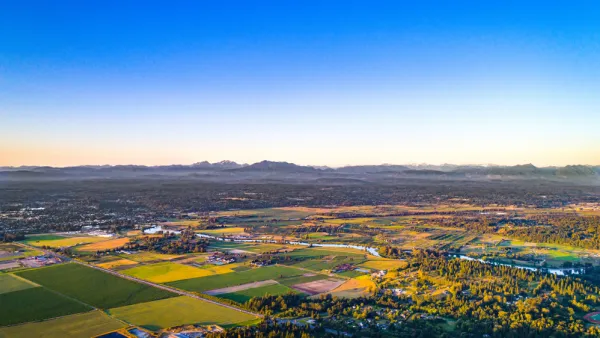
Evaluating the Washington Growth Management Act
The state law that set urban growth boundaries around the state is in its fourth decade as suburban sprawl expands urban growth boundaries around Washington.
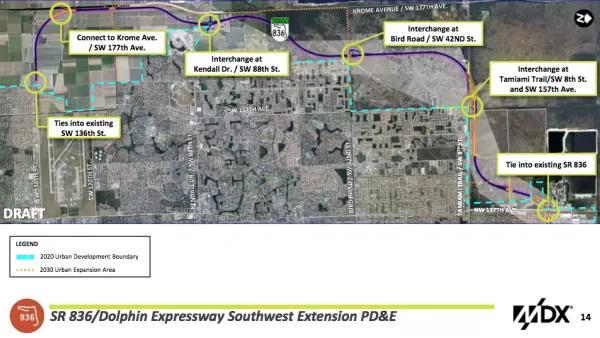
Miami-Dade Wants to Add 13 Miles to the Dolphin Expressway
The extended tollway would cut beyond the Urban Growth Boundary into the Everglades.

Planetizen Federal Action Tracker
A weekly monitor of how Trump’s orders and actions are impacting planners and planning in America.

California plans to bury El Niño’s downpour
If the state plays its cards right, it may be able to store a billion acre-feet of El Niño’s water in aquifers.

Desperate measures: Advocates weigh draining Lake Powell to fill Colorado River
Draining the reservoir could reduce evaporation losses by a couple hundred thousand acre-feet.

Los Angeles just elected an urban planner as its mayor
Transportation analysts are optimistic that Raman will be more aggressive in addressing transit issues than Bass.

Mamdani’s pied-à-terre tax survives legal challenge
A panel of judges found that the plaintiffs failed to demonstrate injury as a result of New York City's implementation of the tax.

Eastern Nebraska is running out of electricity
Data centers and electrification are straining eastern Nebraska’s grid, throttling economic development.

FREE Course: Walkable City 1: Why Walkability?
After describing his path towards focusing on walkability as the essence of good planning, Jeff Speck marches through his five principal reasons for making more walkable places.
Reinventing Malls: Planning Alchemy—Turning Gray Fields Into Gold
The course focuses on the opportunities and imperatives that shape reinvention of mall sites.

City of Rosemead
Rutgers University, Edward J. Bloustein School of Planning and Public Policy
One Hundred Miles
University of Michigan School for Environment and Sustainability (SEAS)
Hunter College, City University of New York (CUNY)
The Architects Foundation
City of Cambridge
Montrose County
The Pocatello Development Authority