Land Use
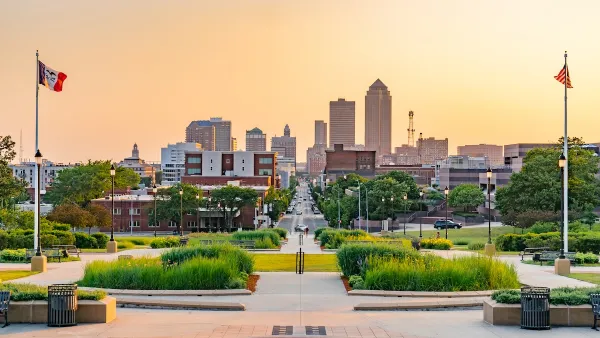
Iowa Legalizes Accessory Dwelling Units
A new law will allow property owners to build ADUs on single-family lots starting on July 1.

NYC Council Approves Brooklyn Rezoning Plan
The Atlantic Avenue Mixed Use Plan includes infrastructure investments and could bring 4,600 new housing units to parts of Brooklyn.

Seattle’s Upzoning Plan is Ambitious, Light on Details
The city passed a ‘bare-bones’ framework to comply with state housing laws that paves the way for more middle housing, but the debate over how and where to build is just getting started.

In Dense NYC, What Does ‘Human Scale’ Mean?
Advocates reject the NIMBY label, arguing that they seek a more sustainable, incremental pace of growth modeled on mid-rise neighborhoods.
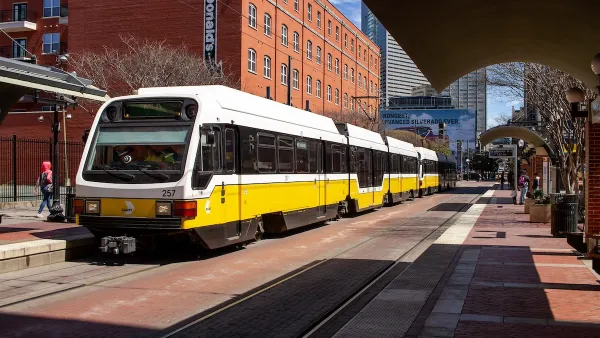
DARTSpace Platform Streamlines Dallas TOD Application Process
The Dallas transit agency hopes a shorter permitting timeline will boost transit-oriented development around rail stations.
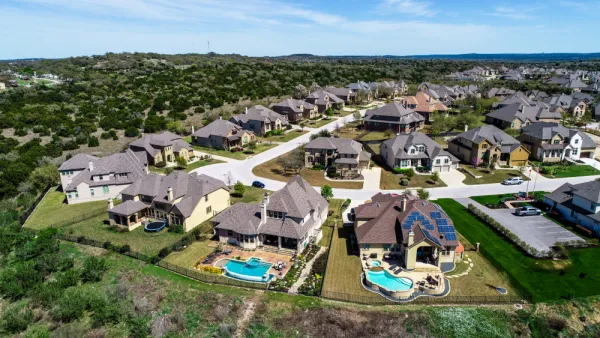
Bill to Allow Smaller Homes on Smaller Lots Resurrected in Texas House
A top priority of Lt. Gov. Dan Patrick, the legislation would make it easier to construct homes on smaller lots. A House Democrat briefly killed the bill.
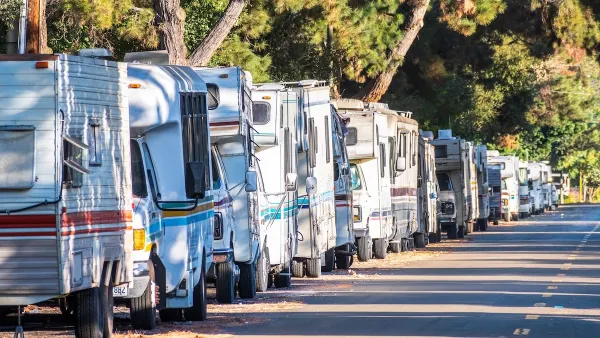
Seattle Safe Parking Site to Close, Relocate
A nonprofit leases lots during permitting stages to erect tiny homes and RV safe parking sites for unhoused residents. But the model means constant uncertainty and displacement.
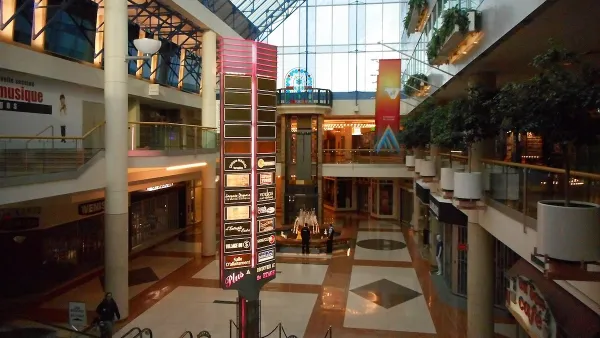
Montreal Mall to Become 6,000 Housing Units
Place Versailles will be transformed into a mixed-use complex over the next 25 years.
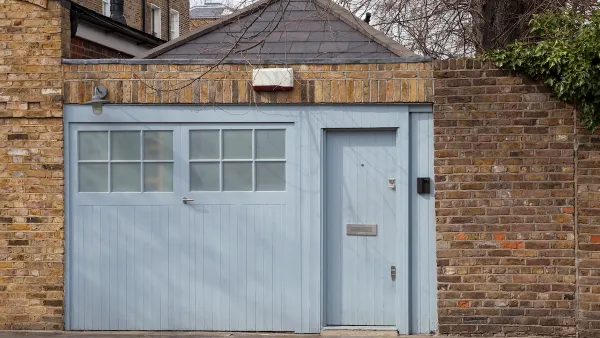
Are ADUs New Jersey’s Affordable Housing Solution?
Accessory units can bring gentle density increases and boost the housing supply with minimal impact on local infrastructure.
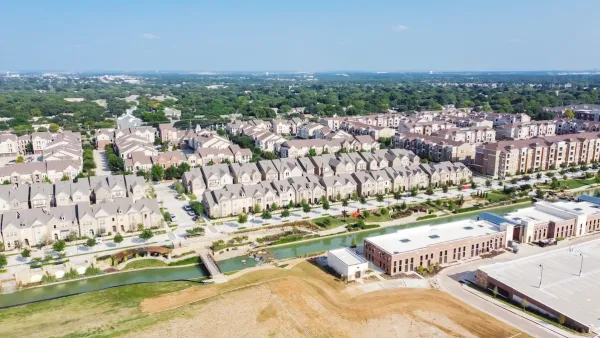
Texas Bill Supports Adaptive Reuse in Commercial Areas
Senate Bill 840, which was preliminarily approved by the state House, would allow residential construction in areas previously zoned for offices and commercial uses.

How Cities Can Support Climate Adaptation
In the face of federal cuts to climate resilience funding, a panel at ULI’s Resilience Summit offered suggestions for maintaining managed retreat and other climate adaptation programs.

Nevada and Utah Groups Oppose Public Land Sell-Off Plan
A set of last-minute amendments to the budget reconciliation bill open up over half a million acres of federally managed land to sales.

Wisconsin Awarded $12 Million for Brownfield Redevelopment Amid Broader EPA Budget Cuts
The EPA provided the funding to Wisconsin for brownfield cleanups in cities like Milwaukee and Racine, even as broader agency budget cuts under the Trump administration raise concerns about future environmental protection capacity.
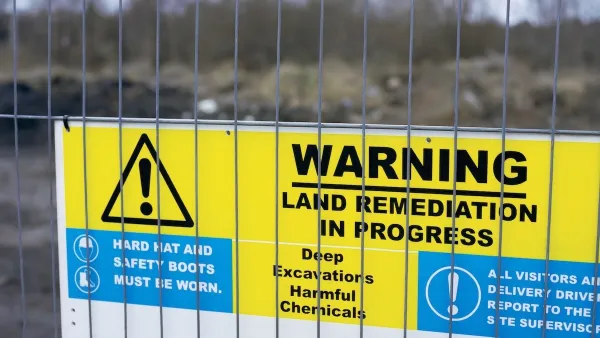
EPA Awards $267 Million to Clean Up and Reuse Contaminated Sites
The EPA is investing the funds to clean up and redevelop contaminated sites nationwide, supporting economic growth, community revitalization, and environmental restoration.
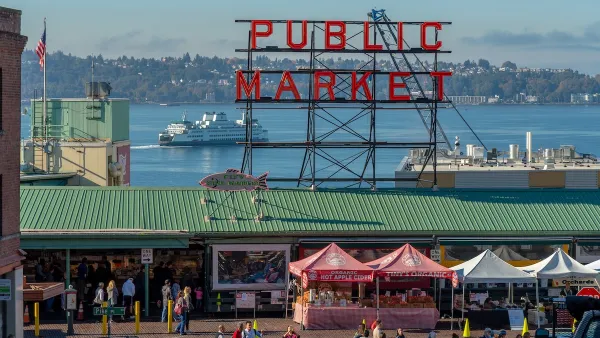
Seattle’s Pike Place Market Leans Into Pedestrian Infrastructure
After decades of debate, the market is testing a car ban in one of its busiest areas and adding walking links to the surrounding neighborhood.

Dallas Code Reform Makes Way for Missing Middle Housing
The Dallas City Council voted to change the city’s building code to allow up to eight residential units in three-story buildings.

E-Scooter Parking: A Guide
How smart planning — and ample designated parking — can end conflicts over shared scooters.
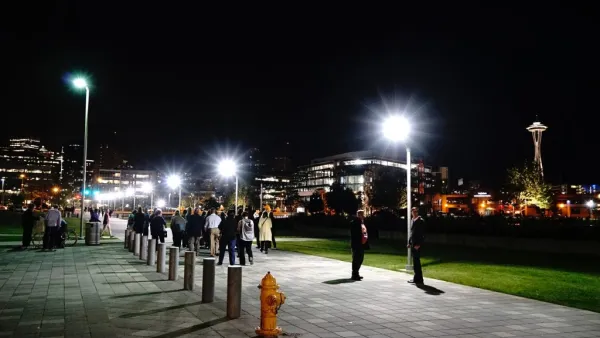
Is This Urbanism?
Chuck Wolfe ponders a recommended subscription list of Substack urbanists and wonders — as have others — about the utility of the "urbanist" moniker.

Mapping Groundwater Risks from Orphan Wells Across U.S. Aquifers
A new USGS study reveals that more than half of the nation’s documented orphan wells lie within aquifers supplying the vast majority of U.S. groundwater, posing widespread risks of contamination from aging, unplugged infrastructure.

Reflections on Representation and Legacy in Parks and Public Service
In a personal reflection for Asian American and Pacific Islander Heritage Month, planner Clement Lau explores how cultural identity, public service, and a commitment to equity have shaped his career in parks, community planning, and sustainability.

FREE Course: Walkable City 1: Why Walkability?
After describing his path towards focusing on walkability as the essence of good planning, Jeff Speck marches through his five principal reasons for making more walkable places.
Reinventing Malls: Planning Alchemy—Turning Gray Fields Into Gold
The course focuses on the opportunities and imperatives that shape reinvention of mall sites.

One Hundred Miles
County of Mendocino
planning NEXT
The Architects Foundation
University of Cincinnati Online
Montrose County
Northern Illinois Transit Authority (NITA)
The Pocatello Development Authority









