Infrastructure
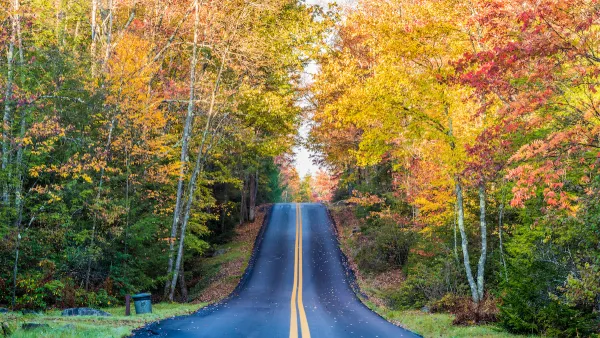
Study: Road Design, Speed Key Factors in Pedestrian Deaths
A recent study emphasizes the importance of good road design and low speed limits in keeping pedestrians safe.
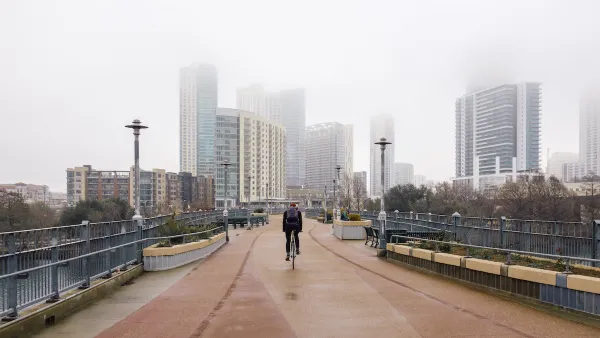
Texas Awards $345 Million for Bike and Pedestrian Projects
The investment is six times as much as the Texas Transportation Commission made available in the last call for projects.
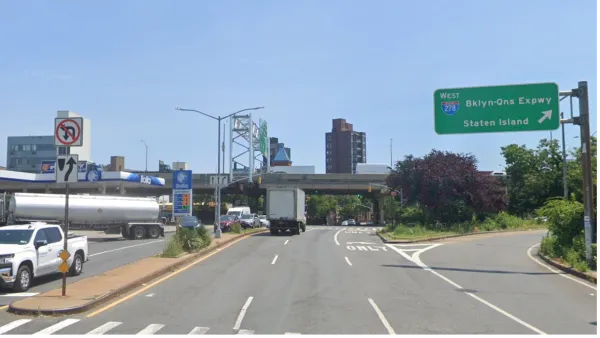
New York Bike Lane Generates Confusion
A compromise road diet with “flex lanes” falls short of its promise.
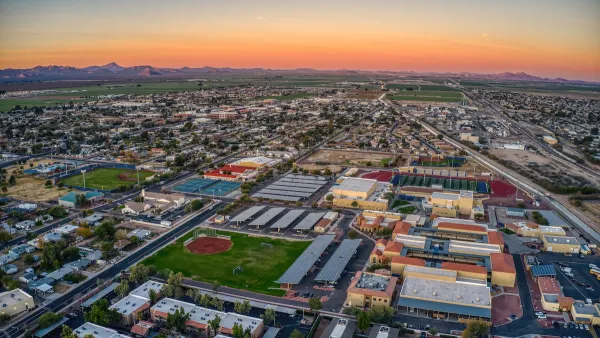
Arizona Town Looks for New Water Sources, Insists Development ‘Full Steam Ahead’
While many Southwest cities are looking for ways to conserve water and limit growth as water supplies become strained, one town is pressing ahead with rapid development.
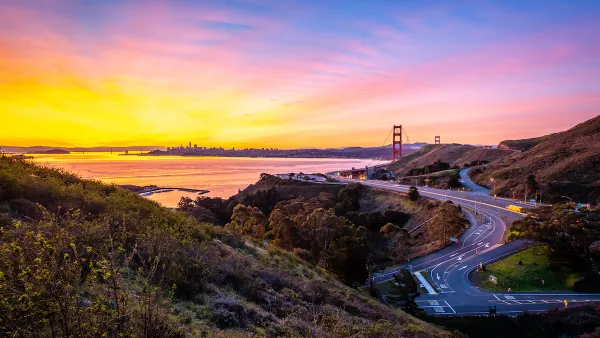
California State Law Calls on Coastal Regions to Create Resiliency Plans
Cities and counties at risk of flooding and erosion from sea level rise can access state funding to implement coastal resiliency plans.
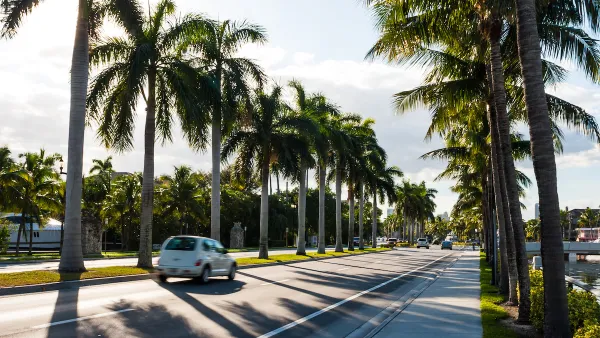
Florida to Adopt ‘Safe System’ Traffic Safety Approach
The concept focuses on road design and policy that reduces the likelihood of severe injuries and deaths.
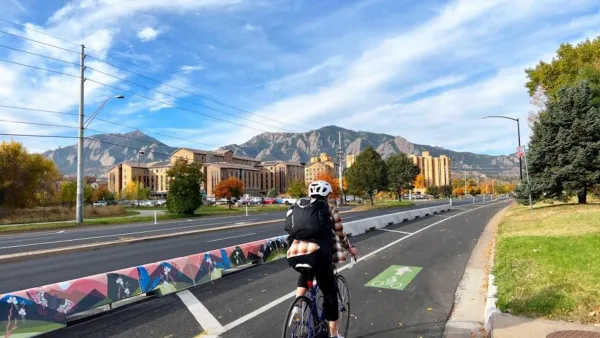
Boulder Bike Lane Barriers First in Nation
The Colorado city will install concrete barriers to physically separate bikes from vehicle lanes.
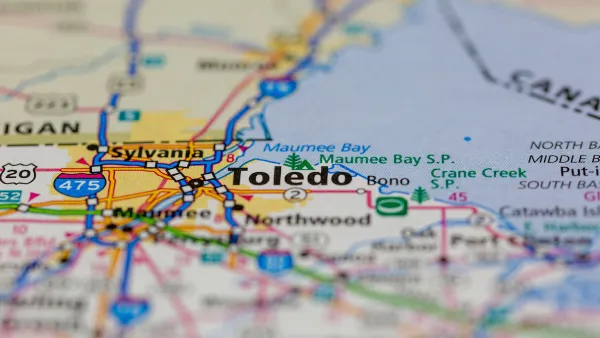
Wielding Data to Fight Freeway Expansions in Toledo
A group of resident advocates is challenging the Ohio Department of Transportation’s arguments in favor of a proposed interstate widening.
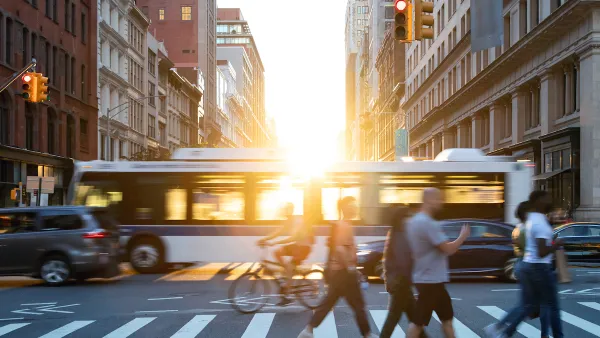
When it Comes to Vehicle Travel, Less is More
Motor vehicle travel provides many benefits, but also imposes large costs on users and communities. With better planning people can drive less, rely more on non-auto modes, enjoy more access, and be better off overall as a result.
Opinion: To End Traffic Deaths, Cities Must Put Safety Over Speed
Eliminating road deaths requires an overhaul of U.S. infrastructure and regulations to prioritize the safety of people in cars, on foot, and on bikes.
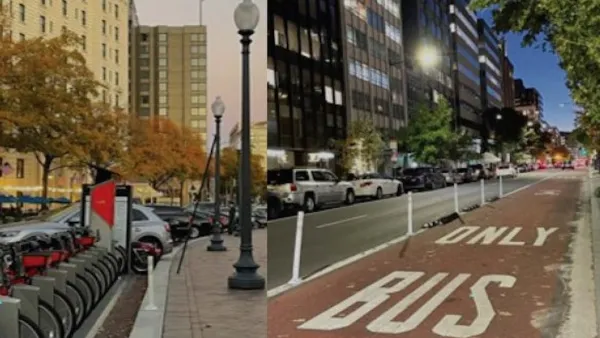
Vehicle Miles Traveled as a Metric for Sustainability
Motor vehicle travel benefits users but also imposes large economic, social, and environmental costs. With better planning, our needs can be met with less vehicle travel. A new ITE report describes why and how to optimize the amount we drive.
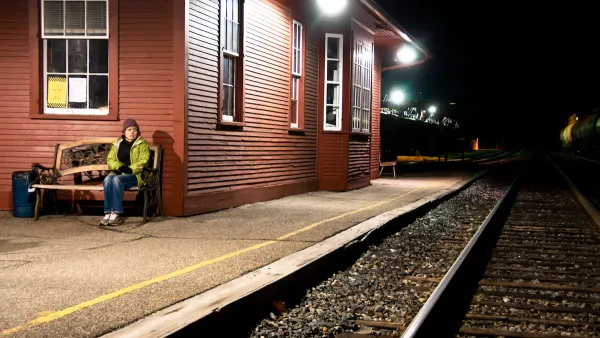
Turning a Gendered Lens on Transportation
People of different genders, ages, and abilities experience transportation differently. But policies aren’t designed that way.
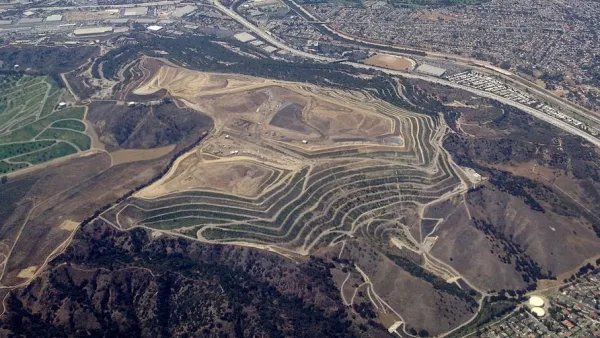
Creating a New Regional Park by Restoring Degraded Lands
Los Angeles County is transforming 142 acres of the Puente Hills Landfill into parkland, creating the first new regional park in the county in over 35 years. The recently released concept plan and renderings show what the park will look like.
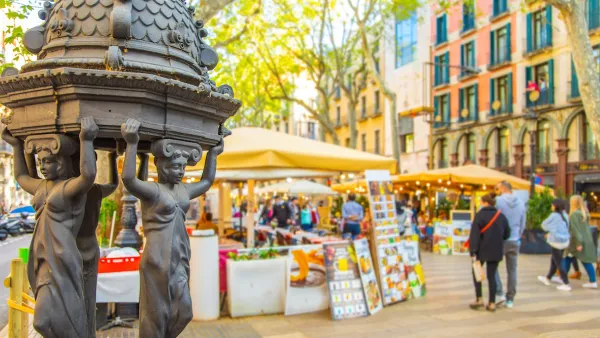
Rick Steves on Walkability Lessons From Europe
Many of Europe’s pedestrian-friendly, transit-rich cities weren’t always that way.
Election 2024: California Voters to Decide on $6 Billion Homelessness Bond
Gov. Gavin Newsom signed two ‘behavioral health’ bills that put Proposition 1 on the March 2024 ballot, targeting the housing, mental health, and substance use treatment needs of homeless residents living in encampments. Opposition has arisen.
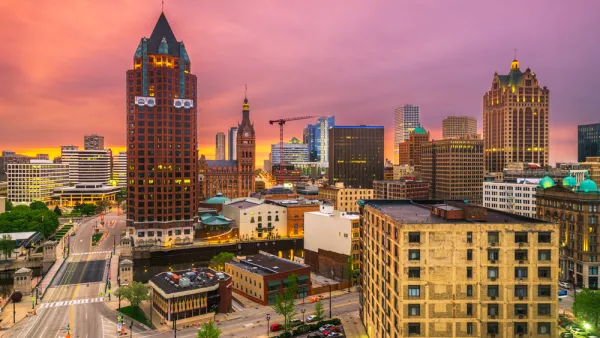
A Look at Milwaukee’s Vision Zero Efforts
The city is making slow but steady progress on reducing traffic deaths. Some advocates say changes aren’t being implemented fast enough to save lives.
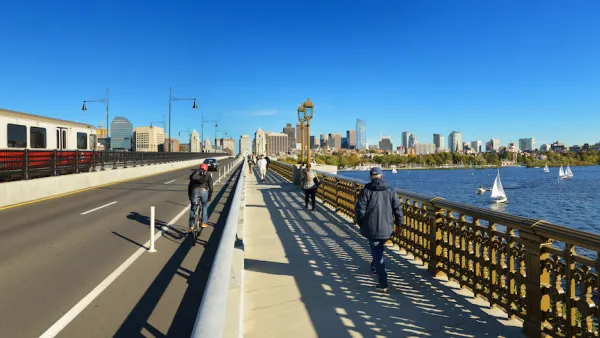
Progress Report: Boston Strong on Street Safety, Slow to Reduce Emissions
A new report assesses the city’s progress halfway through implementation of the ‘Go Boston 2030’ long-range transportation plan.
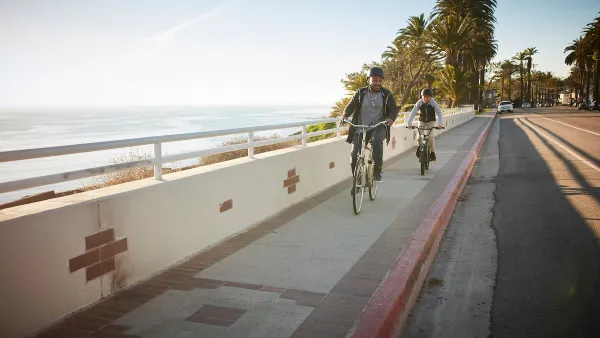
California Governor Vetoes Sidewalk Cycling Bill
The law would have allowed people to bike on sidewalks on roadways that lack safe bikeways.
Restoring Solvency to the Highway Trust Fund
The Highway Trust Fund, the nation's source of road and bridge funding, went bankrupt in 2008 and has since relied on transfers from the General Fund to supplement fuel taxes. Republican Senators have proposed a new funding source: an EV fee.

Urban Design for Addressing Climate Resilience
Cities around the world are finding ways to protect their residents and infrastructure from the impacts of extreme weather and natural disasters.

FREE Course: Walkable City 1: Why Walkability?
After describing his path towards focusing on walkability as the essence of good planning, Jeff Speck marches through his five principal reasons for making more walkable places.
Reinventing Malls: Planning Alchemy—Turning Gray Fields Into Gold
The course focuses on the opportunities and imperatives that shape reinvention of mall sites.

City of Charlotte
City of Rosemead
Rutgers University, Edward J. Bloustein School of Planning and Public Policy
University of Michigan School for Environment and Sustainability (SEAS)
Hunter College, City University of New York (CUNY)
The Architects Foundation
University District Partnership
City of Cambridge
The Pocatello Development Authority









