Housing
The McMansionization of New York
With New Yorkers, and foreigners of means, increasingly smitten with the views afforded by the city's sprouting luxury residential towers, developers and brokers have found a novel way to sell lower-floor spaces - as 'mansions'.
54 Ideas for Fixing D.C.
In advance of next year's mayoral race, the Washington City Paper has reached out to local leaders for their suggestions for how to fix one of the city's intractable problems. See their 28 detailed, and 26 simple, solutions.
One Major Flaw of Plan Bay Area
According to SF State University geographer, Jason Henderson, the adoption of Plan Bay Area by MTC and ABAG last Thursday was a "watershed moment in regional planning", but it also was a missed opportunity to improve transit to capture more trips.
New York's Abominable Affordable Housing Wait List
There are now 227,000 individuals and families on the NYC Housing Authority's wait list for subsidized apartments, more than the city's entire public housing stock. With only 5,400 to 5,800 units available annually, the list is a dead end for most.
Millennials Not Ready to Leave Mom's Basement
During the Great Recession, household formation in the U.S. was well below historic levels, dimming the demand for new homes. Although many sectors of the economy have experienced sustained recoveries, household growth still lags.
Can Algorithms Expedite the Activation of Vacant Properties?
With thousands of abandoned homes located in neighborhoods of varying shape and character, Chicago has a massive challenge in returning its vacant properties to active use. Can algorithms help leaders decide on the right solutions?
How Neighborhood Improvement Can Prevent Gentrification
Rick Jacobus looks for a way out of gentrification paralysis, and suggests that incremental improvements to lower-income neighborhoods can be a bulwark against broad displacement.
NYC Mayoral Candidates Participate in Public Housing Pajama Party
For five Democratic candidates vying to become New York City's next mayor, a weekend sleepover in East Harlem's Lincoln Houses project was part reality show and part reality check.
Single Households: Older, Urban, Increasing, and More Sustainable
The number of single households has grown three-fold since the 1950s. More sustainable and more likely to live in cities than married households, singles experience a major problem: metro areas are not planned for them but for nuclear families.
Cluster Homes Invade L.A.'s Hip Hillsides
Small-lot homes are popping up in the hillsides north of downtown L.A. While the new occupants, often young buyers who can't afford or aren't interested in traditional single-family homes and high-rise condos, are pleased, some neighbors are not.
America's Most Effective Urban Revitalization Incentives Under Threat
The low-income housing and new-markets tax credits are two of the most effective tools for stimulating affordable housing creation and the revitalization of low-income neighborhoods. Don't let them fall victim to tax reform, argues Michael Rubinger.
L.A.'s Downtown Building Boom Comes Up Short
A rising chorus of architects, urban planners and developers are criticizing the suburban scale of development sweeping through downtown L.A. as a missed opportunity. They argue high-rises should be built instead of mid-rise apartment complexes.
Pursuing the 'American Dream' Can Be a Real Downer
Tight housing inventories, rising prices, and conservative mortgage lenders are preventing many would-be homeowners from buying their piece of the 'American Dream'. Michelle Higgins explains why this may actually be a good thing.
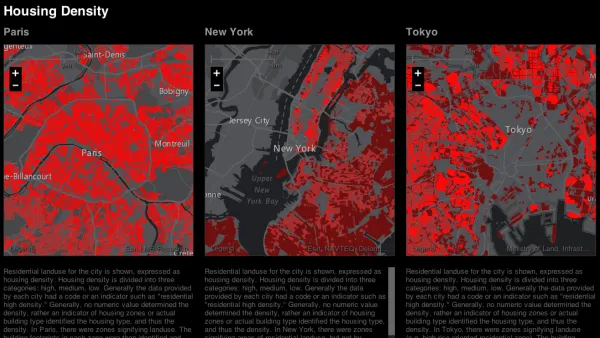
New Tool Facilitates Stunning City Comparisons
The creator of the TED conference has teamed up with Esri to develop an innovative interactive exhibit and online mapping tool to compare 16 global cities along 16 data points, including: population density, open space, and traffic.
A New Way to Diffuse NIMBYism?
A controversial affordable housing project proposed for Somerville, Mass. diffused community opposition by coordinating with the for-profit developer of an adjacent parcel. Could the partnership provide a template for moderating NIMBYism?
How the Centerpiece of D.C.'s Affordable Housing Efforts Became a Catastrophe
In an in-depth article, Robert Samuels examines the "oversights, missteps and missed opportunities" that have turned the New Communities Initiative - imagined as "the centerpiece of the District’s affordable-housing efforts" - into a train wreck.
What's Being Done to Keep D.C. Affordable?
Across the D.C. metro area, the supply of market-affordable apartments has dropped dramatically over the past decade as the region's economy has boomed. Nonprofit groups and local governments are working to improve affordability.
The Side Effects of Property Taxes
American reliance on property taxes leads to NIMBYism and periodic tax revolts, thus impeding both development and basic public services.
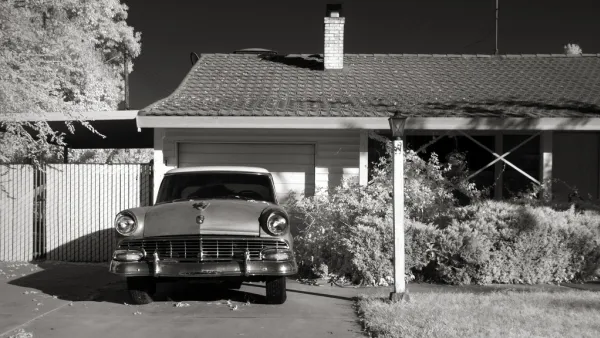
Why 'Leave it to Beaver' Neighborhoods are Ripe for Renewal
The nation has a huge quantity of postwar housing that can be made more walkable and appealing to new generations of residents. Robert Steuteville examines what makes them good candidates and notes some examples of successful retrofits.
Chinese Cities Lead List of the World's Most Unaffordable
While it may not have the world's highest absolute property values, Beijing has the highest imbalance between housing prices and incomes. Gwynn Guilford examines why this is problematic for the country's economic and social wellbeing.

FREE Course: Walkable City 1: Why Walkability?
After describing his path towards focusing on walkability as the essence of good planning, Jeff Speck marches through his five principal reasons for making more walkable places.
Reinventing Malls: Planning Alchemy—Turning Gray Fields Into Gold
The course focuses on the opportunities and imperatives that shape reinvention of mall sites.

Greater Baltimore Committee
Eagle County Government
Harvard University Graduate School of Design
The Architects Foundation
University of Cincinnati Online
The Pocatello Development Authority
The Urban Renewal Agency of the City of Pocatello
Journal of the American Planning Association