Government / Politics
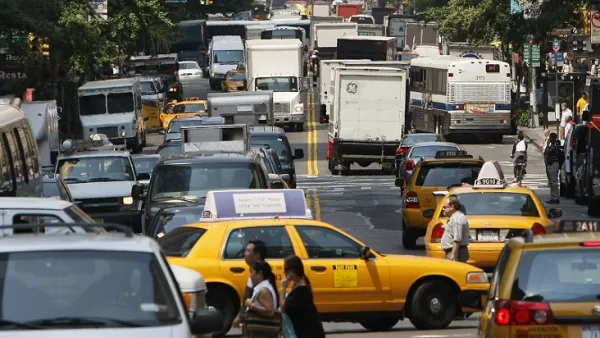
Op-Ed: Now is the Time for Congestion Pricing in NYC
The city's plan to charge vehicles entering Manhattan's central business district could reduce traffic and raise $1 billion a year for the city's transportation infrastructure.
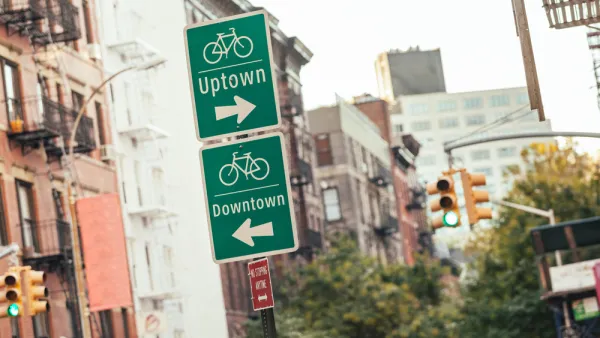
Can I Be a Libertarian for Bike Lanes?
Discussing the trade-offs between making government leaner and making traffic safer.
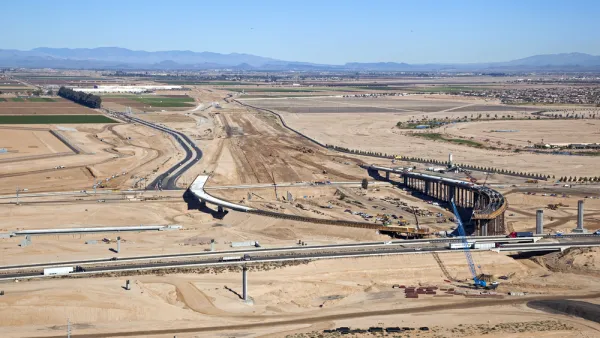
GOP Counterproposal Aims to Restore the Infrastructure Status Quo
Of the $568 billion in spending proposed by the "Republican Roadmap," $299 billion would go to infrastructure for cars.
Biden Pledges Big Greenhouse Gas Emission Reductions
At the "Leaders Summit on Climate" today, President Joe Biden has pledged to reduce greenhouse gas emissions in the United States by 50-52 percent from 2005 levels by the year 2030.
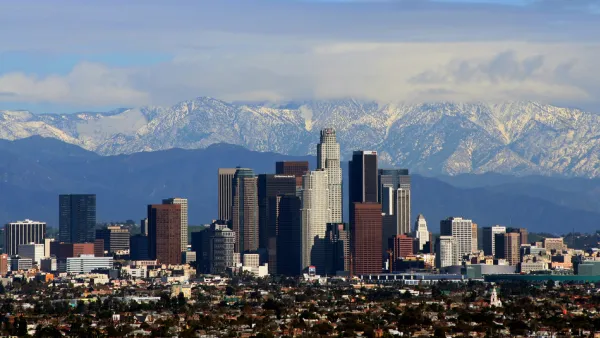
L.A. Mayor Proposes Guaranteed Income Program
The city could give 2,000 families $1,000 a month in what would be the largest program of its kind in the country.
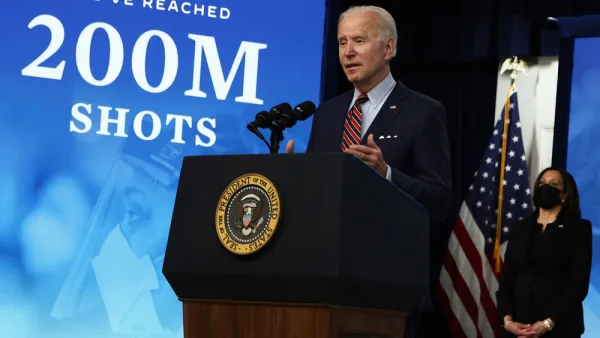
The Pandemic's Next Phase in the U.S.: When Vaccine Supply Exceeds Demand
The 'light at the end of the tunnel' has become brighter after the vaccination rate tripled since President Biden took office. According to an analysis, a vaccination enthusiasm tipping point will be reached in 2-4 weeks that could dim the light.
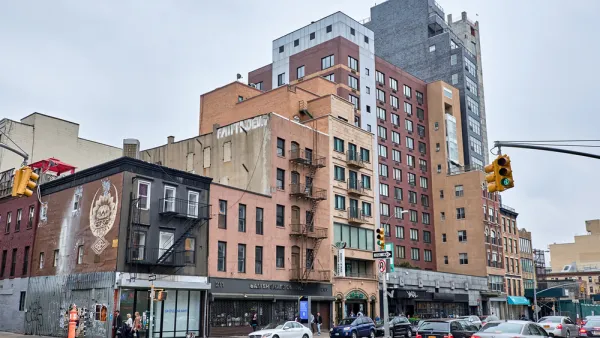
Opinion: Zoning Reform Is a Social Justice Issue
Far from an obscure, wonky local issue, zoning reform has the potential to advance social justice in American cities.
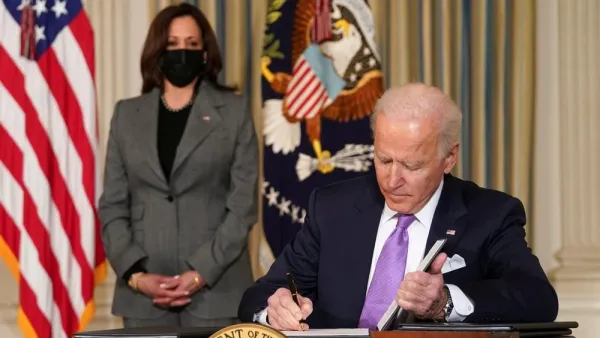
What Planners Need to Know, and Ask, About the American Jobs Plan
The American Planning Association has a breakdown of the massive $2 trillion jobs plan that would change the course of federal infrastructure policy.
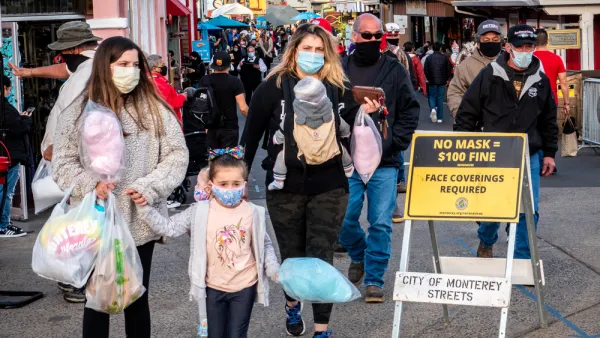
Pandemic to End in California on June 15, Governor Decides
Gov. Gavin Newsom has foreseen the end of the pandemic that has killed over 61,000 Californians and has taken a page from his Republican counterpart in the second most populous state by setting a date when all restrictions will be lifted.
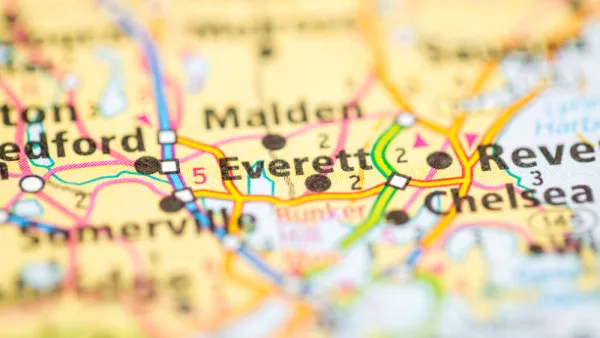
Opinion: Regional Growth Requires Regional Planning
To avoid the pitfalls of disconnected, car-centric suburbs, local governments must proactively plan for sustainable development in growing areas.
Op-ed: How to Separate Truth from BS in Housing Policy
Suddenly everyone and their mother has a housing plan. But not all housing plans are created equal.
Balancing Aesthetics and Affordability
Policies too narrowly focused on design can drive up the cost of construction and prevent the development of affordable housing.

Opinion: Federal Infrastructure Plan Must Prioritize Transit Investment
The Biden administration must combine increased funding with policies that mandate and encourage transit-oriented planning.
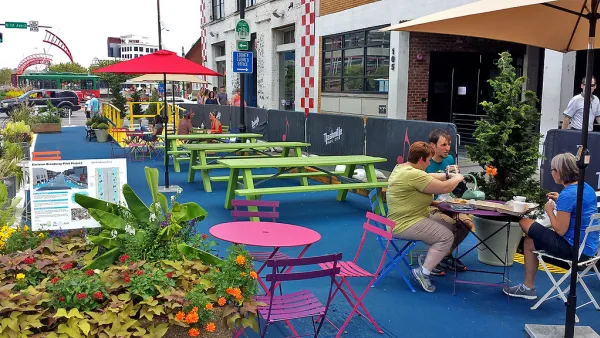
Op-Ed: Don't Reverse the Progress Made by 'Pandemic Streets'
In many cities, the public realm saw a drastic shift towards pedestrian-oriented infrastructure. The L.A. Times editorial board argues we should keep it that way.
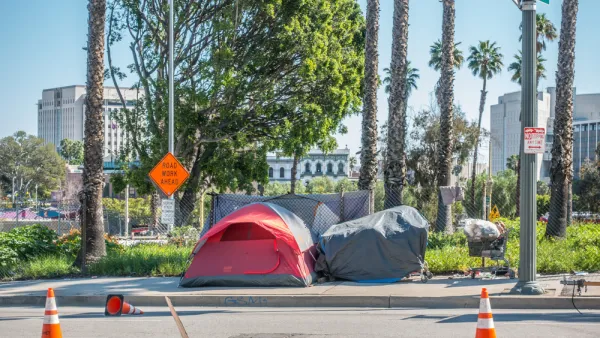
Pre-Fab Tiny Home Village Takes Shape in L.A.
Along with communal showers and bathrooms, the village will also include laundry, storage facilities, and offices for social service providers.
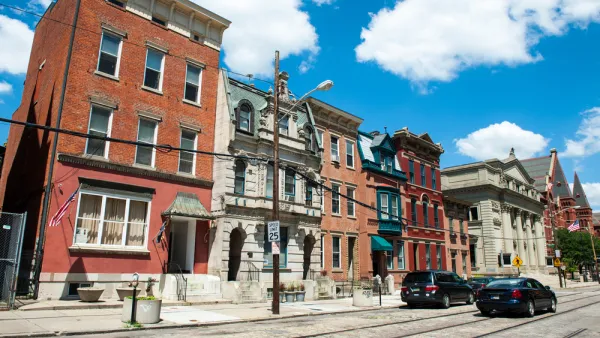
Uneven Redevelopment on Cincinnati's Vine Street
While the southern end of the thoroughfare is seeing rapid redevelopment and gentrification, the northern end has yet to reap any benefits from the nearby projects.
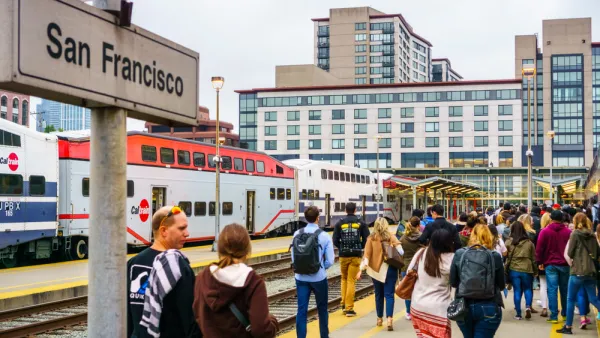
One Rail System to Ring the Bay Area? Supporters See Reasons for Optimism
A plan to integrate the various regional transit providers in the San Francisco Bay Area could be the key to winning back transit riders in the post-pandemic world.

Covid Burnout Causing Mayoral Turnover
A large number of local leaders are leaving office ahead of schedule; many report Covid burnout as the cause of their departure.
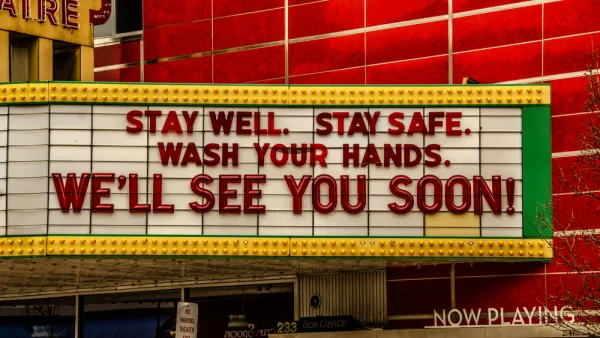
CDC to Gov. Whitmer: Time to Shut Down, Not Surge Vaccines
Michigan is on fire—a coronavirus variant is spreading rapidly among younger people, including children, yet high-risk activities, including youth sports and indoor dining, remain open. CDC Director Walensky addressed the conflagration Monday.
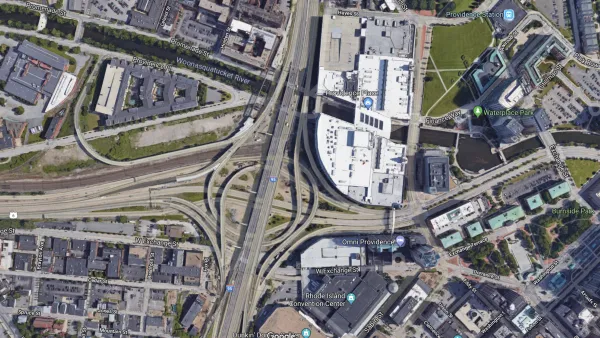
The Foundational Myth of America's Interstate Highway System
The erroneous belief that the negative impacts of interstate highways are simply "unintended consequences" fails to demand accountability for the project's failures.

FREE Course: Walkable City 1: Why Walkability?
After describing his path towards focusing on walkability as the essence of good planning, Jeff Speck marches through his five principal reasons for making more walkable places.
Reinventing Malls: Planning Alchemy—Turning Gray Fields Into Gold
The course focuses on the opportunities and imperatives that shape reinvention of mall sites.

City of Rosemead
Rutgers University, Edward J. Bloustein School of Planning and Public Policy
One Hundred Miles
University of Michigan School for Environment and Sustainability (SEAS)
Hunter College, City University of New York (CUNY)
The Architects Foundation
City of Cambridge
Montrose County
The Pocatello Development Authority









