Government / Politics
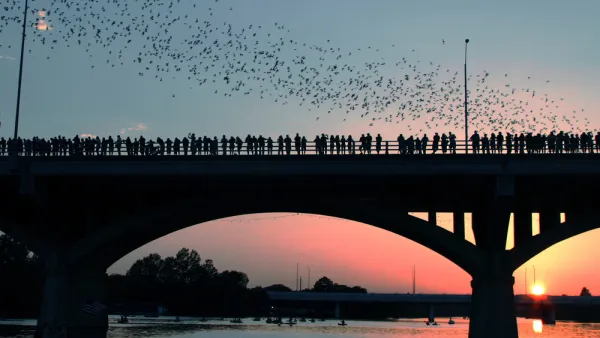
The Big Representation Gap in Austin's Regional Planning
The names and faces occupying decision-making positions in the Capital Area Metropolitan Planning Organization do not reflect the names and faces of the people they are meant to represent.
Editorial: A Compelling Case for a Carbon Tax
With record amounts of gasoline burned by America's passenger vehicle fleet which is increasing composed of light trucks rather than cars, and with Americans driving record distances, The Washington Post argues it's time for a carbon tax.
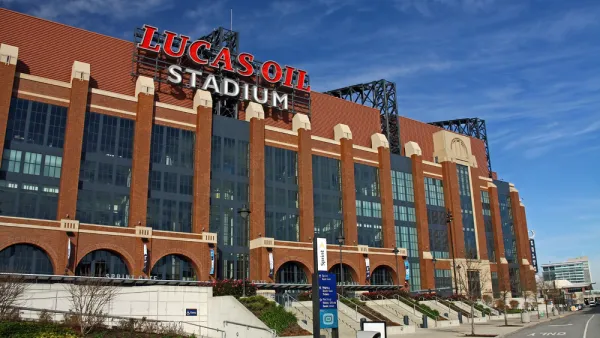
Federal Subsidy for Private Sports Stadiums Since 2000: $3.2 Billion
Are you ready for some football…stadiums to receive massive subsidies from the federal government?
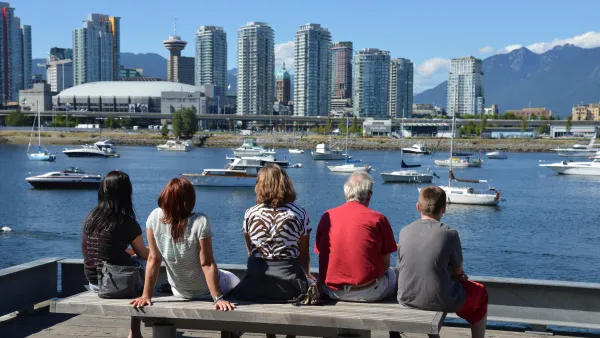
A Twitter Feed that Sings About Placemaking
"My twitter stream is alive with the sound of placemaking," writes Chuck Wolfe. While preparing for this week's Placemaking Week in Vancouver, he explains the importance of PPS-led programming and hopes for various panels, proceedings and events.
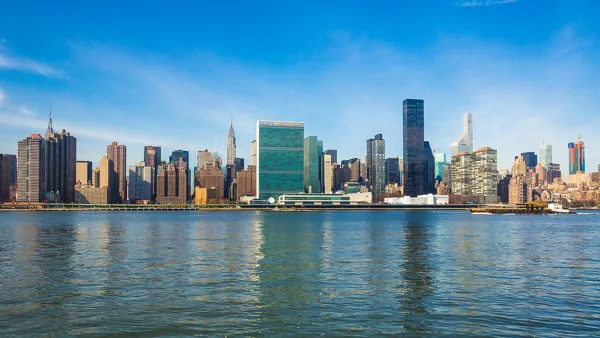
Finally, a Breakthrough for the New Urban Agenda
A marathon negotiation forged the compromises necessary for the New Urban Agenda to be adopted next month at the Habitat III summit in Quito, Ecuador.

High-Speed Rail: What's Good for Texas Is Good for California
It's becoming clear that Texas will beat California to having the first all high-speed train on the continent. Ethan Elkind suggests three ways that success for Texas Central's Dallas-to-Houston line will benefit the struggling California project.

An Emerging Cause for Advocacy: Night Life
"Night mayors" are working in cities around the world to improve relations between city government and the entertainment venues that can define urban living for many residents.
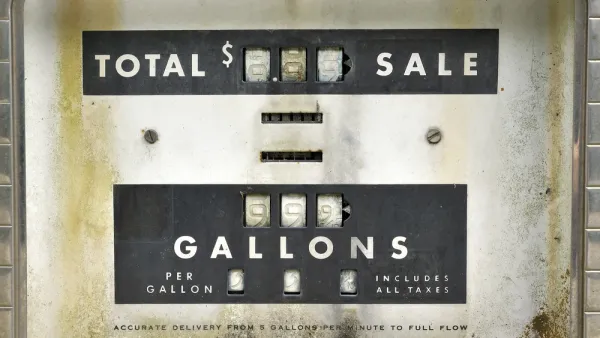
Wouldn't It be Nice if Legislators Were Rewarded for Voting to Increase the Gas Tax?
Surprisingly, legislators are rewarded for supporting new gas taxes: they get reelected, according to a new analysis by the American Road and Transportation Builders Association. What's more, they overwhelmingly hail from red states.
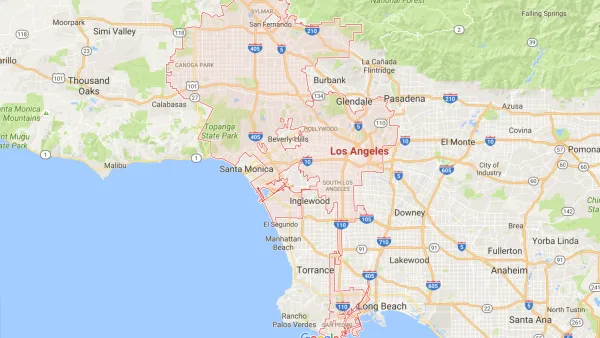
How Well Do You Know Your City's Boundaries?
A new crowdsourced map projects asks people to draw their city limits from memory.

How Community Engagement Can Restore Trust in Government
Trust between the public and government agencies is low, and democracies are paralyzed without it. How can community engagement help restore trust? This post outlines the challenge and a process for solving it.

Urban Growth Boundaries Gone Awry: Protection Without Infill
Joe Mathews of Zócalo Public Square views with a great deal of skepticism the urban growth boundaries the voters of Ventura County adjacent to Los Angeles County have enacted since 1995 due to the lack of infill. Another measure is on the ballot.
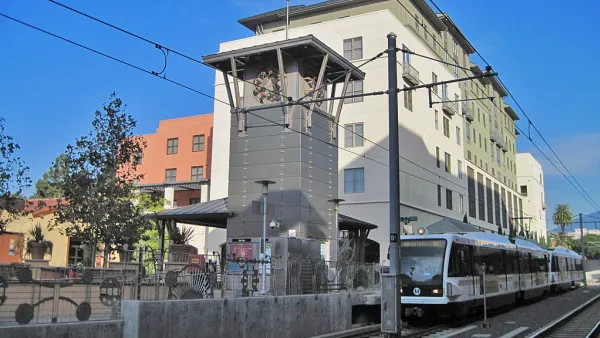
Four Ways L.A. Metro Is Increasing Affordable Housing
A median-income family in the L.A. metro area spends 73 percent of their income on housing and transportation alone. L.A. Metro explains why and how they're taking huge steps to get affordable housing on land they own—where it will do the most good.
About City Gates and Gateways, With a Political Gloss
A year of political obsession with walls along national borders has Chuck Wolfe contemplating city gates of the past and present. Using the foil of proposed border walls, he examines the historic role of city gates, modern gateways, and more.
A New Era for Drone Aviation
New rules for commercial drone aviation went into effect on August 29, clearing the way for rapid adoption of the technology.
Over $14 Million Awarded to Eight Projects to Find Alternatives to Gas Taxes
The U.S. Department of Transportation is funding ways to transition from the gas tax to other user-based revenue mechanisms to fund transportation infrastructure. The federal gas tax hasn't keep pace with transportation expenditures since 2008.

Anti-Fracking Initiatives Fail Before Getting to the Ballot in Colorado
An initiative to prohibit fracking within 2,500 feet of an occupied building and another that would have allowed local governments to ban fracking will no longer be on the ballot in Colorado.
Cap-and-Trade Bill Boosts California's Struggling Biomass Facilities
California's new rigorous renewable portfolio standard of 50 percent by 2030 will support a renewable energy source that serves the dual purpose of reducing forest fire hazards.
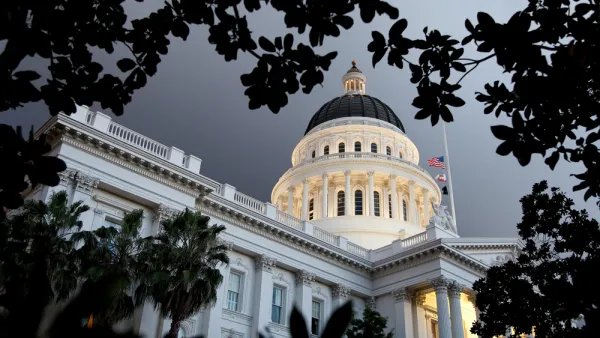
Demographic Changes and Environmental Leadership in Sacramento
It has been a good year for environmentalists, but it hasn't come easily, as seen in the much-celebrated but delayed passage of SB 32 that continues the landmark emissions reductions first set in 2006. Joe Mathews explains the transitions underway.

St. Louis Spent $1.1 Million on Defunct Riverfront Stadium Plans in 2016
The gift of the NFL keeps on giving in St. Louis. What one writer calls a "sad saga" seems far from over.
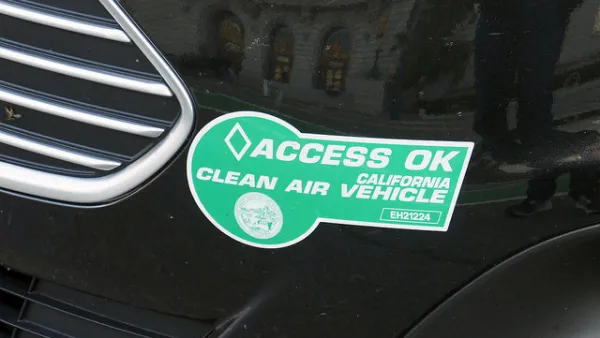
Compromise Reached on $1.4 Billion in California Cap-and-Trade Proceeds
An earlier announcement awarded almost $400 million to transit agencies, but left a larger chunk of these funds still unsettled. On Wednesday, leaders agreed on a $900 million expenditure plan to cut emissions and address social concerns.

FREE Course: Walkable City 1: Why Walkability?
After describing his path towards focusing on walkability as the essence of good planning, Jeff Speck marches through his five principal reasons for making more walkable places.
Reinventing Malls: Planning Alchemy—Turning Gray Fields Into Gold
The course focuses on the opportunities and imperatives that shape reinvention of mall sites.

City of Rosemead
Rutgers University, Edward J. Bloustein School of Planning and Public Policy
One Hundred Miles
University of Michigan School for Environment and Sustainability (SEAS)
Hunter College, City University of New York (CUNY)
The Architects Foundation
City of Cambridge
Montrose County
The Pocatello Development Authority









