With no guaranteed funding for transit, LA should be looking to take as much strain off its Metro system as possible. A vast, interconnected bike network would do just that.


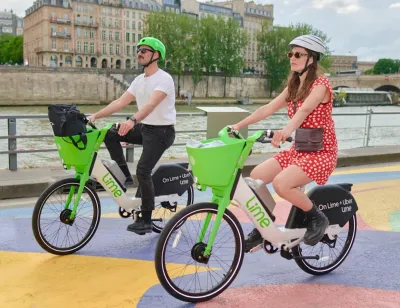
For the past two years, I have worked at and managed a bike shop in Los Angeles. The questions I hear the most from people who just moved in are: Do people actually ride bikes here, and if so, where can I ride them? I answer with a short list of dedicated paths and areas that rarely connect to each other.
Alongside my patron’s discontent, a separate transportation problem is brewing. In September, LA Metro gave the organizers of the Los Angeles 2028 Olympics an ultimatum: Without a federal funding guarantee by the end of the year, the agency said it would not purchase the 1,750 extra buses at the center of LA’s “transit first” Olympic Games plan. So far, no funding has arrived.
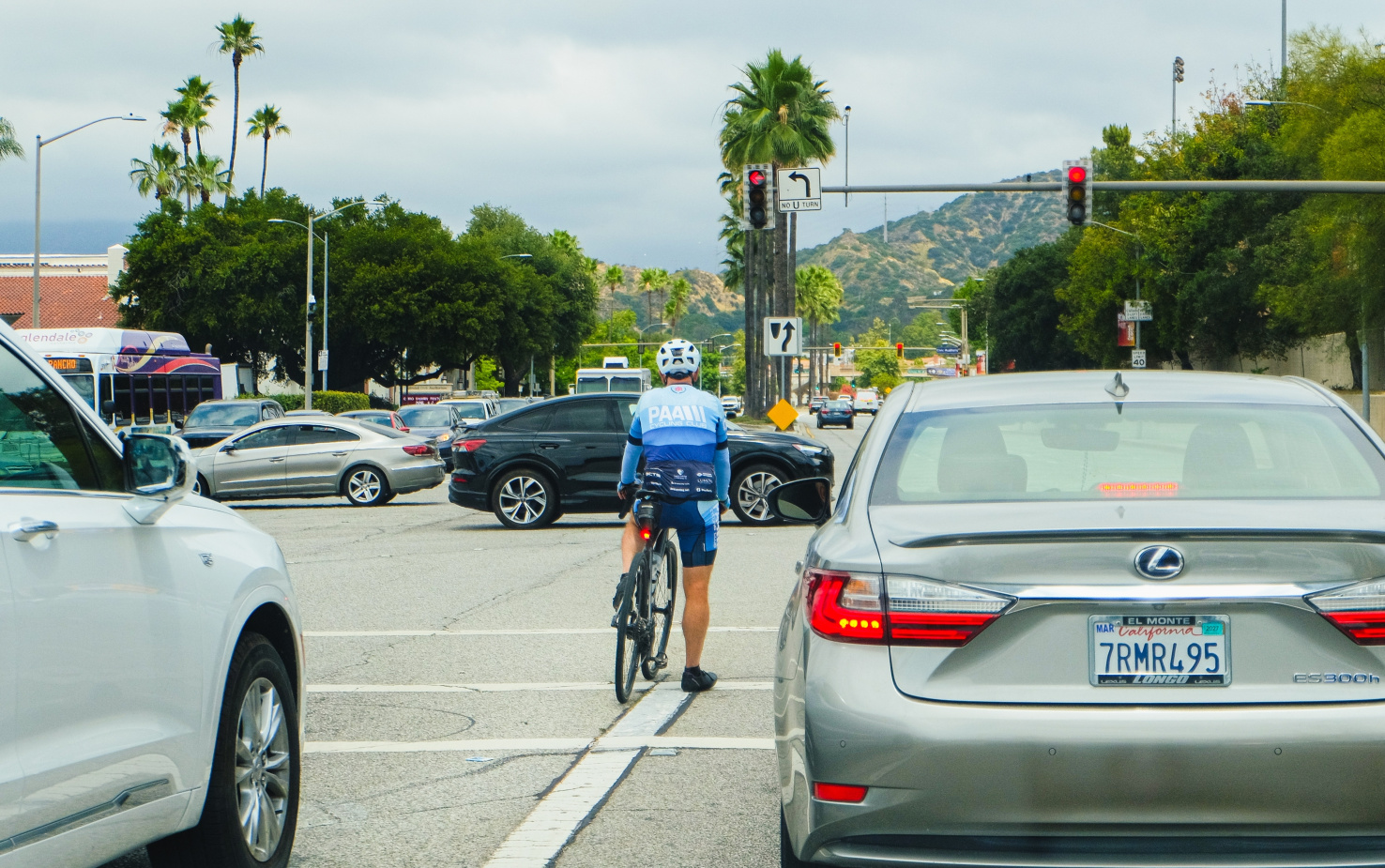
With less than 650 days to go and no concrete plan for moving the 3-5 million expected visitors around the city, Los Angeles should be looking to take as much strain off its Metro system during LA28 as possible. Given that the city is more than ready to embrace cycling, one answer could be to look to Paris’ “first bikeable olympics.” Two years before the opening ceremony Paris had no Olympic bike plan at all. By the time the Games rolled around, Paris had created a robust bike network that not only served Olympic spectators, but continues to move Parisians around the city to this day. If L.A. starts now, it could see the same lasting success.
Paris’ success
Paris’ early transport plans for 2024 only included rail and bus service. Cycling to many of the venues, which were spread out beyond city limits, was unprotected and dangerous as of late 2022. That changed after a coalition of cycling groups staged a demonstration and pressured Mayor Anne Hidalgo to keep her promise of a fully bikeable city.
Paris responded. In about two years, the city added over 34 miles of new protected bike routes, more than 27,000 bike parking spaces, 46,000 rental bikes and made all 35 venues safely accessible by bike. Organizers dubbed it the “first cycling games in history.” About 5% of spectators rode to events.
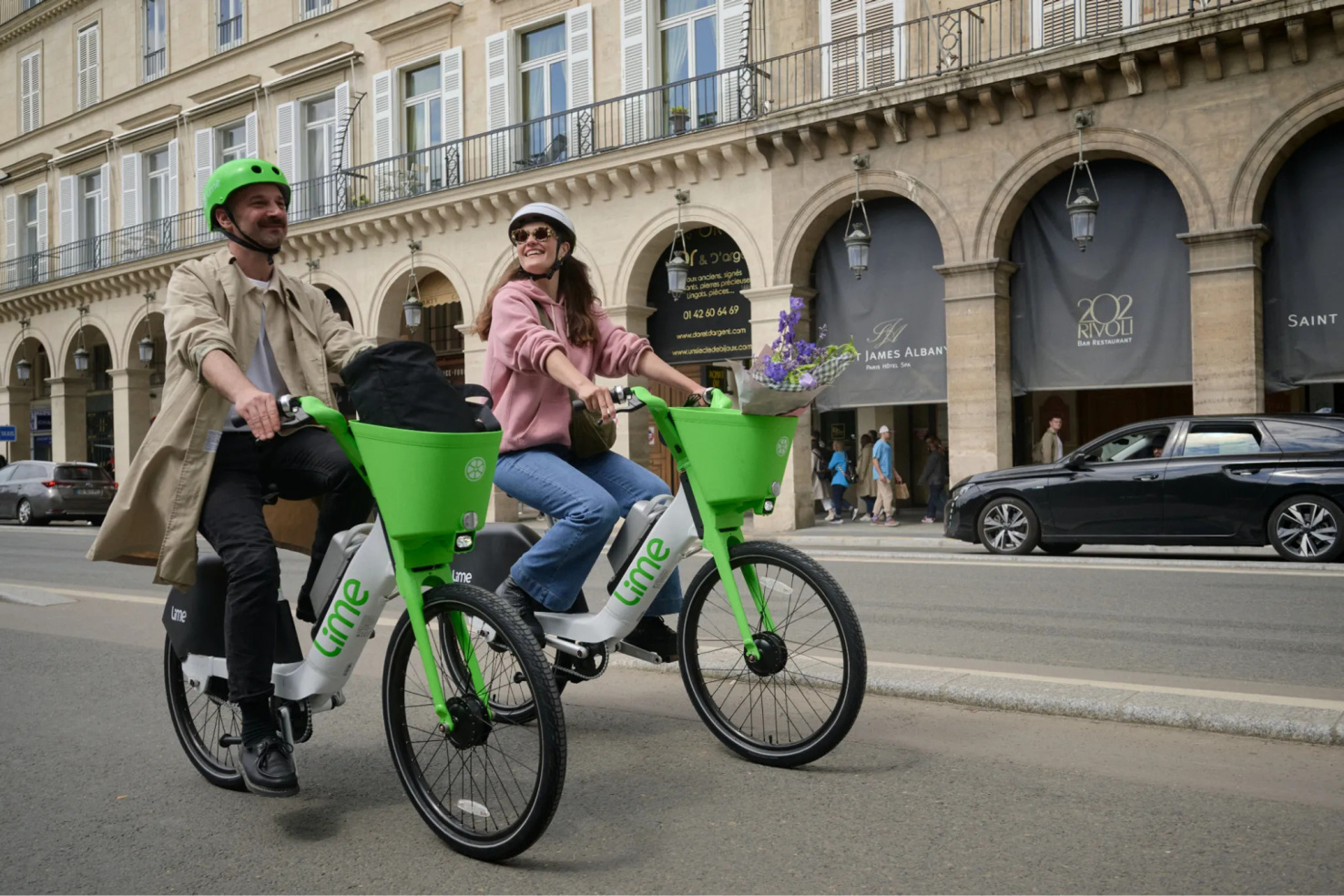
The plans for these bike lanes were not new. Many of the “Olympiste” lanes were already in regional infrastructure plans; the Games just sped up their delivery. The groundwork was set by Plan Vélo, which launched in 2015 with a budget of $290 million.
A 2026 Study, using Lime e-bike trips, found that while routes linking venues lost their surge in the weeks following the Olympics weeks, bike use across Paris’ wider network had increased above pre-Olympic levels. The authors concluded that when event lanes are built into a permanent network, they last.
Los Angeles is ready
Similar to Paris, L.A. residents have spent the last decade begging officials for more bike infrastructure — with limited success. LA’s Mobility Plan 2035, adopted in 2016, maps roughly 260 miles of protected bike lanes and 660 miles of unprotected lanes. Execution has been the problem. By the city's own count, only 22 miles of the protected network had been built by late 2023, along with 285 of unprotected lanes.
In 2024 voters tried to force the issue by passing Measure HLA, which won 65.5% of the vote. HLA requires the city to add the plans for bike, bus and pedestrian upgrades whenever it rebuilds a street. The City Administrative Officers report on the measure called it an unfunded mandate, and the ballot analysis put its cost at $2.5 billion over 10 years. Facing a roughly $1 billion deficit, the city cut the budgets of LADOT and StreetsLA, the two departments that build street safety projects.
The Games have already lit a bike-lane-building fire under Los Angeles officials: two of Metro’s “Twenty-eight by ‘28” initiatives involve bike lane infrastructure, and one is already complete. L.A. officials who support bike infrastructure need to strike while the iron is hot, and use the momentum from the Olympics to secure permanent bike lanes for current and future Angelenos — without letting the projects balloon in cost.
We know how to make a bike-fist Olympics possible
The lesson from Paris is not to build a network from scratch but to finish the ones you have on a deadline. Luckily, L.A. already has h many projects in motion that could be a permanent asset to the city — and PeopleForBikes.org has compiled the top six that will allow L.A. to follow in Paris’ footsteps.
The advocacy group highlights the 5.5 mile Rail to River path through South Los Angeles. The path opened in May 2025 carries about 2,500 cyclists and 4,300 pedestrians per day. It already connects to the Metro K Line and A Line which will service Olympic venues come 2028. The city is already designing its four mile eastern extension to the L.A. River path, one of the city's busiest bikeways. A completed trail is within reach, and would be an asset to Angelenos during and after the games.
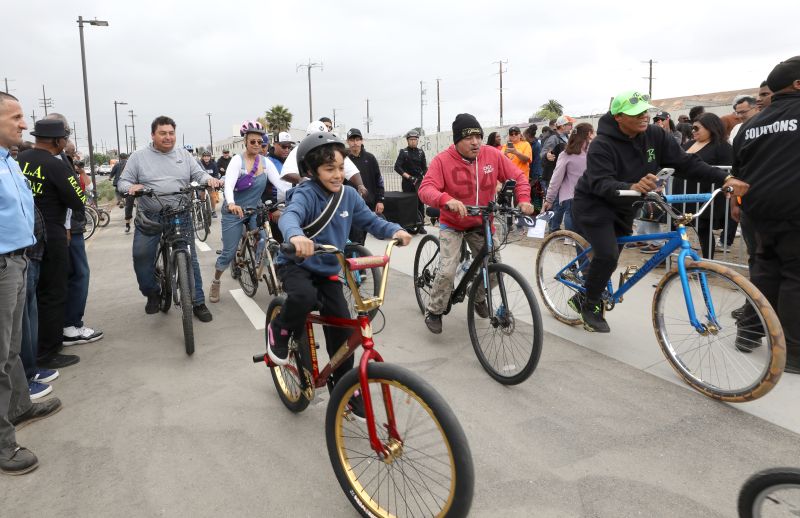
There is also the San Gabriel Valley Greenway Network plan, initiated in 2017, which would add 130 miles of bike paths and trails through the San Gabriel Valley. The project would make Olympic venues in the area far more accessible by bike, and keep the region connected for years to come.
Finally, the Festival Trail is a grassroots proposal to stitch together existing and planned projects into car free corridors between Olympic venues. The plan calls for a bikeway linking the LAX People Mover, the K-Line and the Vermont BRT, connecting Inglewood Transit Corridor, SoFi Stadium, and Destination Crenshaw to USC’s Galen Center and the Coliseum. This plan is L.A’s answer to the “Olympistes”.
Paris en Selle, the group behind the push for bike infrastructure in Paris, set the blueprint for independent advocacy groups such as Festival Trail and People For Bikes to have an impact on Olympic planning. Los Angeles has residents eager for bikes, plenty of bike infrastructure projects already started and, in the Festival Trail, a detailed plan for creating a bike-accessible Games. All that is missing is a city agency and a budget line.
If not now, when?
While bikes will not carry the majority of Games attendees, with no federal funding currently promised for transit, even taking 5% of spectators off L.A. Metro would make a difference. The key for L.A. is to choose to invest in permanent infrastructure like bike lanes, versus spending millions of dollars so Metro can rent and store temporary buses. Fueled by the Games, Paris showed how much good it could bring its citizens in 24 months. It's time to see what L.A. can do in 21.


California lawmakers approve just 5% of much-needed LA28 transportation funding
State legislators appear just as unwilling as Trump to pay for Olympics-related transportation projects.
LA Metro’s ultimatum: no extra buses for LA28 if federal funding isn’t imminently secured
If Metro does not provide additional buses, LA28 organizers will have to find a new way to manage Olympic traffic. LA28’s budget does not include a line item for transit.
Paris Plans to Become a '100 Percent Cyclable' City
Mayor Anne Hidalgo continues her commitment to making Paris more bikeable with a new plan that will improve bike parking and facilities in the French capital.

Planetizen Federal Action Tracker
A weekly monitor of how Trump’s orders and actions are impacting planners and planning in America.

California plans to bury El Niño’s downpour
If the state plays its cards right, it may be able to store a billion acre-feet of El Niño’s water in aquifers.

Desperate measures: Advocates weigh draining Lake Powell to fill Colorado River
Draining the reservoir could reduce evaporation losses by a couple hundred thousand acre-feet.

In Texas, data centers are swallowing promised parkland
Residents who moved to Taylor, Texas for a rural community now have to contend with three data centers in their backyard.

How a Chicago-sized wind farm beat the odds and powered on
The project spanned five presidential administrations and a standoff with a U.S. military base.

MTA gives itself 30 days to transform pit into basketball court
The site has been under construction since 2022; the city originally estimated it would finish the court in 2024.

FREE Course: Walkable City 1: Why Walkability?
After describing his path towards focusing on walkability as the essence of good planning, Jeff Speck marches through his five principal reasons for making more walkable places.
Reinventing Malls: Planning Alchemy—Turning Gray Fields Into Gold
The course focuses on the opportunities and imperatives that shape reinvention of mall sites.

City of Rosemead
Rutgers University, Edward J. Bloustein School of Planning and Public Policy
One Hundred Miles
Hunter College, City University of New York (CUNY)
The Architects Foundation
University of Cincinnati Online
City of Cambridge
Montrose County
The Pocatello Development Authority

