Why the strongest resilience investments solve more than one problem at once.



Two neighborhoods can face the same flood and the same heat wave in the same year, and only one of them will have simultaneously planned for both.
For years, public institutions organized their work around individual hazards. Flooding was assigned to stormwater departments. Extreme heat was treated as a public health concern. Infrastructure planning followed its own capital cycle. Emergency management prepared for the event itself.
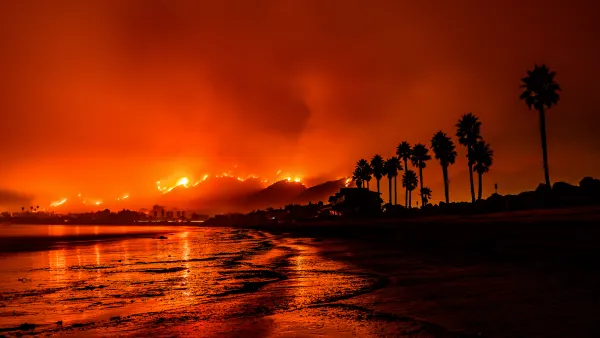
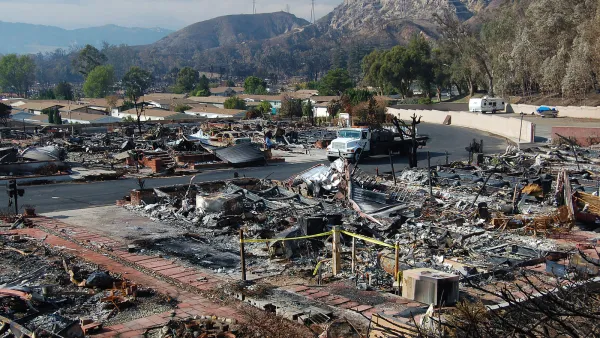
Climate change, unfortunately, is not considerate enough to arrive one department at a time. The same neighborhood can be exposed to many different hazard impacts — residents may watch a flood from an extreme precipitation event destroying their property, sweat through a straining grid during a heat wave and choke at poor air quality from wildfire smoke all in the same year. And yet, funding and responsibility for each of those problems typically stay divided across separate agencies, budgets and grant cycles.
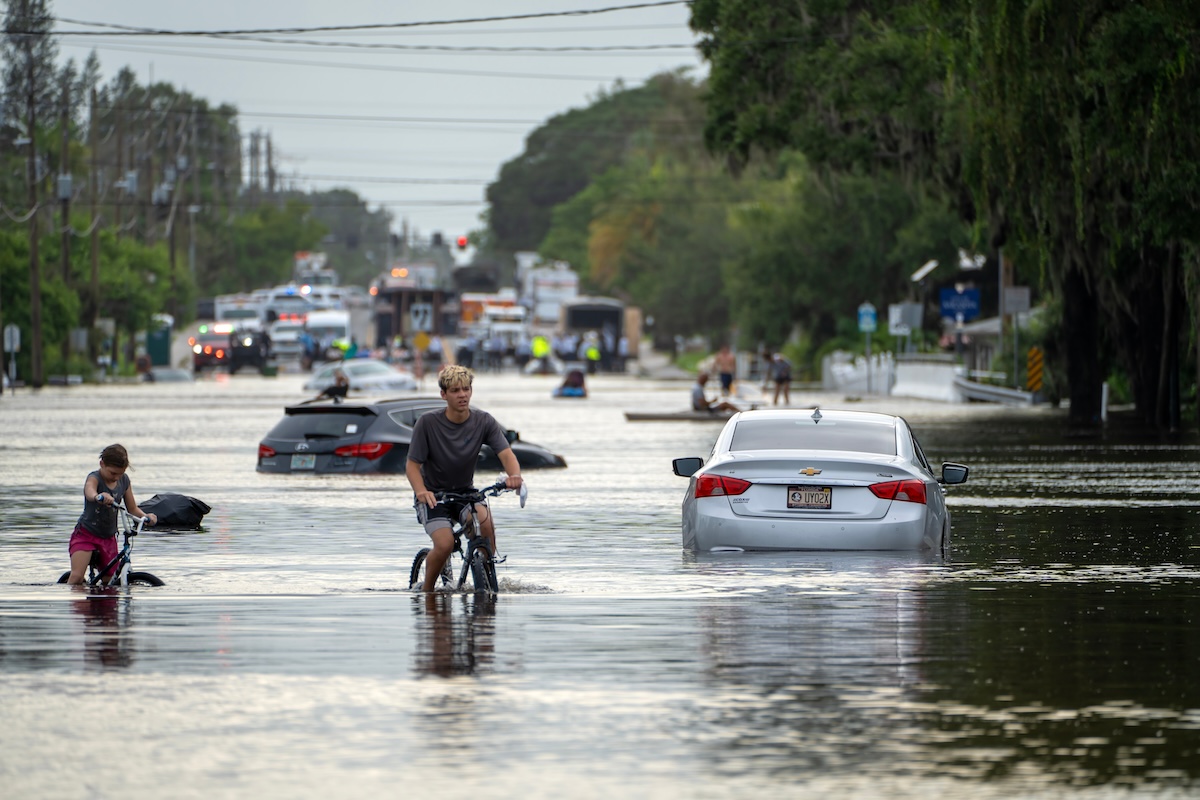
On the hottest afternoon of the year, the most valuable piece of neighborhood infrastructure may not look heroic. It might be a school with deep shade, a clean-air room, reliable backup power, accessible cooling, and grounds redesigned to absorb a cloudburst. That is where climate resilience is heading: not toward a longer catalog of stand-alone projects, but toward smarter investments that do more than one job.
The strategic question for local governments is no longer whether to prepare for climate risk. It is whether each investment addresses one exposure or strengthens resilience across several at once.
From hazard planning to systems planning
Climate resilience becomes more effective when leaders examine how hazards overlap before they select a project, not after.
A rain garden can reduce stormwater runoff and create a cooler streetscape. A vacant parcel acquired to reduce flood exposure can become shaded public space. A permeable alley can manage rainfall while storing less heat than the pavement it replaces. A schoolyard redesign can improve drainage and create a safer outdoor environment for children.
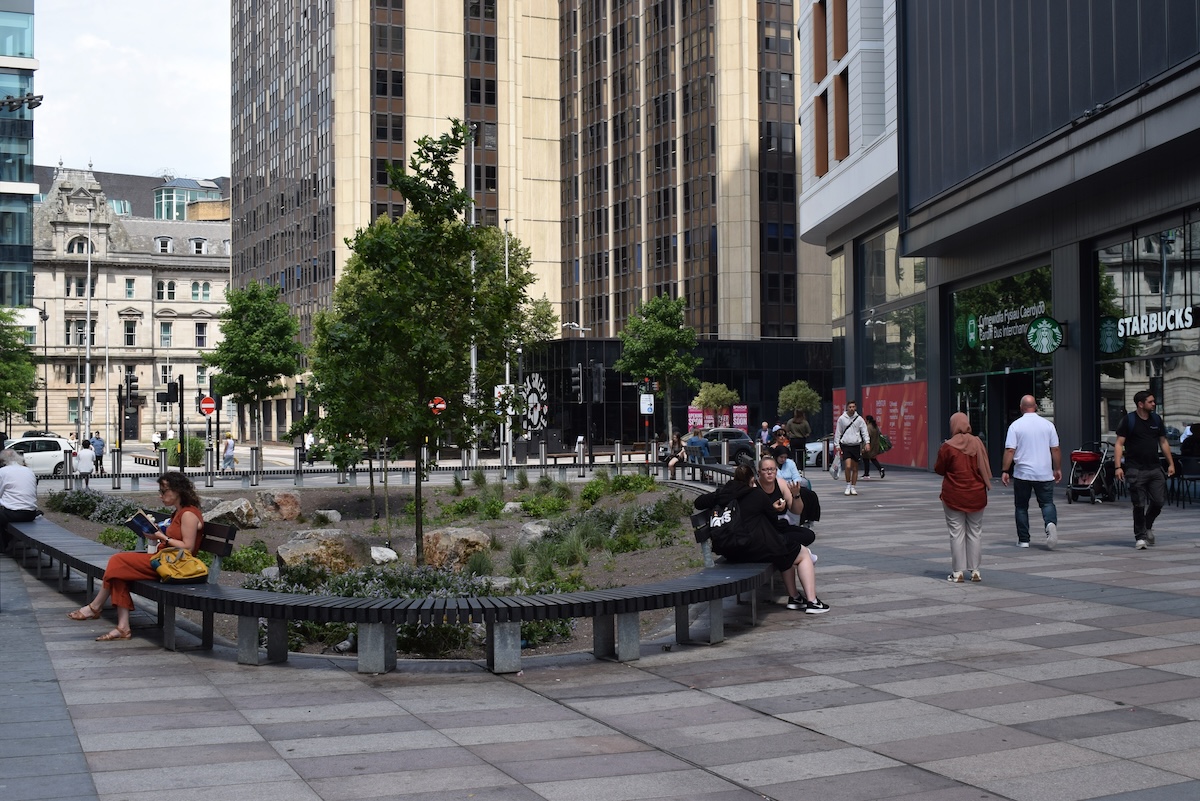
These are applications of green infrastructure, which the U.S. Environmental Protection Agency has documented for its ability to deliver more than one environmental benefit from the same investment.
Green infrastructure does not represent new engineering ideas, but rather an evolved decision process behind infrastructure investments. This is the core of multi-benefit resilience: public investments should be evaluated for the full range of risks they reduce and the capacity they build for future response, not just the single hazard that funded them. Such a strategy takes more than adding a list of co-benefits to a grant application after the fact: it takes a different decision process from the start.
Start with risk — then look for assets
Most resilience planning begins by mapping what can go wrong. While that is essential, it is also incomplete. Risk maps tell us where trouble may land. Asset maps tell us what a community can mobilize when it does.
In my current work with state and Tribal partners in Wisconsin, one of the most useful shifts has been to look not only at vulnerability, but at resilience assets: trusted institutions, public facilities, local knowledge, relationships, response capabilities and natural systems that can be activated in a crisis. A library with cooling and clean-air capacity is more than a building. A wetland is more than open land. A community organization with trusted messengers is more than a name on a stakeholder list.

This does not replace hazard analysis. It makes the analysis actionable. Tools such as the CDC/ATSDR Social Vulnerability Index can help reveal where physical exposure overlaps with age, income constraints, housing conditions, transportation access, and other factors. But the map is not the strategy. The strategy begins when leaders connect those conditions to places, partners, and investments that can change the outcome.
A practical resilience framework
Local governments can test whether a climate investment creates broader value by asking four questions.
1. What risks overlap? Flood, heat, air quality, water quality and infrastructure vulnerability are usually mapped separately. Looking at one layer at a time can hide the neighborhoods where risks compound. A combined vulnerability map helps decision-makers see where physical exposure overlaps with income constraints, older housing or limited tree canopy. The map is not the strategy. It is the starting point for making better choices.
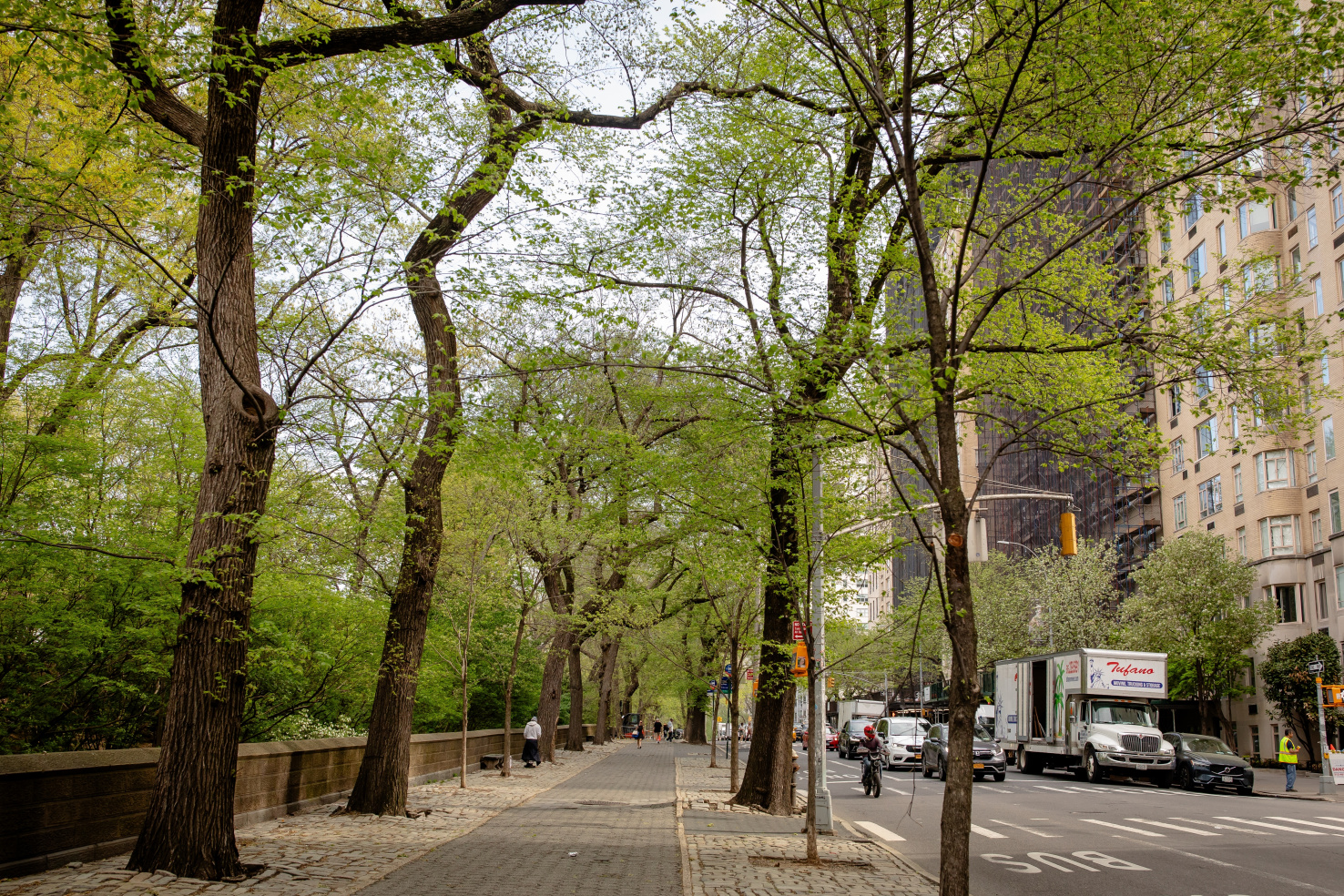
2. Can one project serve more than one function? Nature-based solutions, cool surfaces, shade infrastructure, green roofs and permeable pavement can support both flood management and heat reduction when they are designed for the local context, an approach the EPA outlines in its guidance on reducing heat islands. The strongest projects also improve access to public space or support neighborhood economic activity. This strategy stretches limited capital rather than treating resilience as a collection of unrelated programs.
3. Where is implementation capacity weakest? Many communities understand their risks but lack the staff time, engineering support or procurement experience required to move from a plan to construction. That gap can determine which communities receive investment, a challenge the Government Accountability Office has documented among smaller utilities and municipalities working to prepare for climate impacts. A regional or county-level technical assistance model can help smaller municipalities prepare competitive applications and coordinate partners. Without these tools, available funding tends to flow toward communities that already have the capacity to compete.
4. How will results be measured? A resilience project needs a measurement plan before construction begins. Measures may include stormwater captured, structures protected, surface temperature reduced, tree canopy added or households reached. The right indicators depend on the project and the community. Measurement also helps leaders explain why resilience investments matter to residents, budget officials and elected representatives.
Resilience is also an economic strategy
The value of a resilience investment does not stop at avoided damage. Extreme heat affects worker health and productivity. Flooding interrupts small businesses and local supply chains. Power outages close pharmacies, groceries and childcare centers precisely when people need them most. Shade, cooling, cleaner air, resilient energy, drainage and business continuity are not separate agendas. Together, they determine whether a place can function under stress and keep growing over time.
The same broader thinking can reach across generations. In Ahmedabad, India, a Vision 2070 initiative we are working on is bringing cultural heritage and climate resilience into the same long-term conversation. That is an unusually ambitious frame: protect what gives a city its identity while preparing it to thrive under conditions its historic fabric was never designed to face. Heritage is not treated as an obstacle to resilience, nor resilience as a threat to heritage. The challenge is to make each strengthen the other.

Whether the horizon is the next budget cycle or the year 2070, the discipline is the same: connect hazards to assets, plans to projects and public investment to the multiple outcomes communities need.
A broader discipline
Climate strategy is often described as a technical discipline; It is also an organizational one. An implementable climate strategy means turning research into decisions agencies can act on and helping leaders choose investments that hold up as conditions keep changing, while acknowledging the budget limits and staffing constraints that shape what is actually possible.
The next generation of climate resilience will belong to institutions that can connect hazard data to funding decisions and translate both into delivery on the ground.
The question for local government leaders is simple: when the next resilience dollar is invested, how many risks will it reduce and how many community priorities will it advance?
—
Joyce Coffee is the founder and president of Climate Resilience Consulting.

How US Cities Can Prepare for Climate Disasters
Resilience, encompassing infrastructure, governance, economic strength, and social cohesion, is critical for cities to mitigate rising climate risks like flooding, wildfires, and heat, ensuring long-term recovery and adaptability.
Urban Design for Addressing Climate Resilience
Cities around the world are finding ways to protect their residents and infrastructure from the impacts of extreme weather and natural disasters.
U.S. Communities Increasingly at Risk of Extreme Weather Events
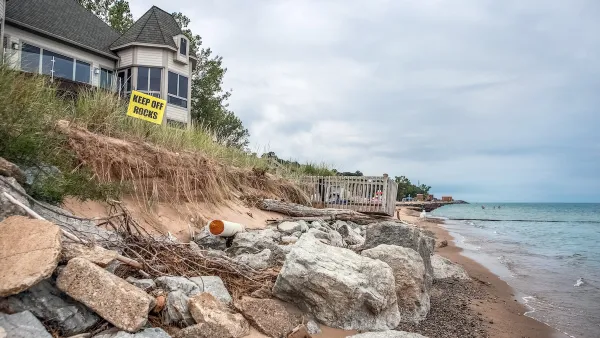
As development pushes into more wildfire-prone areas and climate change makes extreme weather conditions more common, more Americans are experiencing the destructive impacts of climate disasters.

Planetizen Federal Action Tracker
A weekly monitor of how Trump’s orders and actions are impacting planners and planning in America.

‘Going backwards:’ Baltimore mayor, students rally against state's transit funding plan
Maryland's proposed six-year plan provides no funding for Baltimore’s BMORE bus program and reduces its road maintenance funding.

Detroit to transform waterfront with $2.2 billion investment
Developers will convert about 18 acres of unused parking lot space into civic spaces.

Boston spent $765 million to lease battery-powered trains
The trains will serve Boston’s Fairmount Line for fifteen years.

NYC may expand key reservoir after devastating drought
The aqueduct that carries water from the reservoir to New York City has been leaking 35 million gallons of water per day since the 1990s.

Less housing, wasted money: study reveals impact of city parking mandates
The study found that 71% of carless households in the United States pay for a parking space they don’t use.

FREE Course: Walkable City 1: Why Walkability?
After describing his path towards focusing on walkability as the essence of good planning, Jeff Speck marches through his five principal reasons for making more walkable places.
Reinventing Malls: Planning Alchemy—Turning Gray Fields Into Gold
The course focuses on the opportunities and imperatives that shape reinvention of mall sites.

One Hundred Miles
County of Mendocino
planning NEXT
The Architects Foundation
University of Cincinnati Online
Montrose County
Northern Illinois Transit Authority (NITA)
The Pocatello Development Authority

