When the barrier to entry drops to zero, magic can happen.


This is the first in a new Planetizen series called Fisticuffs, where planners go head to head and make their case for or against the most polarizing topics in planning. This month, Chicago-based transit planner Joshua Woods and Vancouver-based planner and transit riders advocate Denis Agar face off on fare-free transit. Check out the AGAINST side of this debate that ran earlier this week. Have an idea for a future Fisticuffs topic? Email us at [email protected].
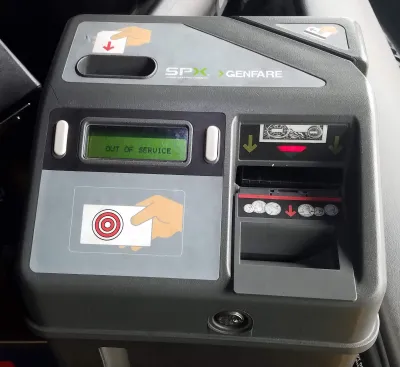
Think about the last transit trip you took. If it was on a bus, you probably meandered out to the bus stop, and after a while the bus showed up. It opened its doors, you paid your fare and you found your seat. If it was on a train, the order of operations was probably slightly different, but the gist was the same. You showed up, you paid and you boarded. After finding your preferred seat (or an available spot to stand) and settling in for the ride, you might have found your mind wandering. What is this outfit the guy next to me is wearing? That person’s reading the same Albert Camus book I just finished! I wonder what they think about it? What fresh hell is awaiting me in this client meeting today? How can my $2 possibly cover the cost of running this great big old bus?
Unfortunately, I can’t offer any guidance on the first few questions (unless the book is "The Stranger," and I’m the person). Fortunately, the answer to the last one is knowable via the National Transit Database.
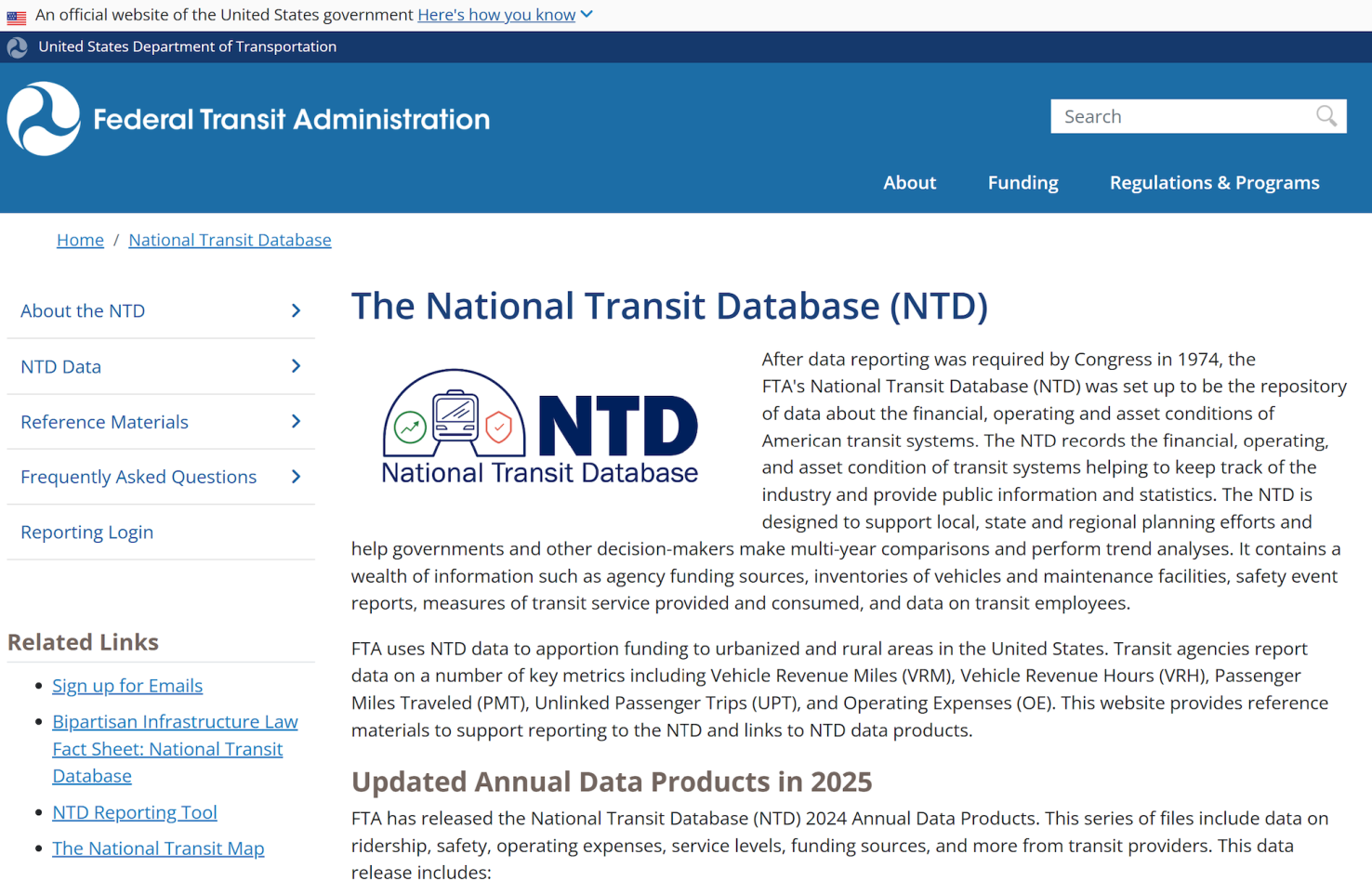
Among other datasets, the NTD collects data on the fares collected by every US transit authority, as well as each agency’s annual operating cost. Dividing fares collected by operating expense gives you the farebox recovery ratio for a transit service.
Farebox Recovery Ratio - (Fares Collected / Annual Operating Expense). The share of a transit service’s operating expenses covered by passenger fares.
If you calculated a combined farebox recovery ratio for every transit authority¹ that carries over 1M passengers annually, what do you think it would be?
National Farebox Recovery Ratio?
- 30%
- 50%
- 90%
- 120%
Trick question! If you calculated that national farebox recovery ratio, you’d find that fares covered about 18% of total operating costs in 2024, down from 32% in 2019. Put differently, 82% of the cost of running transit service in these places was covered by something other than fares — mostly public subsidy.
Now, that 18% figure masks quite a bit of variability from place to place. If the transit trip you recalled earlier was in…
- …Gainesville, FL, your fare helped to cover 54% of the total operating expense in 2024, down from 57% in 2019.
- …Chicago, IL, your fare helped to cover 19% of operating expenses, down from 41% in 2019.
- …Dallas, TX, your fare helped to cover 6% of operating expenses, down from 12% in 2019.
Although it may be tempting to read this as an indictment of public transit as an inefficient use of public funds, that view glosses over one relevant detail. Transportation is a famously high overhead, low-margin industry.²
The combination of significant upfront capital costs (buying a bus), labor costs, volatility in fuel costs, recurring maintenance expenses, high insurance premiums (required to carry 50+ human lives at a time) and whatever federal, state and local regulatory requirements the operator must comply with mean it’s expensive to keep a bus on the road, even for a private operator. Pair this high overhead cost with public transit’s mandate to offer an affordable transportation option, and suddenly these low farebox recovery ratios sound less like negligence, and more like a natural outcome.
This begs the question, if fares don’t contribute significantly to covering the cost of transit service, then what is the point of the fare?
🚧 Fare as a barrier to entry
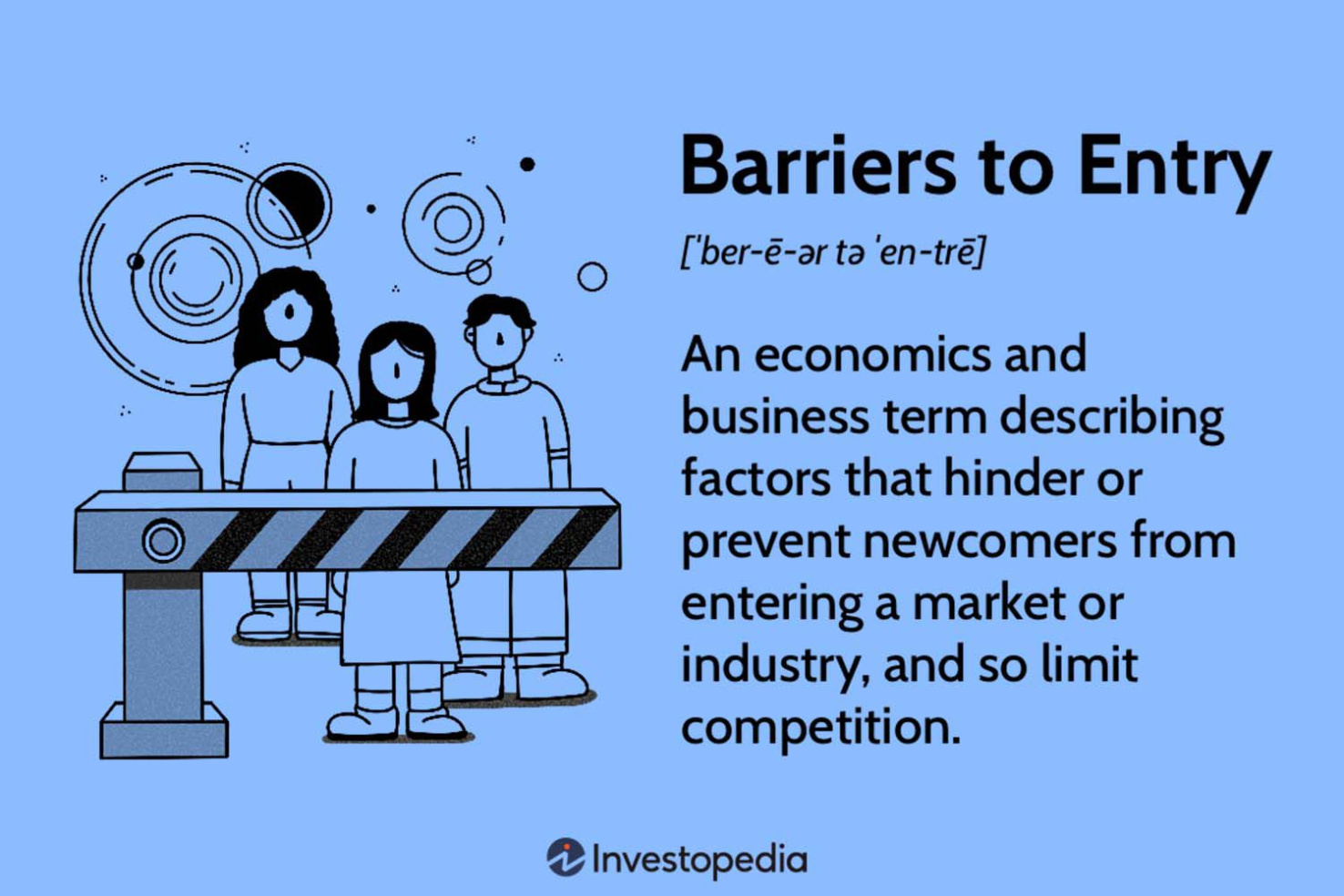
In business and economics, a barrier to entry is anything that obstructs new players from entering a market. High barriers to entry make it more difficult to break into a market, while low barriers to entry make it less difficult. Similarly, fare acts as a barrier to entry to transit service. Anybody that wants to ride the bus or train, first must pay the fare. At a basic level, the barrier presented by fares can act as a powerful tool for filtering out antisocial behavior on transit. However, there are plenty of circumstances where lowering that barrier to entry, particularly for specific subsets of riders, can reap boons for the transit network.
While I was in college, Purdue University had an agreement with the local transit authority allowing students and faculty to ride buses free.³ This lowered transit’s financial barrier to entry to zero for the over 60k students and faculty commuting to, from and around campus. As a result, the busiest routes in the system were the ones serving Purdue’s campus, and the higher overall system productivity allowed the agency to tap into federal Small Transit Intensive Cities (STIC) funding.
CityBus also had a program that allowed students in grades 7-12 to purchase an annual pass for $2, lowering the financial barrier to entry to basically zero. The benefit of this program (beyond combatting the dreaded school pickup line), were the potential lifelong transit riders it created.
Notably, both of these programs replaced transit’s financial barrier to entry with an administrative barrier. Purdue students had to show a valid Purdue ID, and 7-12 graders had to verify their enrollment in person.⁴ Preserving the administrative barrier made the most sense to make these deals work. However, are there situations where dropping the barrier to entry to zero might make sense?
💸The case for fare-free transit
Fare free transit is the ultimate lowering of transit’s barrier to entry. Any transit curious person can give the bus a try without fighting whatever proprietary fare system their local transit authority uses, and existing transit riders will probably ride the bus more. That’s why this policy, based in populism, is so… (wait for it)… popular.

When the barrier drops to zero, and any transit-curious person can wander onto the bus or train, it becomes all the more important that the transit service they find represents Good Transit. Otherwise, their first transit trip may very well be their last.

With that in mind, I can think of at least two cases where fare free transit can make sense.
Case #1: When promoting circulation or economic development is the point of the service (explicitly)
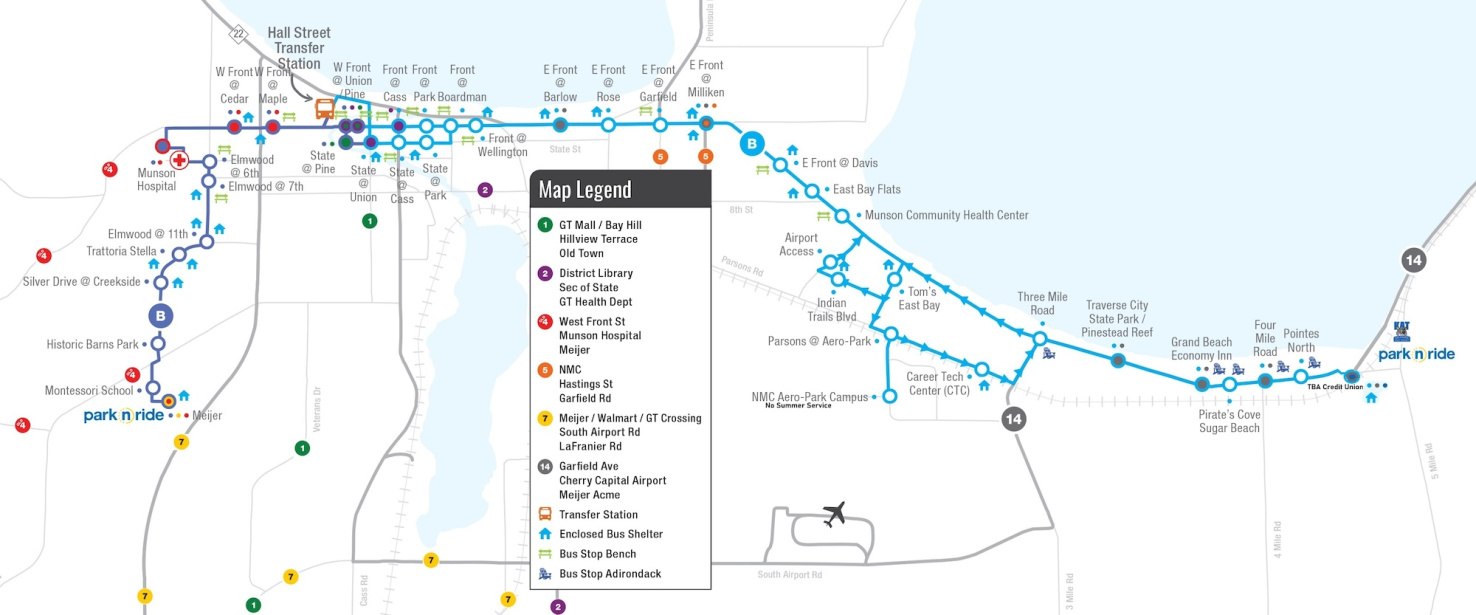
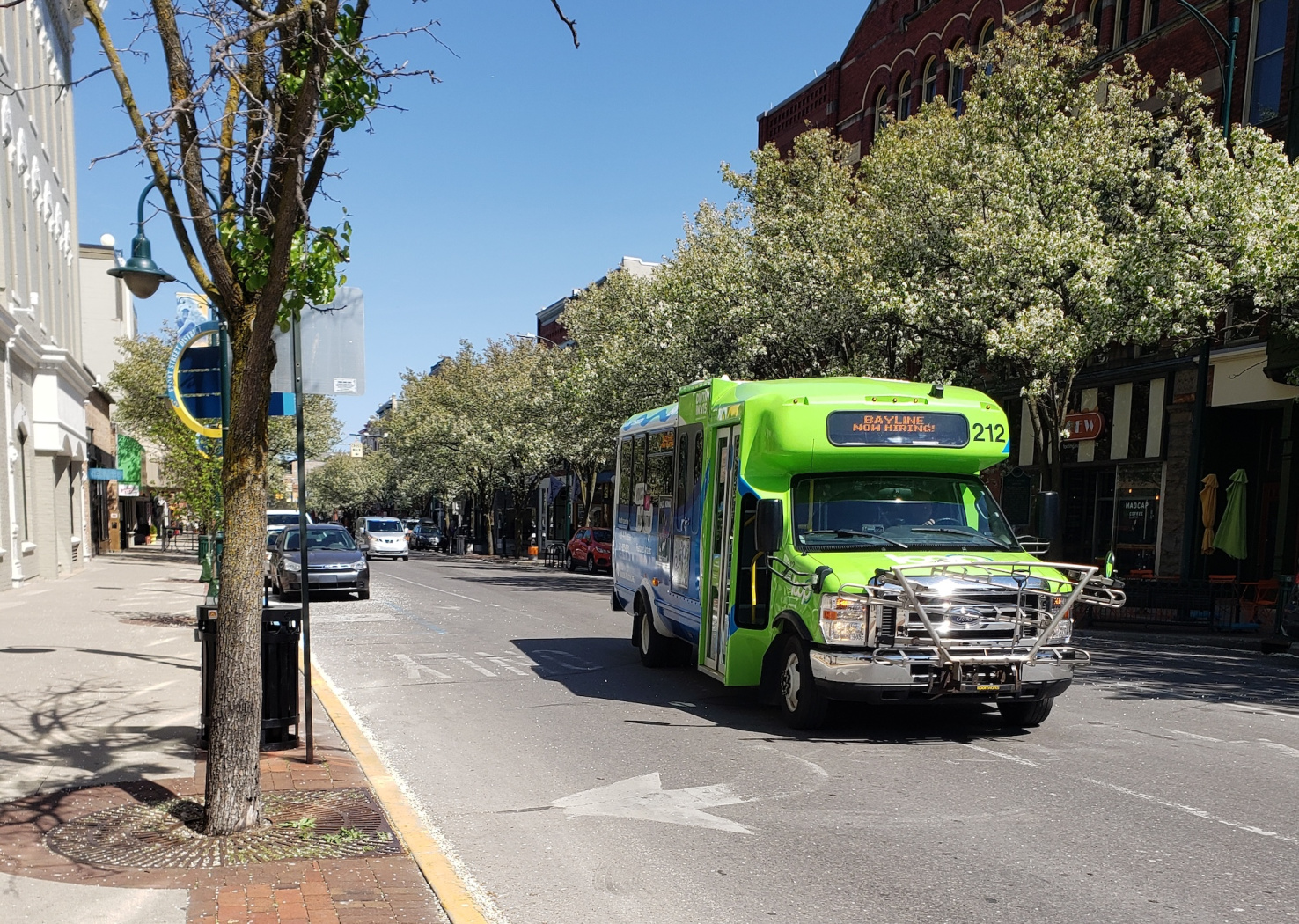
It’s not uncommon for transit authorities, municipalities or local chambers of commerce to operate shuttles around tourist oriented destinations, or town centers. The Bayline in Traverse City, Michigan, and the Explore Elmhurst Trolley in Elmhurst, Illinois are great examples of this. Traverse City’s population quintuples in the summer, primarily driven by tourism. The free Bayline runs daily, every 15 minutes, and connects outlying hotels and destinations to Traverse City’s (super cute) downtown.
In Elmhurst, the trolley is offered as an amenity to village residents and as an enticement for tourists passing through to linger (and spend money) in the village.

In both cases, the place operating the service expects to capture the value elsewhere, and asking people to pay a fare risks nudging them off the service altogether.
Case #2: When there are a lot of people that need to get moved
Regular transit service that is very productive can get here too, but I’m talking about special event service.
Ravinia is an outdoor performance venue about 20 miles north of Chicago in Highland Park, Illinois. On most Ravinia concert days, Pace Suburban Bus operates the 475-Ravinia Festival Direct, shuttling passengers between the festival grounds and the off-site parking. After concerts, they send those buses out full without squabbling about fares because the goal is to move a lot of people as quickly as possible, a task that a bus is uniquely well suited to accomplish.
SeatGeek Stadium is another venue, located in the southwest Chicago suburb of Bridgeview, Illinois. In addition to hosting MLS games, SeatGeek Stadium hosts multi-day music festivals. After each festival, the rideshare lot is an absolute mess.
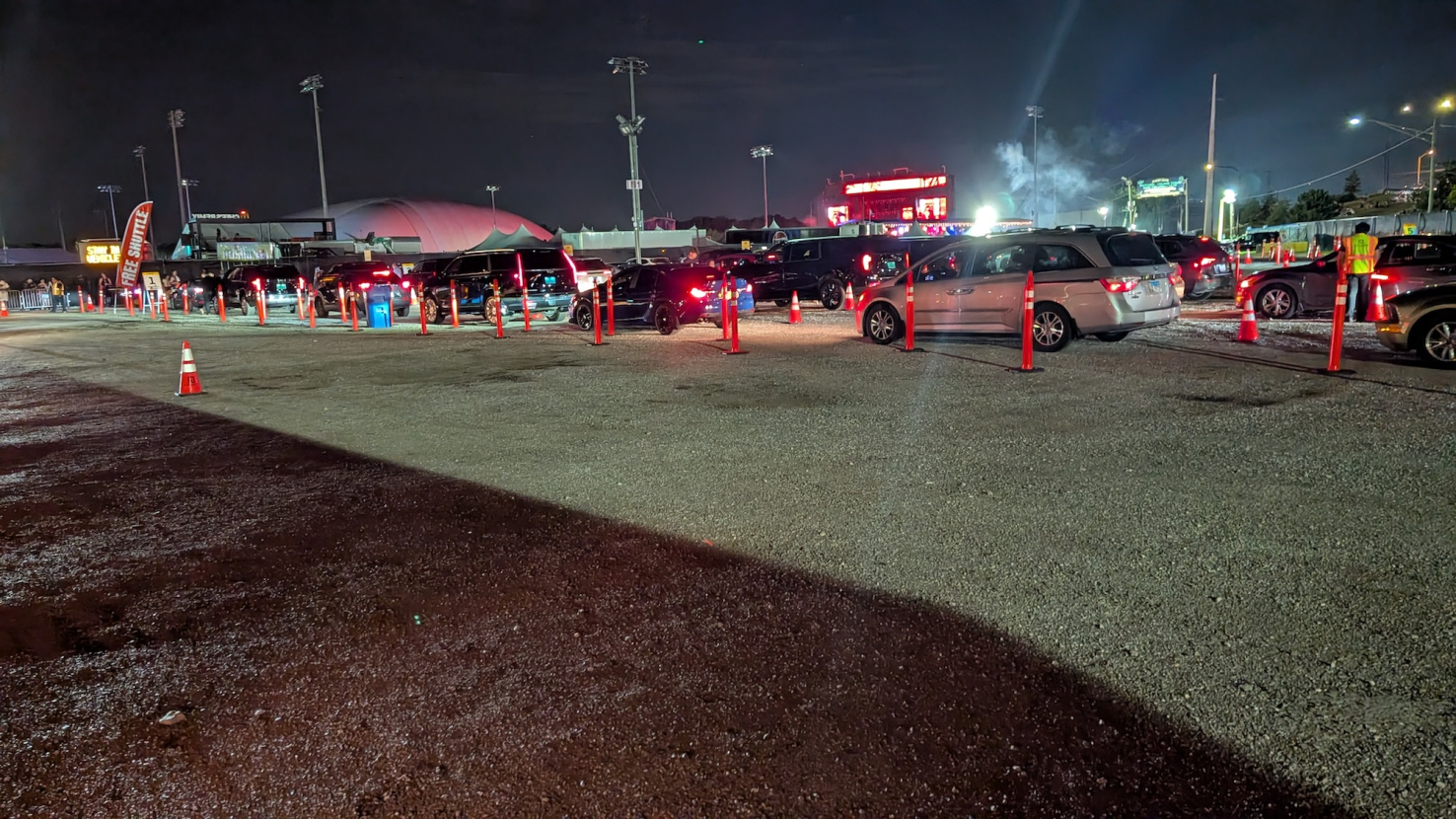
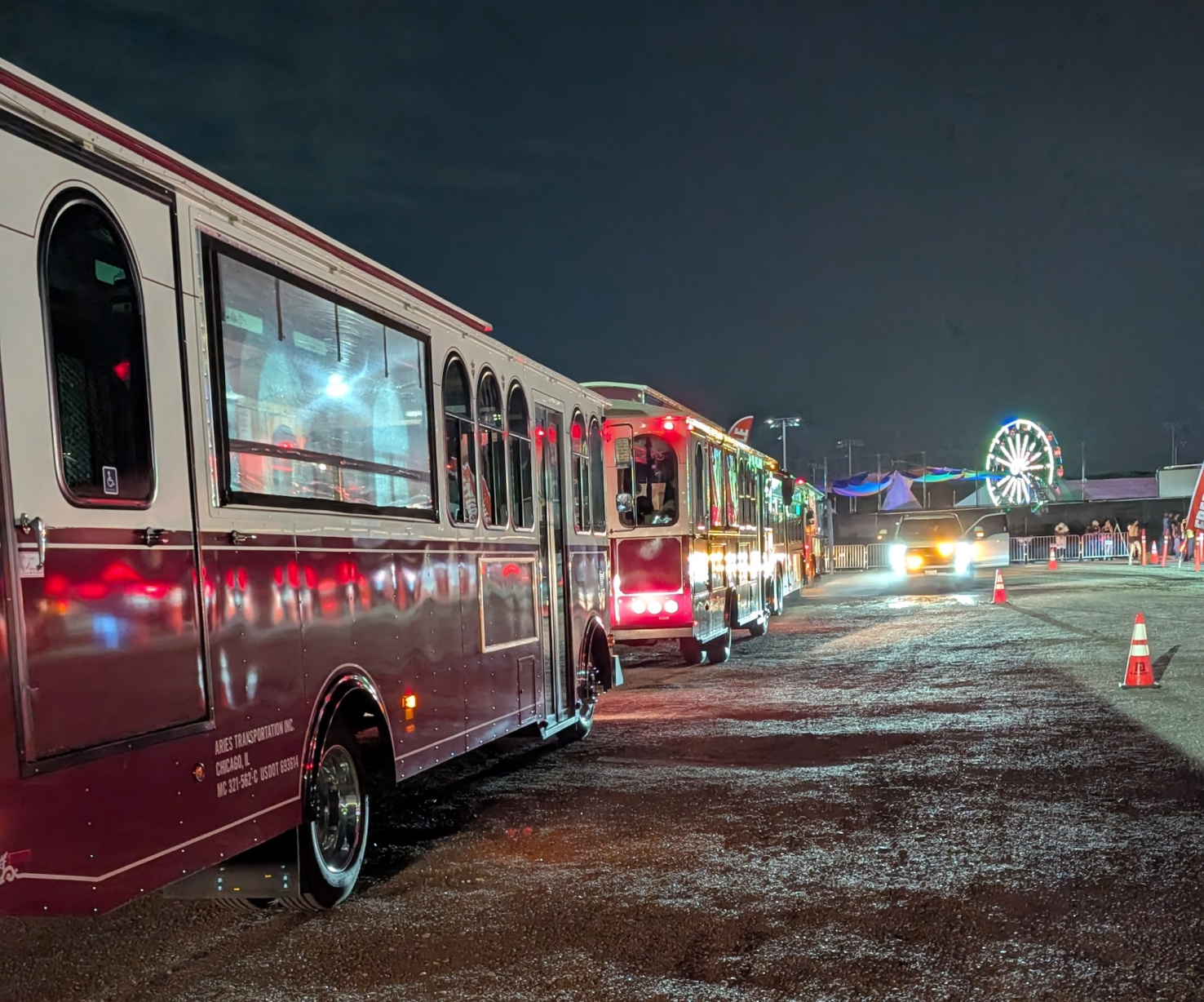
Fortunately, SeatGeek sometimes offers a shuttle from the rideshare lot to the Midway Orange Line Terminal, where concert-goers can connect to myriad transit options. Last year, I drove one of those shuttles. And in case you’re wondering, no, we didn’t bother to collect a fare. We just got people where they needed to go.
❔Should transit be fare-free? Sure, but…
In a large and growing number of places, fare revenues are not covering a significant portion of the cost to operate service. In many of the places that have experimented with fare free transit, the program has been popular amongst riders, and successful at increasing system ridership and reducing farebox disputes.
However, before dropping transit’s barrier to entry to zero for everybody, an honest assessment of the quality of the service being provided, and the financial reality that the service operates in is required. Kansas City offers a cautionary tale of what it can look like when fare free transit is pursued without fully and sincerely making this assessment. In 2020, Kansas City gained national attention for being one of the first US transit systems to adopt a fare free transit policy. In June 2026, faced with increasing operating costs, unrelenting inflation and stagnant public subsidy, the agency made the difficult decision to reinstate fares at $2/ride (with free and reduced fares still available for eligible riders).
In a perfect world, I personally think transit should be fare free. However, if the service does not represent Good Transit, or the political will is not there to close the funding gap left by fare free transit, then it’s probably best to keep the fares around, at least for now.
¹ NTD Full Reporters
² Restaurants and grocery stores are two other, famously low margin industries.
³ Arrangements like these are pretty common.
⁴ CityBus typically set up a table at the “Meet The Teacher” events hosted by schools
—
Joshua Woods is a professional transit planner based in Chicago, Illinois. He has worked at a mix of consulting firms and transit authorities, in both planning and operations positions.

Fisticuffs: The argument AGAINST fare-free transit
If a terrible bus becomes free, will it truly free you?
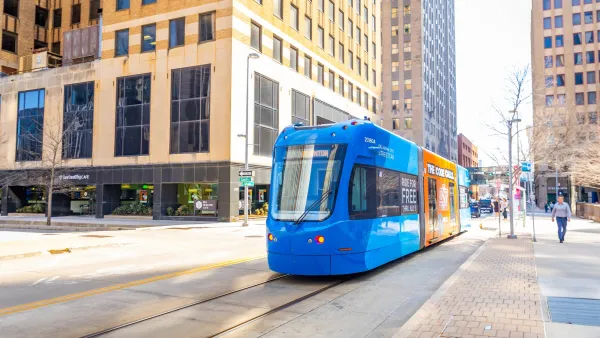
OKC streetcar will stay fare-free after ridership shot up 74%
The downtown streetcar saw a surge in ridership after it eliminated fares in January.
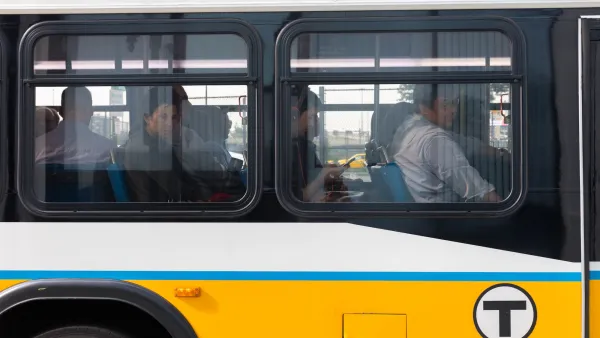
Boston extends successful fare-free bus pilot
The program began in 2021 and expanded later to include lines 28, 23 and 29.

Planetizen Federal Action Tracker
A weekly monitor of how Trump’s orders and actions are impacting planners and planning in America.

Amtrak, CN end decades-long dispute with eight-year agreement
The new operating agreement establishes an updated framework for the companies to work together, including processes to resolve disputes.

Judges permit Denver to divert 77,000 acre feet from the Colorado River for reservoir expansion
Overuse and climate change have caused the Colorado River’s water levels to plummet.

NYC DOT wants faster, more permanent street upgrades
The city is examining ways to build more concrete infrastructure without getting entangled in 'decades-long' projects.

'Something we’ve never seen before:' rising utility rates could strain city finances nationwide
Data centers, climate change and other factors have caused utility rates in the United States to increase by 38% since 2020.

Trump to overrule local leaders, lease millions of acres of America’s Pacific Island territories’ seafloors to mining companies
International law says that the Indigenous people of America’s territories have a right to prior and informed consent regarding projects that impact their countries.

FREE Course: Walkable City 1: Why Walkability?
After describing his path towards focusing on walkability as the essence of good planning, Jeff Speck marches through his five principal reasons for making more walkable places.
Reinventing Malls: Planning Alchemy—Turning Gray Fields Into Gold
The course focuses on the opportunities and imperatives that shape reinvention of mall sites.

Harvard University Graduate School of Design
KFH Group Inc.
Greater Baltimore Committee
The Architects Foundation
University of Cincinnati Online
The Pocatello Development Authority
The Urban Renewal Agency of the City of Pocatello

