Exclusives

BLOG POST
How Houston Achieved Lot Size Reform
Nolan Gray of George Mason University and Adam A. Millsap of the Charles Koch Institute write about a recent article they authored in the Journal of Planning Education and Research.
FEATURE
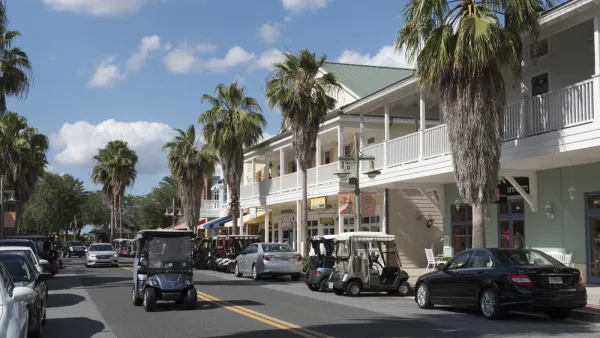
The Villages and the Dangers of Holding Too Tightly to the Past
Some parts of The Villages, Florida, the nation's largest retirement community and one of its most popular master planned communities, bear a striking resemblance to the neotraditional development favored by famous early examples of New Urbanism.
BLOG POST
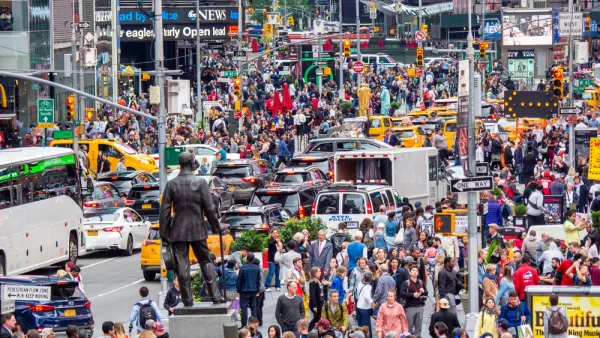
Liberating Cities from Cars
Examining models of progress toward restrictions on the use and storage of automobiles from urban areas around the world.
PLANOPEDIA
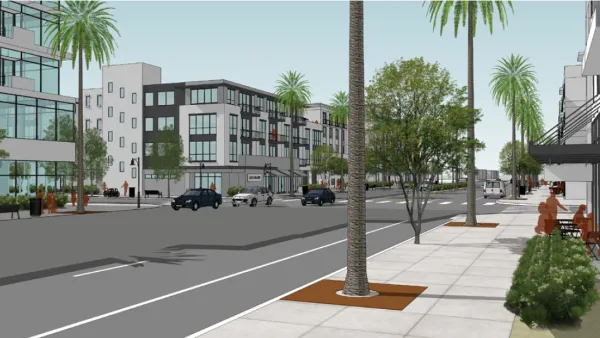
What Is a Form-Based Code?
Form-based codes are a variety of development regulation that departs significantly from the land use control approach of most zoning codes in the United States.
PLANOPEDIA
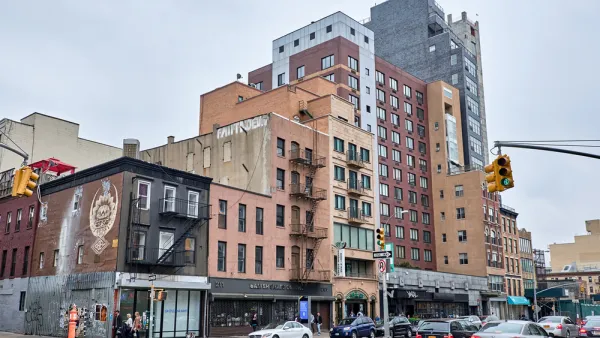
What Are Zoning Codes?
Local governments use zoning codes to define what can and cannot be built. While comprehensive plans and other kinds of plans lay out a vision for the future, zoning codes offer the legal tools to implement that vision.
FEATURE
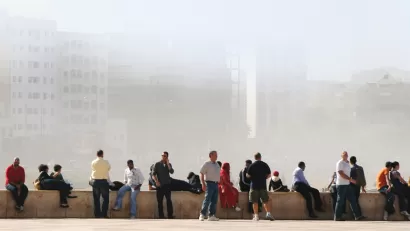
Jan Gehl on 60 Years of Designing Cities for People
The 10th anniversary of "Cities for People" offers the occasion for this interview with Jan Gehl, who has devoted a 60-year career to ideas about humanistic city planning—ideas of increasing relevance in 2020.

FEATURE
The Stage for Trump's Racist Tweet: The Villages, Florida
The Villages is one of the strangest, and most significant, planning and development stories in recent memory—with surprisingly regular relevance in the media and numerous intersections to politics and culture.
BLOG POST
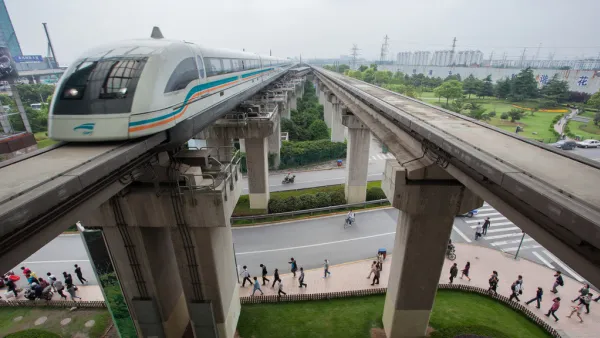
Our World Accelerated: Analyzing the Impacts
During the last 120 years, our mobility increased by an order of magnitude, but so did associated costs. Are we better off? Could we do better?
BLOG POST
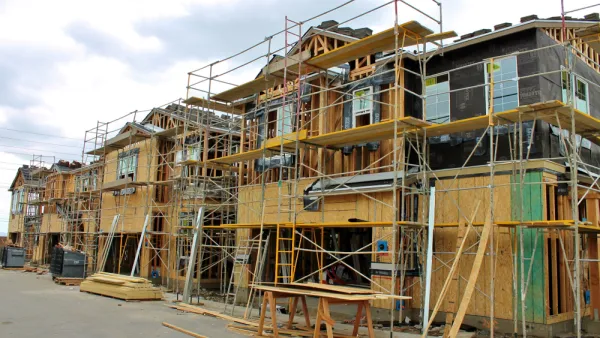
COVID-19, YIMBY, and PHIMBY
How will COVID-19 and its economic consequences affect housing supply?
BLOG POST
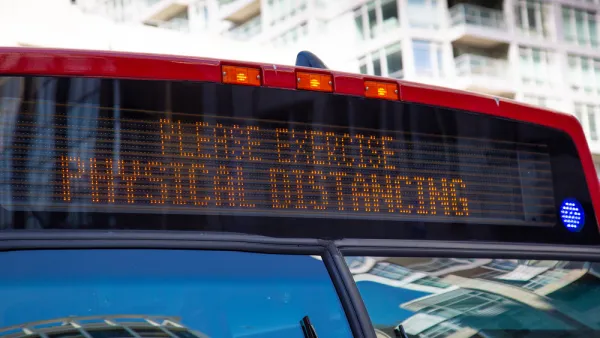
How Public Transit Agencies Are Adjusting to the Realities of the Pandemic
U.S. public transit agencies have been reacting to news and developments on the fly, as sudden declines in ridership, loss of revenue, waves of protest, and an uncertain long-term prognosis continues to disrupt day-to-day operations.
BLOG POST
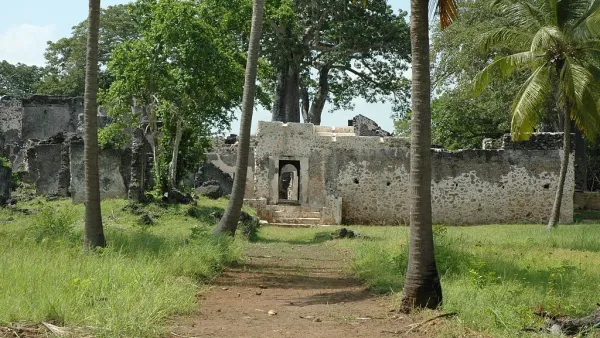
Anti-Racist Planning: A View from Elsewhere
Developing anti-racist approaches to urban planning requires looking elsewhere—to other geographies and histories—for alternative urban imaginaries and practices.

PLANOPEDIA
What Is Missing Middle Housing?
One of the newest terms in the world of urban planning, Missing Middle Housing has generated a lot of attention in recent years as cities around the United States look for ways to create more housing options in a vast sea of single-family homes.

FEATURE
A Different Kind of Density: Lessons From Asian Megacities
As the pandemic has made clear, a healthy, prosperous future will depend on the development of the kinds of density that encourage strong social infrastructure.
PLANOPEDIA
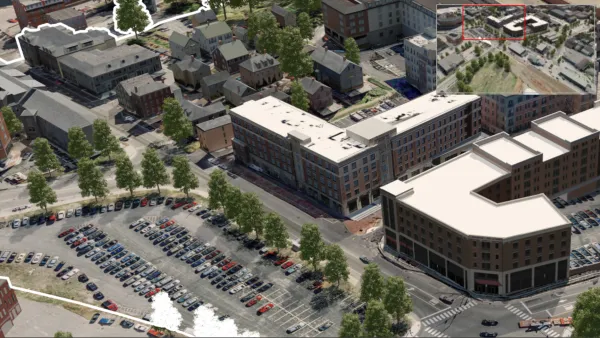
What Is Land Use?
Land use might seem self explanatory, but it has a very specific meaning in the context of U.S. planning history.
PLANOPEDIA
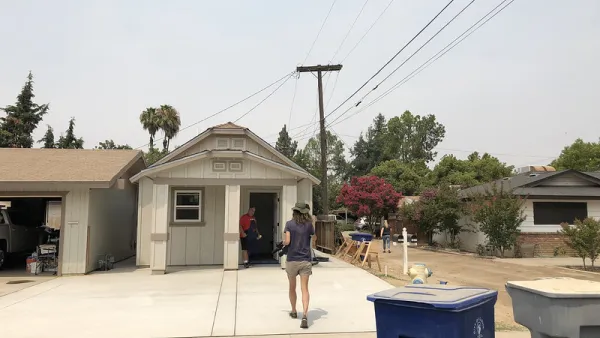
What Are Accessory Dwelling Units (ADUs)?
Sometimes referred to as mother-in-law units or granny flats, accessory dwelling units (ADUs) are a hallmark of contemporary planning as jurisdictions of all sizes and histories legalize the construction of these supplementary residential units.

BLOG POST
Disorder is Not Destiny
Do protests and riots inevitably lead to crime waves and flight to suburbia? Not always.
BLOG POST
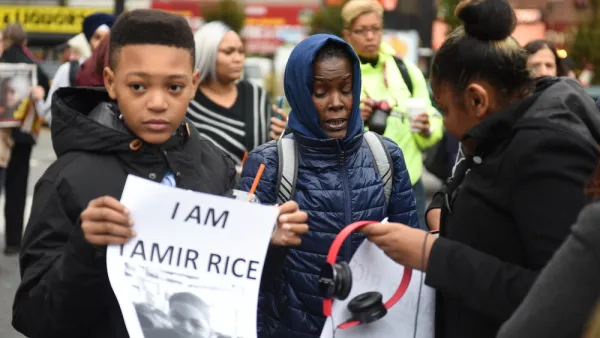
Planning Beyond Mass Incarceration
Sheryl-Ann Simpson from Carleton University, Justin Steil from MIT, and Aditi Mehta from the University of Toronto write about a recent article they co-authored in the Journal of Planning Education and Research.

BLOG POST
Pandemic Data for Planners
The right data will be critical in crafting effective responses to the threats posed by the coronavirus.

BLOG POST
Lessons from Pandemics: Valuing Public Transportation
Public transit is critical for efficient and equitable transportation, but it is currently under threat due to fears of COVID-19 contagion. Now, more than ever, planners must communicate transit benefits and respond to inaccurate criticisms.

BLOG POST
Debating the Future of Cities After the Coronavirus, Volume 3
The third installment of an ongoing, curated list of a particularly contemporary genre of urbanism punditry.
Harvard University Graduate School of Design
KFH Group Inc.
Greater Baltimore Committee
The Architects Foundation
University of Cincinnati Online
The Pocatello Development Authority
The Urban Renewal Agency of the City of Pocatello

FREE Course: Walkable City 1: Why Walkability?
After describing his path towards focusing on walkability as the essence of good planning, Jeff Speck marches through his five principal reasons for making more walkable places.
Reinventing Malls: Planning Alchemy—Turning Gray Fields Into Gold
The course focuses on the opportunities and imperatives that shape reinvention of mall sites.