Environment
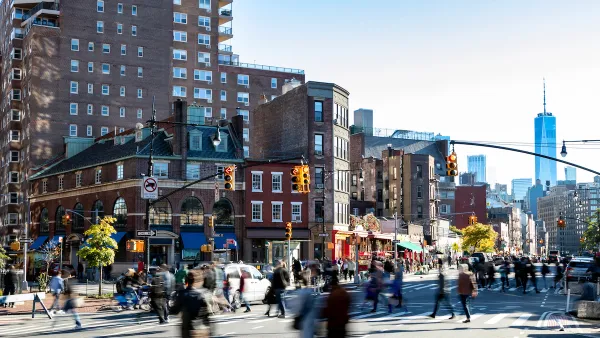
New York State Climate Plan Stalls
Of 35 recommendations presented in the state’s climate scoping plan, just one has been implemented so far.

Playing With Numbers, Even for Environmental Justice, Isn't Justified
Environmental justice is an important issue, but does not justify playing with the numbers. But that's exactly what I found in a new study of the impacts of warehouses in New Jersey done by the Environmental Defense Foundation.
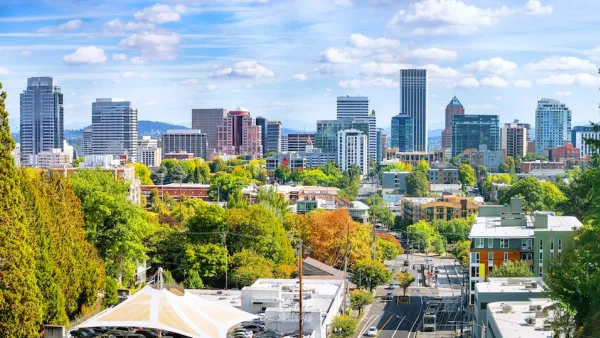
Invasive Beetles Put Oregon Forests at Risk
Two recently discovered borer beetles could lead to a significant loss of tree canopy.
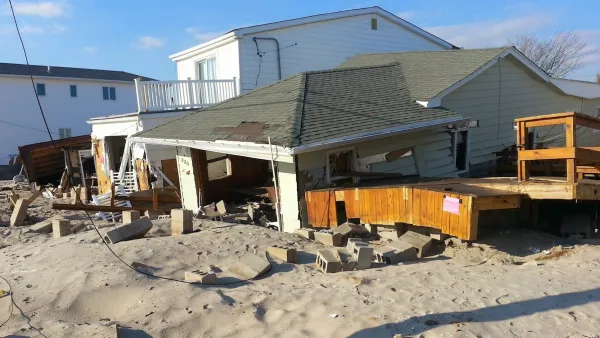
FEMA Rule Calls for Updated Flood Modeling
Agency-funded projects will be required to be elevated at least 2 feet above the projected local flood level.
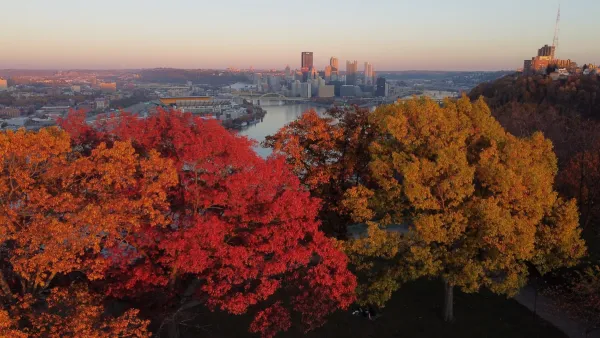
Pittsburgh Nonprofit Awarded $200K for Urban Trees
The USDA grant is focused on providing disease-resistant fruit trees to local residents.

USDOT Unveils Strategies to Achieve Near-Zero Transportation Emissions
Three key strategies — reducing travel distances, increasing energy-efficient travel modes, and transitioning to zero-emission vehicles and fuels — are recommended to meet national climate goals under the Paris Agreement.
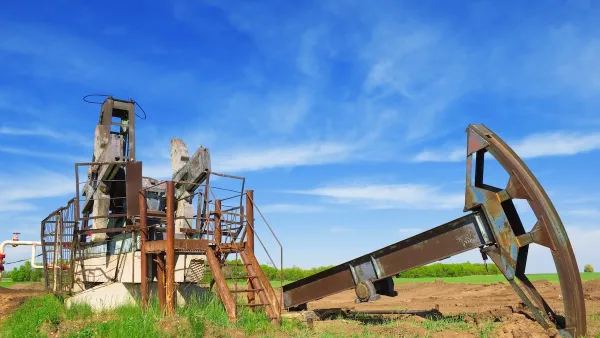
$127 Million Allocated to Clean Up Orphaned Wells in Five States
The funding will be used to plug orphaned oil and gas wells, addressing environmental hazards, creating jobs, and advancing environmental justice as part of a larger effort funded by the Bipartisan Infrastructure Law.
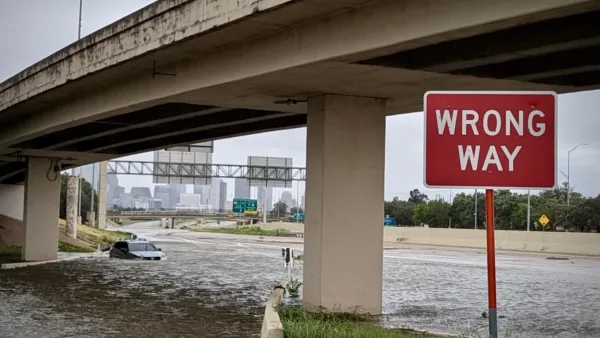
Houston Could Face Stronger Storms. Is the City Prepared?
Experts say Hurricane Beryl, which landed as a category 1, revealed that the city’s infrastructure may not successfully withstand stronger storms.
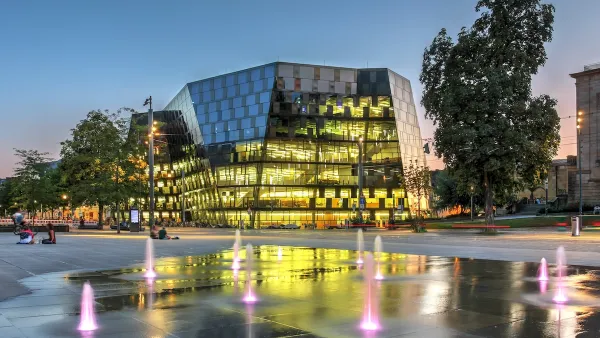
Using AI to Model Climate Impacts
A German research team used AI to understand how thermal stress will impact urban infrastructure down to the street level.

Federal and State Responses to Extreme Heat
Governments are mobilizing resources to address the impacts of longer and more intense heat waves on public health and infrastructure.

Invasive Beetles Threaten California's Oak Trees
Goldspotted oak borers are damaging California's oak trees, increasing wildfire risks and causing ecological and economic losses, with mitigation focused on local firewood sourcing and tree management.
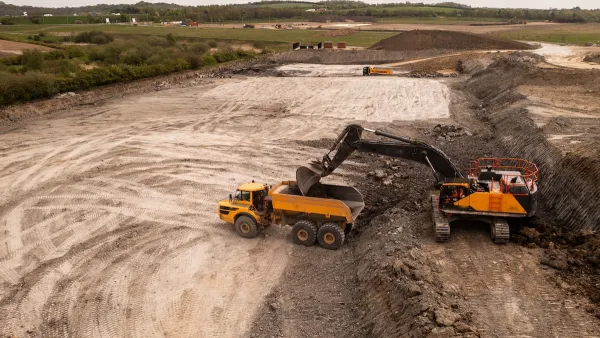
Revitalizing Toxic Sites Using Fungi and Plants
Fungi and plants are being used to detoxify polluted sites, turning hazardous brownfields into vibrant meadows and empowering communities with eco-friendly remediation skills.

Phoenix Nonprofit Offers Medical Services to Unhoused Residents
The mobile medical units are administering IV fluids and treating heat-related illnesses as extreme heat blankets the Southwest.
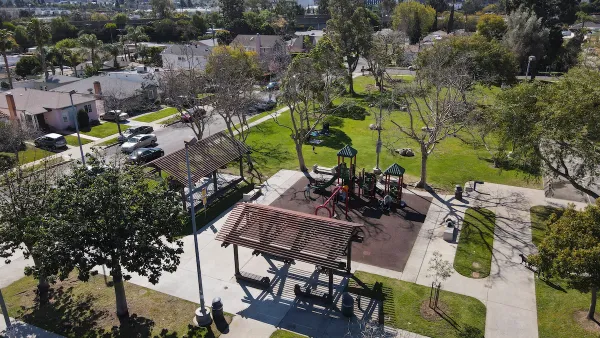
LA County Releases Funding for Parkland Acquisition in Underserved Communities
Los Angeles County has released $14.5 million in Measure A grant funds to support parkland acquisition in high-need areas, aiming to create additional green spaces and advance environmental justice and equity.
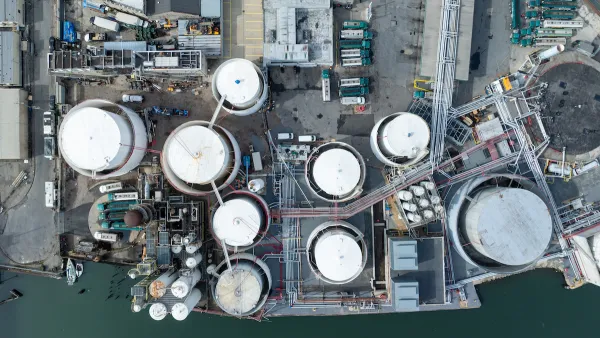
Climate Change Putting Coastal Infrastructure at Risk
More than 1,000 coastal facilities could flood as often as once a month as sea levels rise, according to a study from the Union of Concerned Scientists.
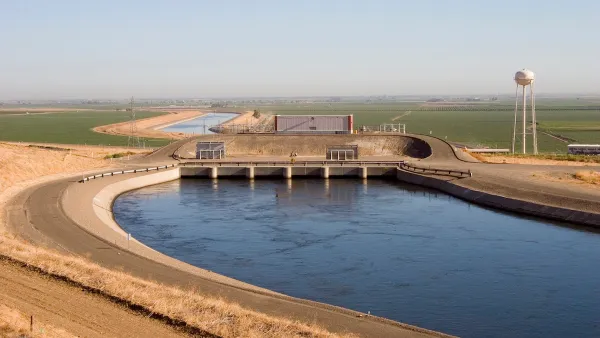
California’s 2024 Drinking Water Needs Assessment Reveals Critical Issues in Public Water Systems
The assessment identifies 385 failing public water systems and highlights significant funding gaps and affordability challenges in ensuring safe drinking water for disadvantaged communities.
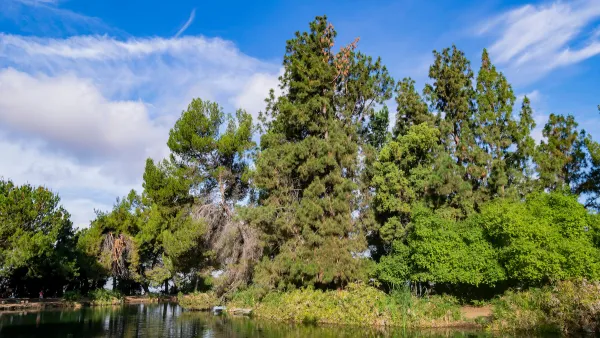
From Academia to Action: An Indigenous Reforestation Effort in Los Angeles
Ary Amaya, a UCLA graduate student, leads an Indigenous-led reforestation effort in Los Angeles, integrating cultural practices and ecological restoration across 27 acres to promote Indigenous sovereignty and sustainable land management.
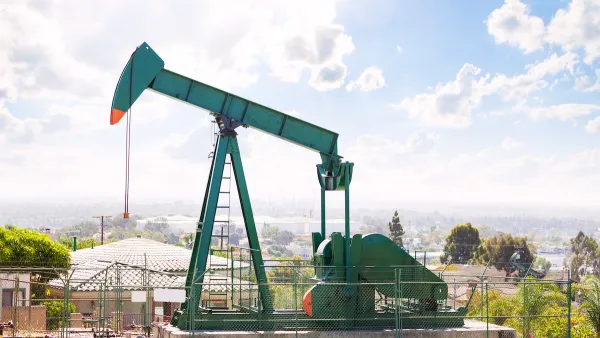
California's Struggle to End Neighborhood Oil Drilling Faces Fierce Industry Opposition
Assembly Bill 1866 aims to address the health hazards caused by idle oil wells in low-income communities by enforcing stricter regulations on oil companies to accelerate well cleanup, despite significant opposition from the oil industry.
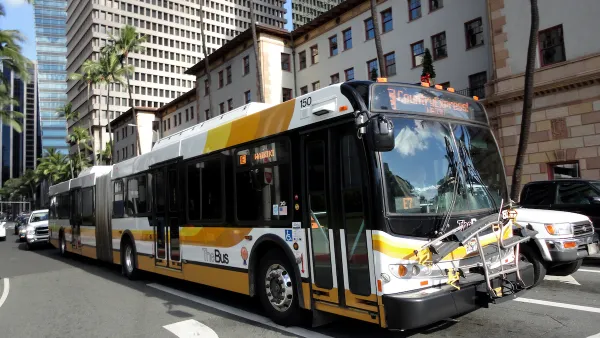
Youth Activists Secure Landmark Climate Agreement for Zero Emissions in Hawaii
The unprecedented climate settlement compels the state's transportation department to achieve zero emissions by 2045, marking a significant victory for climate justice and constitutional rights.

North Dakota Tribe Reclaims Agricultural Heritage with Massive Greenhouse Project
The Mandan, Hidatsa, and Arikara Nation in North Dakota is launching a massive greenhouse project to regain their agricultural heritage and achieve food sovereignty.

FREE Course: Walkable City 1: Why Walkability?
After describing his path towards focusing on walkability as the essence of good planning, Jeff Speck marches through his five principal reasons for making more walkable places.
Reinventing Malls: Planning Alchemy—Turning Gray Fields Into Gold
The course focuses on the opportunities and imperatives that shape reinvention of mall sites.

City of Rosemead
Rutgers University, Edward J. Bloustein School of Planning and Public Policy
One Hundred Miles
University of Michigan School for Environment and Sustainability (SEAS)
Hunter College, City University of New York (CUNY)
The Architects Foundation
City of Cambridge
The Pocatello Development Authority
The Urban Renewal Agency of the City of Pocatello









