Environment

How AI Is Revolutionizing Urban Forestry and Climate Resilience
Tree-D Fusion, an AI-driven tool developed by MIT and Purdue researchers, generates 3D models of urban trees to help city planners visualize future green spaces, address climate challenges, and enhance urban livability and sustainability.

Key Climate and Health Issues to Watch in 2025
The escalating health impacts of climate change, from extreme heat to sea level rise, highlight the urgent need for integrated medical education, proactive communication, and sustainable policy solutions to protect public health.
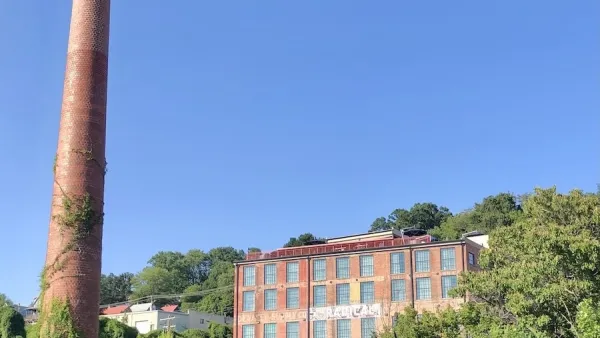
Post-Helene Reflections on Solastalgia and Community
Solastalgia is an increasingly relevant word that refers to the homesickness one feels when still at home, caused by distress due to environmental change in one’s home environment – for example, after a hurricane or wildfire.
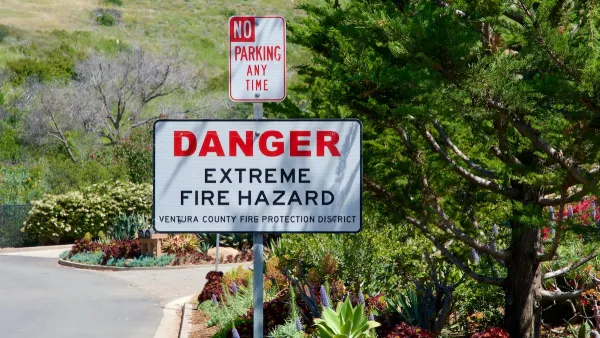
Rising Temperatures and the Escalating Wildfire Crisis
Rising global temperatures driven by climate change are intensifying and prolonging wildfire seasons worldwide, necessitating improved forest management, public awareness, and urgent action to reduce fossil fuel emissions.
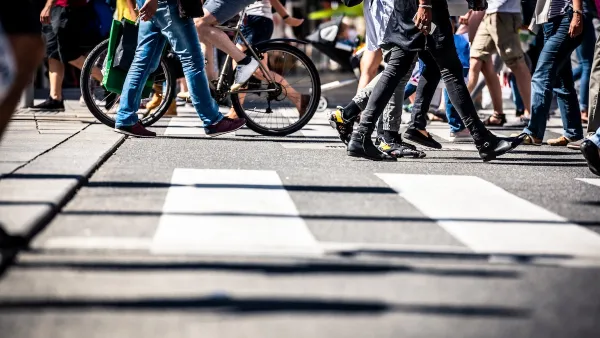
Planning Year in Review 2024: An Ongoing Housing Crisis, the Fight for Climate Resilience, and a Mixed Bag for Transportation
A pedestrian safety crisis, rising housing instability, and destructive extreme weather events set the stage for an eventful year.
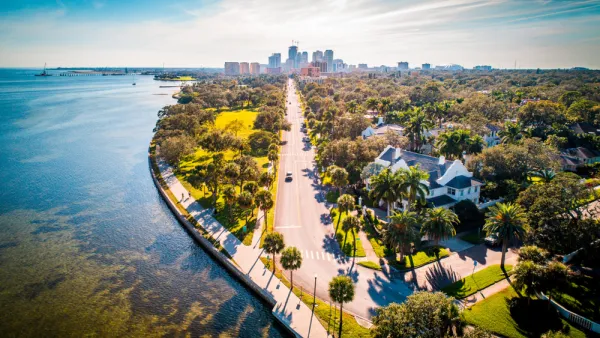
St. Petersburg Considering Protective Flood Barriers
The city could install AquaFence barriers around its most important wastewater pumping stations.
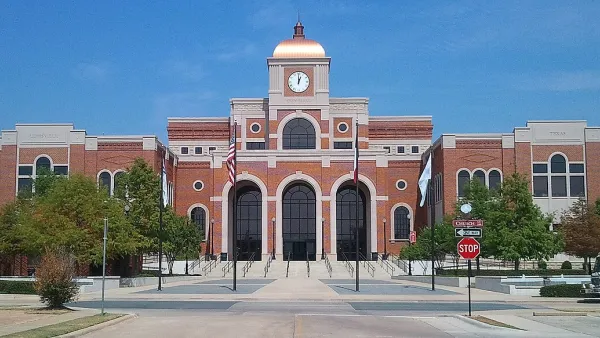
Transforming Communities Through Parks: Lessons from Lewisville
Lewisville, Texas, demonstrates how equitable planning and community-driven efforts can transform underserved areas by enhancing park access and promoting social and recreational equity.
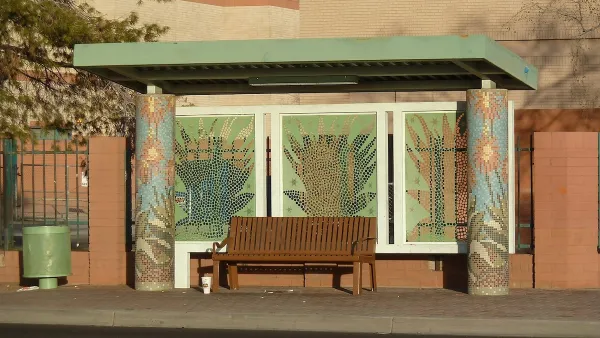
Phoenix Shade Plan Focuses on Bus Stops
The city’s updated Shade Master Plan calls for trees and built structures at bus stops to protect residents from heat.
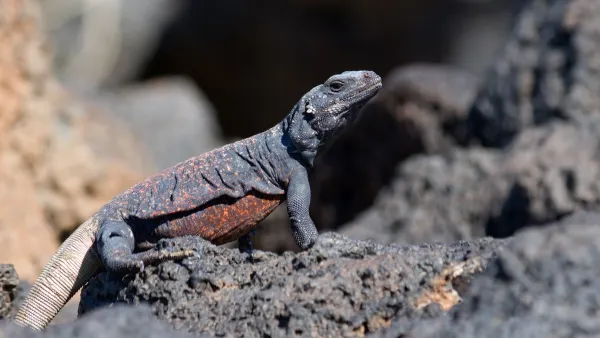
Biden Approves Two New National Monuments in California
The Chuckwalla and Sáttítla National Monuments will protect natural resources and sites of cultural significance for California native tribes.
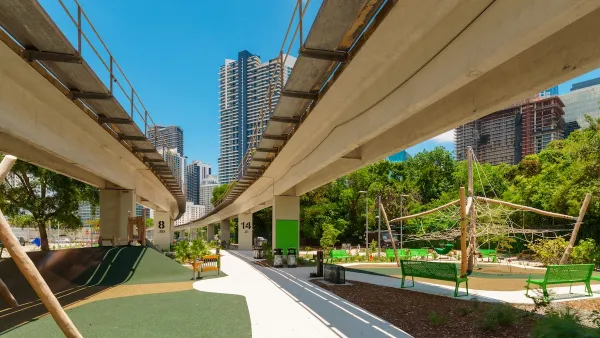
Miami’s Underline Linear Park Offers Recreation, Transportation, Conservation
A 10-mile park that runs under the Miami Metrorail is nearly complete and features bioswales for water conservation and public recreation facilities.
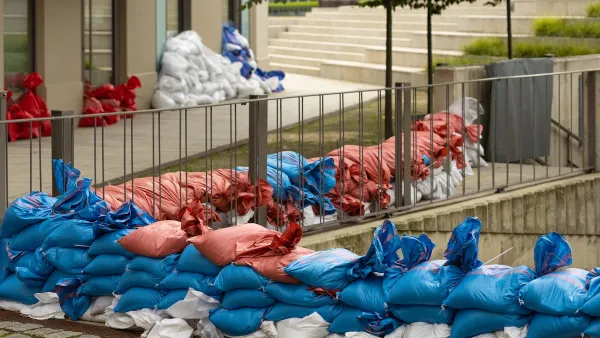
How US Communities Are Building Resilience Against Flooding
Flooding causes over $400 billion in damage in the United States every year.
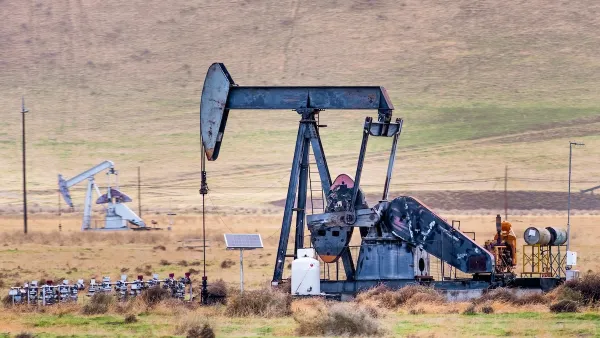
Certified Carbon Credits for Orphan Well Remediation
The Well Done Foundation has launched 778,000 certified carbon credits to fund the plugging of orphaned oil and gas wells, reducing methane emissions while offering businesses and individuals a way to offset their carbon footprints.
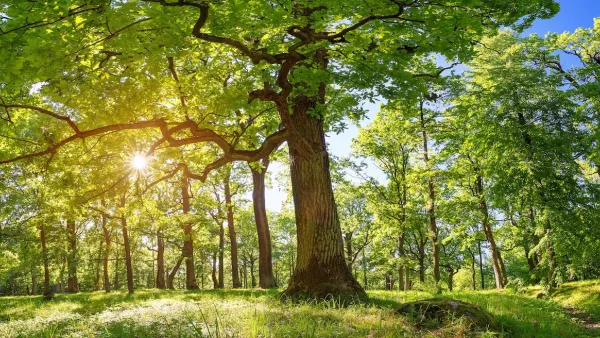
Oak Survival in the Great Lakes: Adapting to a Changing World
Climate change is endangering oaks in the Great Lakes region by increasing their vulnerability to pests, diseases, and extreme weather, threatening their vital ecological role.
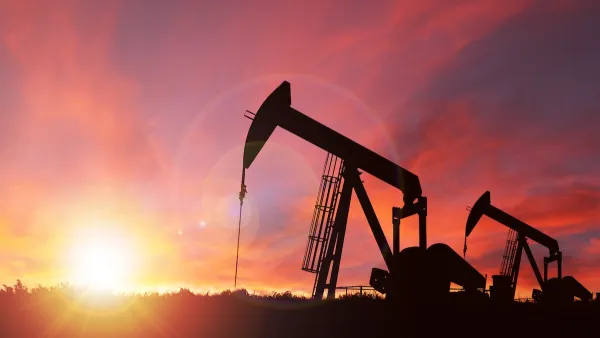
Upcoming Conference Spotlights California's Orphan Wells
The 2025 Orphan & Idle Wells California Conference will address the environmental, economic, and public health challenges of abandoned oil and gas wells, focusing on remediation strategies, regulatory frameworks, and community-centered solutions.
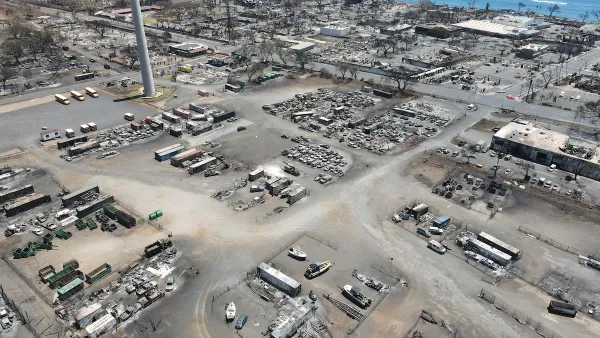
$2.1 Billion Secured for Maui Wildfire Recovery and Resilience
Congress has approved federal funding to support Maui’s wildfire recovery, including housing, economic development, and infrastructure improvements while fostering long-term community resilience and preparedness.
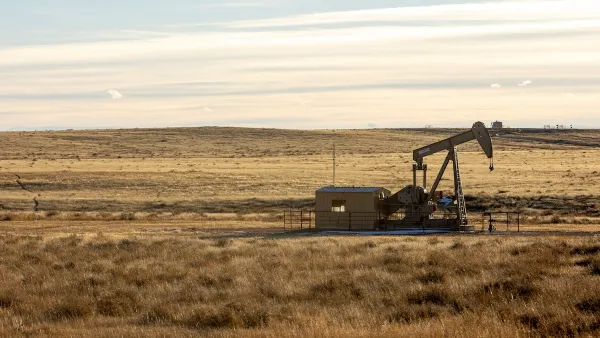
Reclaiming Oil Wells for Renewable Energy in Rural Colorado
A company is seeking to repurpose abandoned oil wells in Pierce, Colorado, to create a cost-effective geothermal energy system that could heat and cool local buildings, reduce emissions, and serve as a model for sustainable energy nationwide.
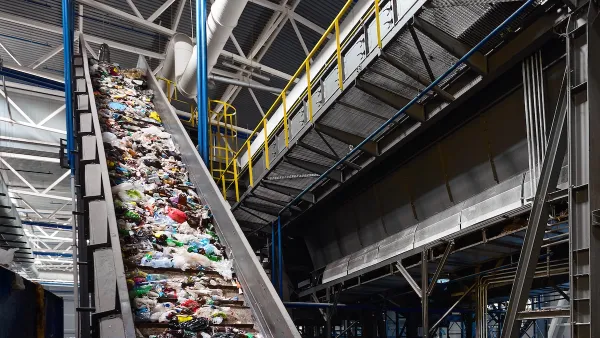
Recycling’s Real Impact: Challenges, Misconceptions, and the Path Forward
Recycling offers modest environmental benefits but faces significant challenges in effectiveness and scalability, requiring systemic changes like reducing plastic production and exploring alternative waste reduction strategies.
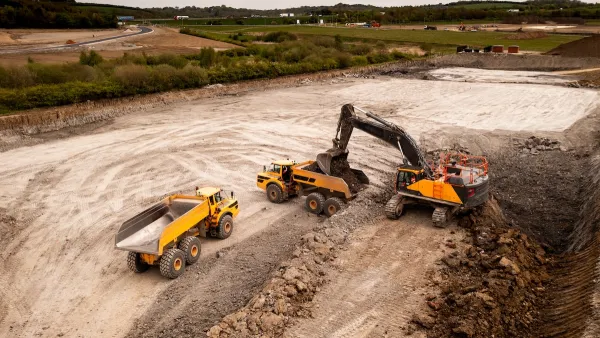
National Brownfields Training Conference: Driving Sustainable Redevelopment
The conference will bring together diverse stakeholders to share knowledge, strategies, and resources for the remediation and sustainable redevelopment of contaminated properties, fostering economic growth and environmental restoration.
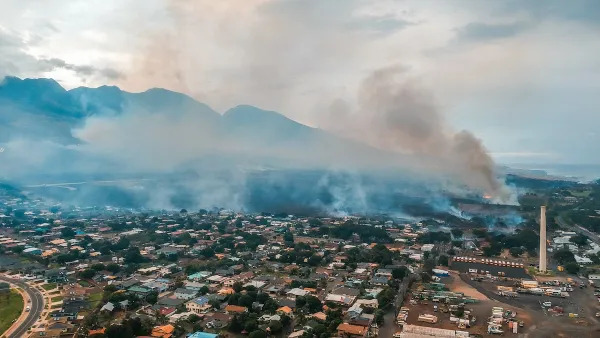
Maui's Deadly Firestorm: Investigating the Tragedy and Lessons for the Future
FRONTLINE's Maui’s Deadly Firestorm investigates the 2023 Lahaina wildfire, uncovering critical failures in preparedness and response while examining the tragedy’s causes, impact, and lessons for future disaster prevention.
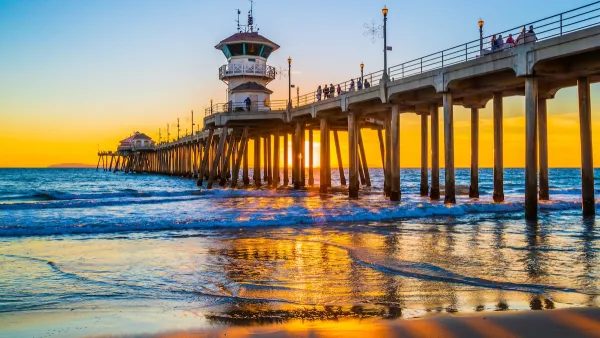
Storms and Sea Levels: The Growing Threat to California’s Piers
California’s aging piers face growing threats from climate change, with intensifying storms, rising repair costs, and structural vulnerabilities forcing tough decisions about their future preservation.

FREE Course: Walkable City 1: Why Walkability?
After describing his path towards focusing on walkability as the essence of good planning, Jeff Speck marches through his five principal reasons for making more walkable places.
Reinventing Malls: Planning Alchemy—Turning Gray Fields Into Gold
The course focuses on the opportunities and imperatives that shape reinvention of mall sites.

City of Rosemead
Rutgers University, Edward J. Bloustein School of Planning and Public Policy
One Hundred Miles
University of Michigan School for Environment and Sustainability (SEAS)
Hunter College, City University of New York (CUNY)
The Architects Foundation
City of Cambridge
The Pocatello Development Authority
The Urban Renewal Agency of the City of Pocatello









