Environment
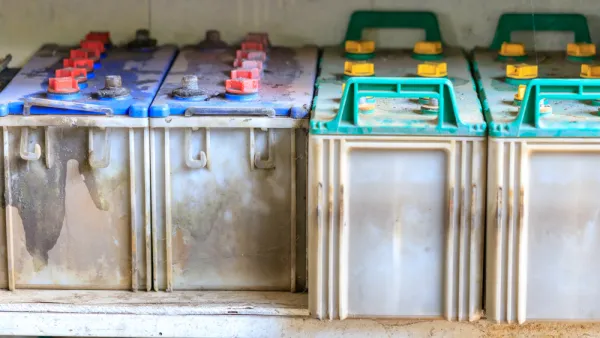
The Most Carbon-Intensive Component of Electric Vehicles Deserves Attention
It's well known that an electric vehicle is only as clean, from a greenhouse gas perspective, as the electricity it consumes to power it. A new study finds that the electricity used in the manufacturing of car batteries also must be considered.
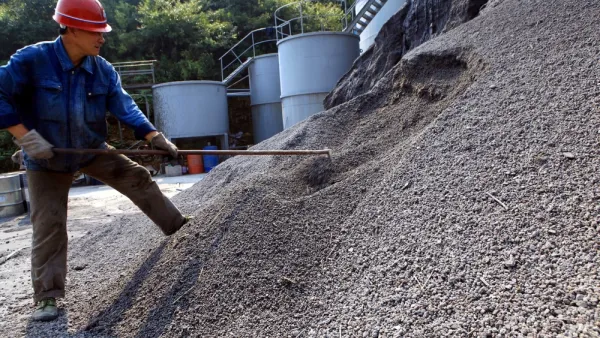
Greenhouse Gas Emissions Continue to Decrease in the U.S.
President Trump and his cabinet have been busy rolling back environmental regulations and promoting coal burning, and now they claim credit for a reduction in greenhouse gas emissions last year even greater than in 2016.
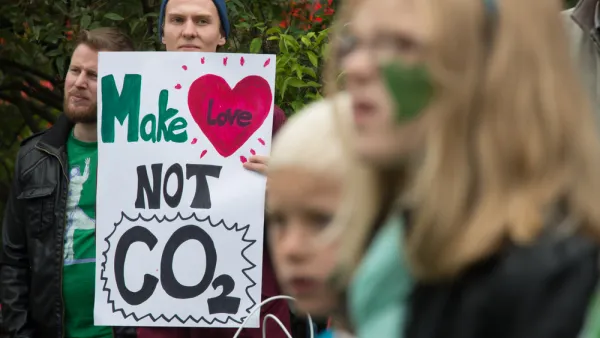
IPCC Report Sways Microsoft to Endorse Carbon Fee Initiative on Washington Ballot
A dire report on climate change issued by a United Nations panel influenced Washington-based Microsoft to take a position on a controversial state carbon fee, Initiative 1631. Oil companies are fighting back, citing wide exemptions from the fee.
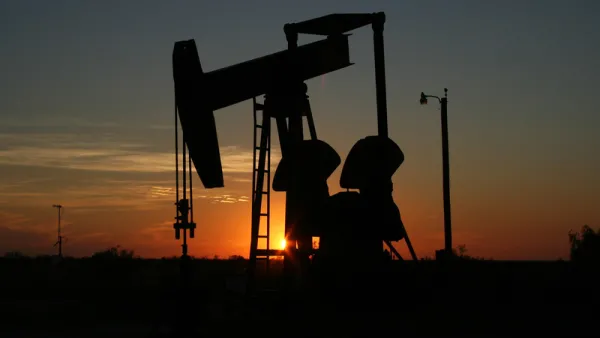
As Disposal Wells Reach Capacity, EPA Considers Changes to Drilling Wastewater Standards
The oil and gas industries want to see wastewater regulations loosened as they consider pumping the water into streams and rivers.
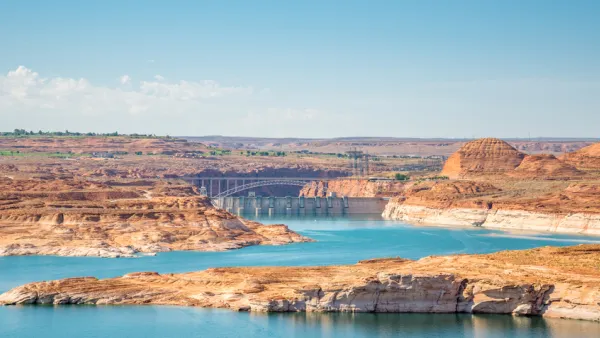
Signs of Life for the Colorado River With Seven-State Agreement
A final agreement is still a year away, but seven states have taken a substantial step toward sustainability for the Colorado River.
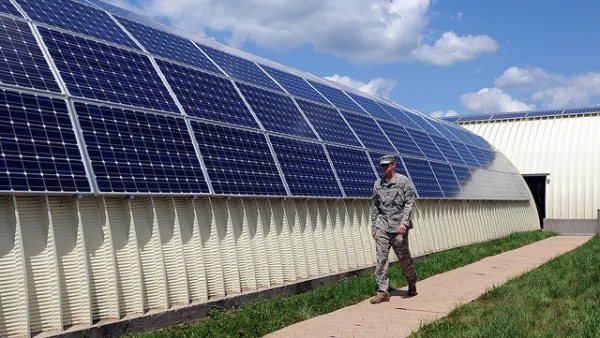
Arizona and Nevada to Vote on Renewable Energy Initiatives
Voters in two Western states next month will determine whether to require energy utilities to increase their share of electricity from renewable sources to 50 percent by 2030. In Arizona, the campaign has become the costliest in state history.
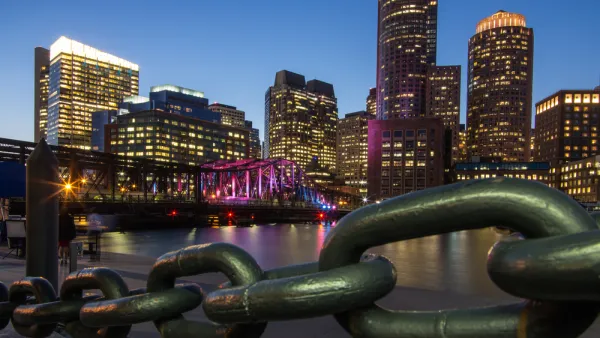
Boston Unveils New Shoreline Resilience Plan
With the news of the UN Intergovernmental Panel on Climate Change's report predicting dire consequences of climate change and seal level rise still fresh, the city of Boston has released a plan for how it will shore up its coastline.
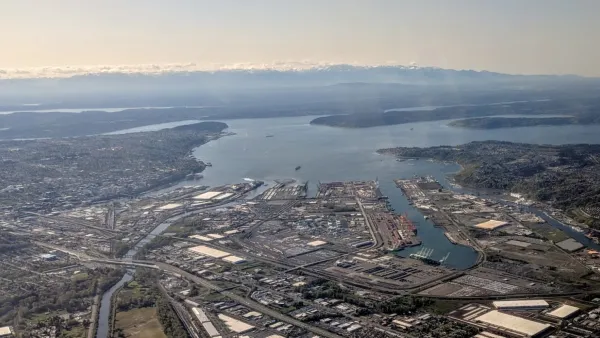
Tacoma Setting Land Use Barriers for Fossil Fuel
Even with a year-long halt on new projects, the city is grappling with plans for industrial land use.
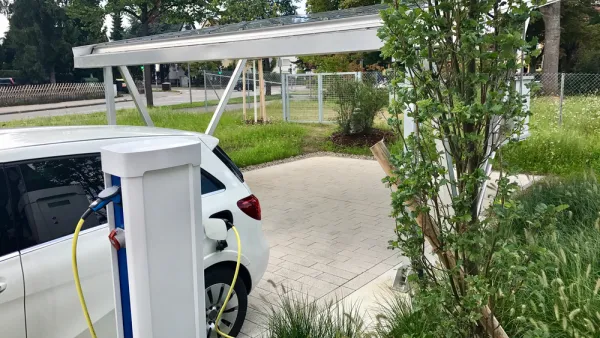
Electric Vehicles See Progress at Local Level but Setbacks in Washington
The new IPCC report calls for decarbonization of transportation. While many cities are attempting to do their part, two recent federal developments in trade policy and tax legislation threaten to will make progress more difficult.
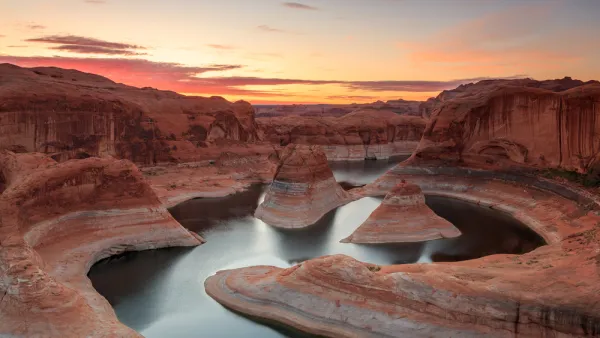
Utah's Campaign to Deregulate Public Lands
Newly obtained documents reveal the extent of the state's efforts to strip protections from federal lands around the United States.
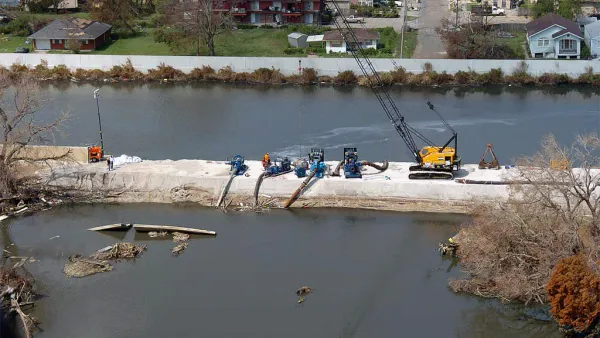
To Prevent Flooding in New Orleans, Holding Water Rather Than Pumping It
The city plans to use a different approach to tackle its longstanding flood problems.
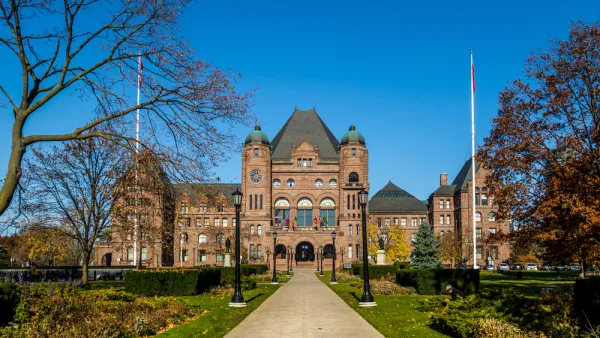
The Cost of Ending Cap and Trade in Ontario: $3 Billion
The fallout from Ontario Premier Doug Ford's decision to pull the province from the Western Climate Initiative, a cap-and-trade program linked with Quebec and California.
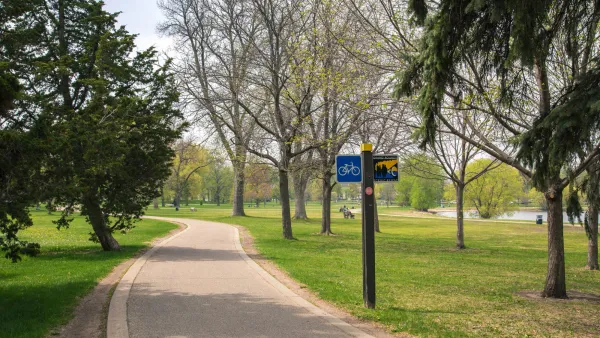
Cities Need Funding for Urban Parks; Federal Program Essential
A federal funding program for city parks means green space for communities but also brings many social and economic benefits.
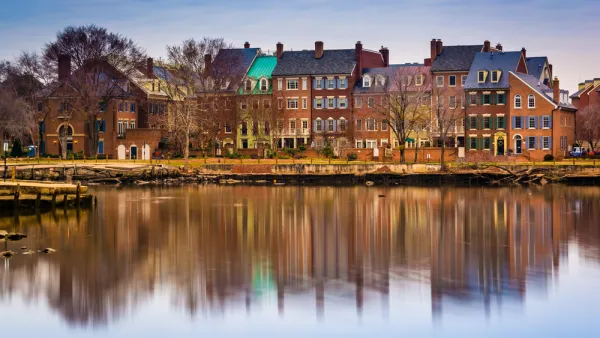
Where Virginia's Innovative Climate Fund Went Wrong
Virginia designed a promising way to bolster coastal areas vulnerable to sea-level rise. But it was never funded.
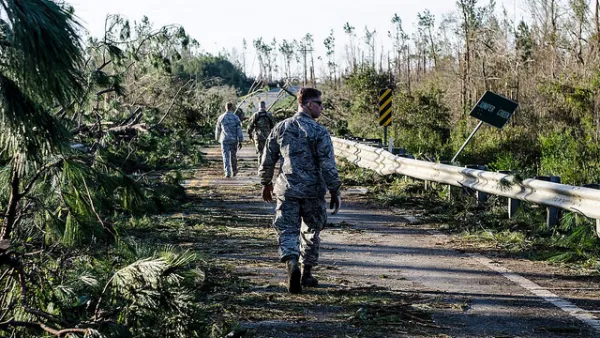
Florida Panhandle Struggling to Recover from Hurricane Michael
Residents of Panama City and other Florida communities are calling for help, but it's unclear when help will arrive. The restoration of running water and electricity is the primary concern.
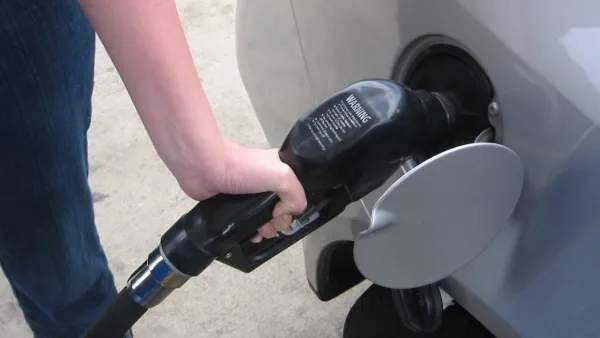
Trump Announcement Unites Big Oil and Environmentalists
President Trump announced at a campaign rally in Iowa that he would lift the ban on summertime sales of a 15 percent blend of ethanol, expected to increase smog levels. Both environmentalists and the oil industry oppose the action.
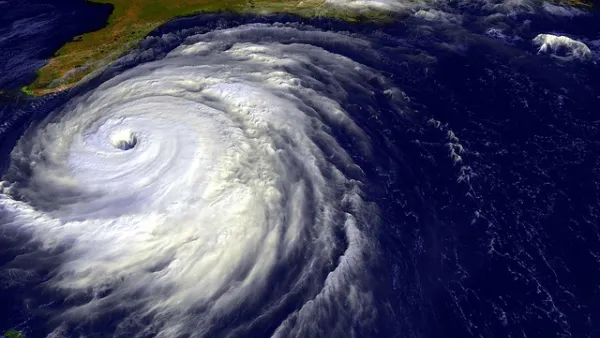
After Michael: Updating Florida's Building Code to Better Weather Future Storms
Code requirements for wind resistance vary substantially across Florida, with less stringent building requirements in areas of the Panhandle hit hard by Hurricane Michael.
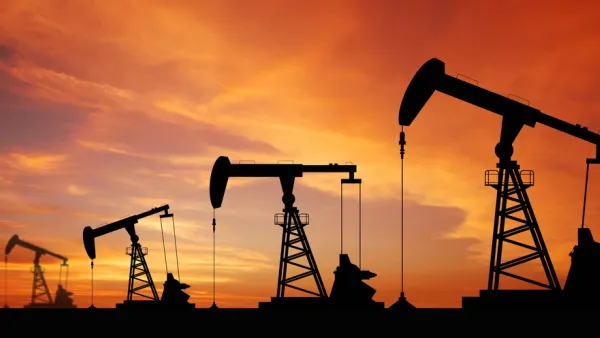
West Texas Drilling Boom Bodes Ill for Residents, the Planet
Driven by foreign demand, a surge in West Texas oil production is having adverse effects on the local populace, and contributes to climate change at a crucial moment.
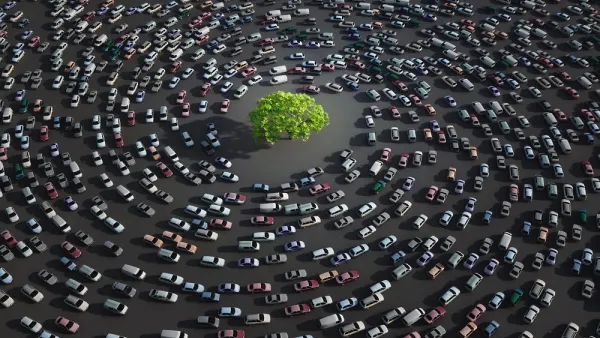
Op-Ed: Averting Climate Catastrophe Means Rethinking Our Transportation Habits
Given a recent dire report on climate change from the IPCC, Laura Bliss underscores the point that those who have the ability to do so should make changes to how they get around, and pronto.
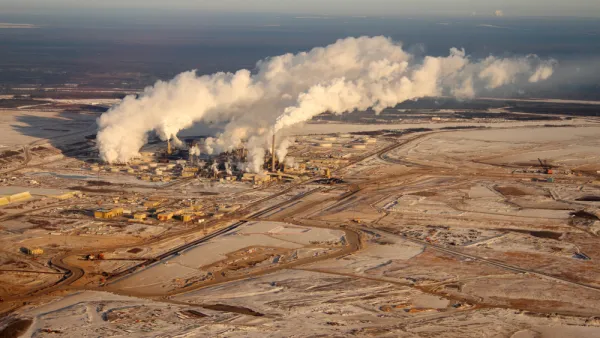
ExxonMobil's $1 Million Gift to Fight Climate Change Through Carbon Pricing
Two days after a Nobel prize was awarded to William Nordhaus for his work on carbon taxes to address climate change, the largest American oil and gas company announced a $1 million contribution to a group promoting a carbon fee and dividend plan.

FREE Course: Walkable City 1: Why Walkability?
After describing his path towards focusing on walkability as the essence of good planning, Jeff Speck marches through his five principal reasons for making more walkable places.
Reinventing Malls: Planning Alchemy—Turning Gray Fields Into Gold
The course focuses on the opportunities and imperatives that shape reinvention of mall sites.

City of Rosemead
Rutgers University, Edward J. Bloustein School of Planning and Public Policy
One Hundred Miles
University of Michigan School for Environment and Sustainability (SEAS)
Hunter College, City University of New York (CUNY)
The Architects Foundation
City of Cambridge
The Pocatello Development Authority
The Urban Renewal Agency of the City of Pocatello









