Environment
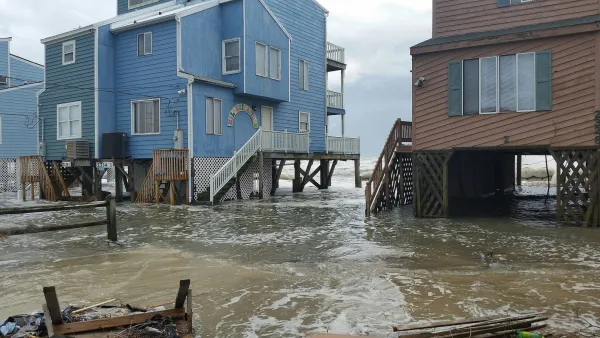
Looking Beyond FEMA Flood Maps, Cities Raise the Bar for Buildings in Floodplains
Cities across the country are developing floodplain construction standards that are more stringent than those required by FEMA.
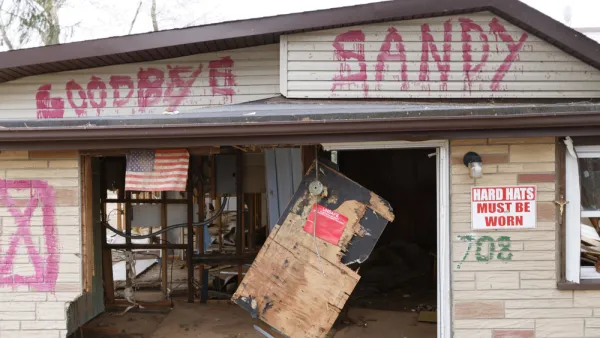
Plug Pulled on the 100 Resilient Cities Program
The largest privately funded climate-adaptation program in the United States, 100 Resilient Cities, will conclude in July.
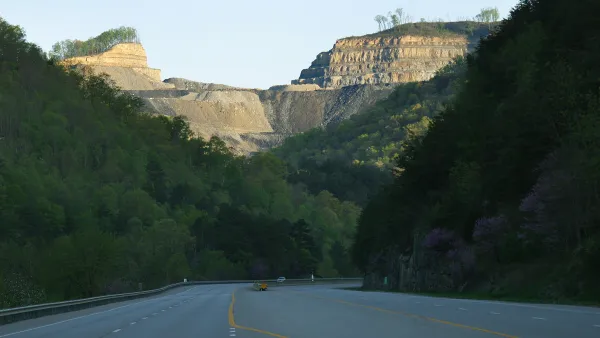
Coal Mining in Kentucky, but No Beat Reporters to Cover It
Environmental reporting has been one of the major casualties as newspapers downsize, particularly in places where the in-depth coverage is most needed.
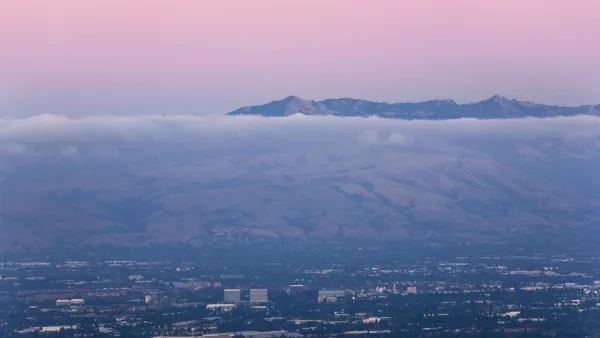
Housing Crisis Derailing California's Climate Strategy
In a powerful opinion in The New York Times, state Senator Scott Wiener and UC Berkeley energy professor Daniel Kammen make the case that transportation emissions are rising in the Golden States because of the shortage of housing in coastal cities.
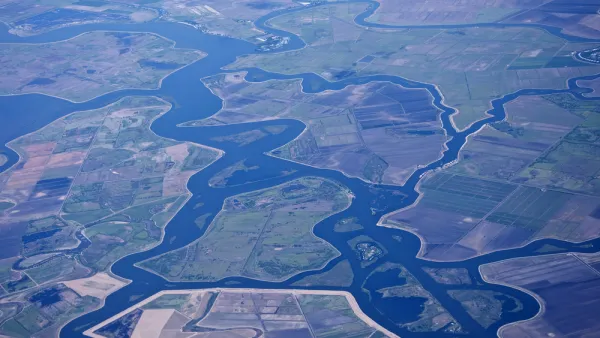
California Resists Federal Efforts to Roll Back Environmental Regulations
California is pushing back against federal actions by enforcing state rules and standards that it says have precedence.
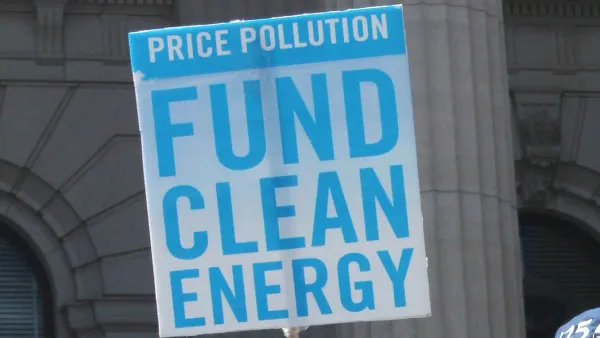
Report: Most U.S. Coal Plants Uncompetitive with Renewables
The report heralds increased shuttering of coal-burning powered plants due to cheaper alternatives. Almost three-quarters of coal-burning power plants today are more costly to operate than renewable facilities. In six years, it jumps to 86 percent.
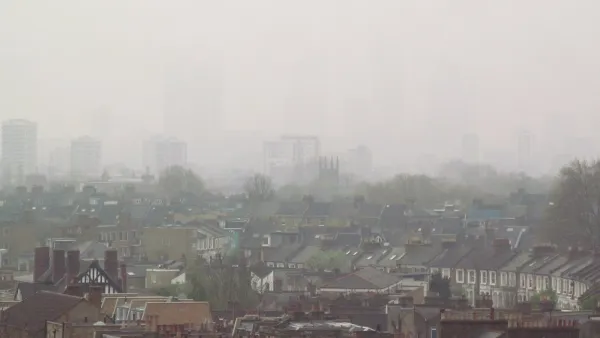
Polluting Cars Will Have to Pay to Drive Into London, Starting in April
London's 'Ultra Low Emission Zone' is taking effect in April. Here are the details on the ambitious clean air plans.
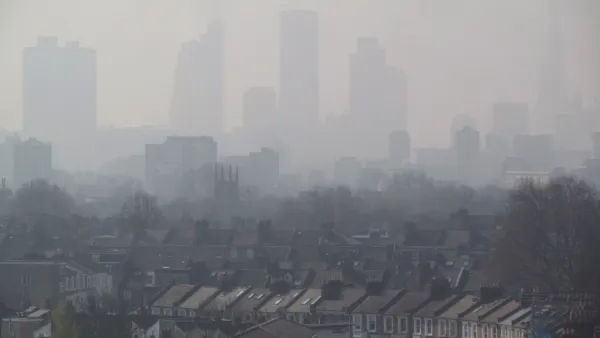
Crisis Response Afforded Aviation Fatalities But Neglected for Automobile Tragedies
The Globe and Mail editorial board points out the obvious hypocrisies of the global response to an aviation tragedy relative to the ongoing tragedies that occur every day as a result of the world's reliance on automobiles.
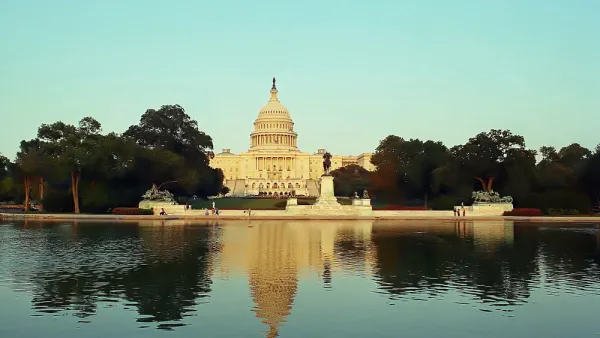
Senate Votes 0–57 to Rebuff Green New Deal
Not one Democratic senator, including sponsor Ed Markey (Mass.), voted on Tuesday to support the resolution "recognizing the duty of the Federal Government to create a Green New Deal." Instead, most, but not all, Democrats voted "present."
The Race to Become the First State to Ban Polystyrene Food Containers
Both Maryland and Hawaii are in a race to become the first state to ban polystyrene food containers and beverage cups. The Maryland bill passed the legislature March 12 and awaits a decision by Republican Gov. Hogan. Too early to tell on Hawaii.
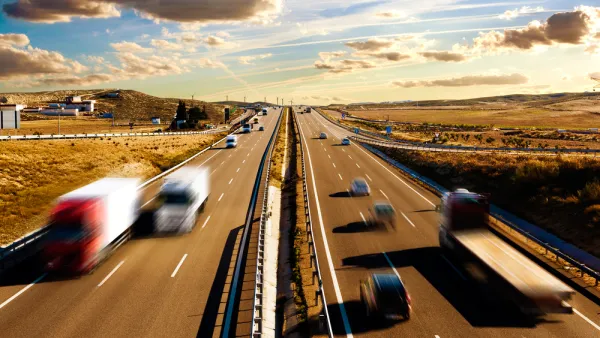
Replacing Diesel-Powered Trucks With Natural Gas, Hybrid, and Battery Power
The U.S. Department of Energy, in partnership with the California Energy Commission and the South Coast Air Quality Management District, awarded $18 million to nine companies and universities to advance natural gas technology for trucks.
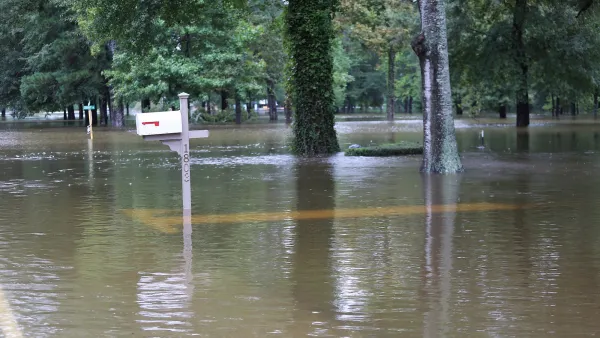
Black Towns Face Threats From Flooding and Buyouts
Many of the historic towns would disappear if flood buyout programs force residents to relocate.
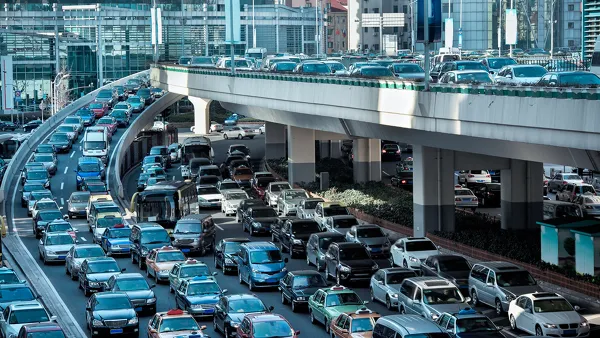
Opinion: Even the Green New Deal Repeats the Same Old Sprawling Mistakes
With infrastructure and housing prices in the national discussion more than ever before, the federal government still doesn't seem ready to really change its ways.
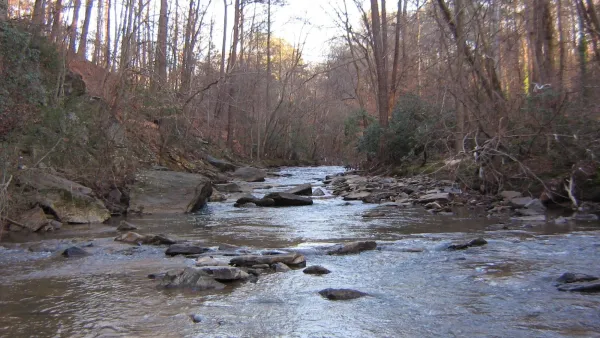
Environmental Impact Bond to Fund Atlanta Watershed Projects
The bonds finance new green infrastructure projects that otherwise would be considered too risky.
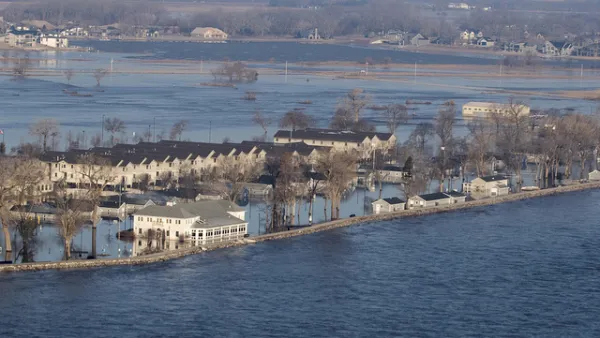
Vital Lessons From the Midwest Bomb Cyclone and Flooding of 2019
The floodwaters still haven't subsided in parts of the Midwest, and lessons about climate change, extreme weather and proactive planning are badly needed to avoid similar catastrophes in the future.
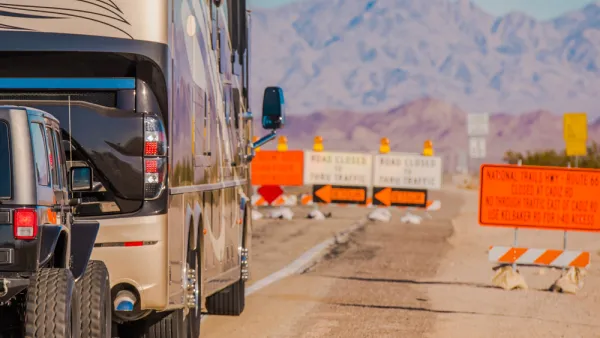
Bipartisan Support for Federal Diesel Emissions Reduction Bill
Established in 2005 to reduce toxic diesel emissions, the Diesel Emissions Reductions Act expired in 2016. A bipartisan effort appears to be in place to see it reauthorized this year.
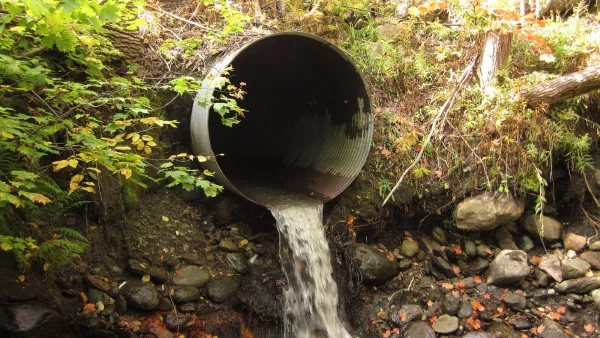
Washington State Needs Funding to Address Culvert Issue
Orcas and tribes depend on salmon, but culverts are blocking the fish from reaching breeding grounds. The state is struggling to come up with funding to remove and repair the infrastructure.
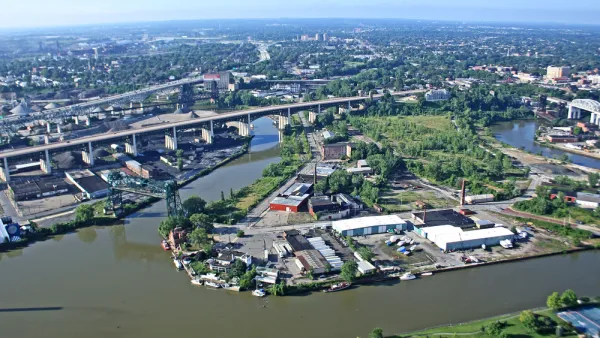
The Cuyahoga River Once Caught Fire, Now its Fish Are Safe to Eat
An environmental success story from Ohio.
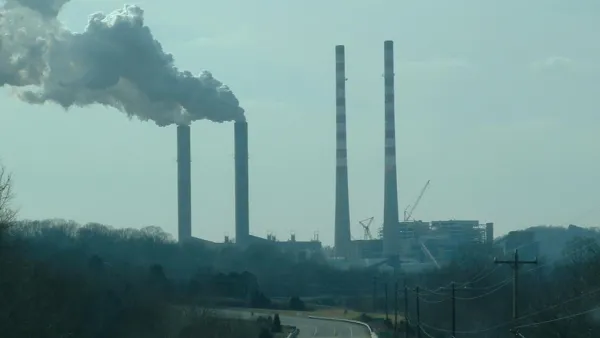
A New Look at Causes and Effects of Pollution, From Production to Consumption
Research shows racial disparities in exposure to air pollution as well as consumption of the goods and services that cause it.
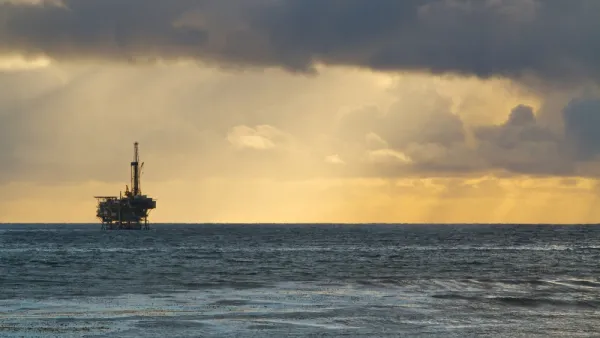
At World Oil Conference, No One Questioned Climate Change Science
During the CERAWeek conference held earlier in Houston, oil companies were not of one mind when it came to the future of their industry, with some saying transportation will be electrified while others maintained oil will continue to dominate.

FREE Course: Walkable City 1: Why Walkability?
After describing his path towards focusing on walkability as the essence of good planning, Jeff Speck marches through his five principal reasons for making more walkable places.
Reinventing Malls: Planning Alchemy—Turning Gray Fields Into Gold
The course focuses on the opportunities and imperatives that shape reinvention of mall sites.

City of Rosemead
Rutgers University, Edward J. Bloustein School of Planning and Public Policy
One Hundred Miles
University of Michigan School for Environment and Sustainability (SEAS)
Hunter College, City University of New York (CUNY)
The Architects Foundation
City of Cambridge
The Pocatello Development Authority
The Urban Renewal Agency of the City of Pocatello









