Energy

Caltrain Introduces Electric Train Fleet
The Bay Area agency will switch to all electric trains by the end of September.

Study: Retrofitting Old Buildings Has Lower Total Carbon Footprint Than New Construction
A study of over a million Chicago buildings assessed their ‘embodied carbon’ footprint over their lifetimes, showing that demolishing an old building in favor of a new one almost always produced more emissions.
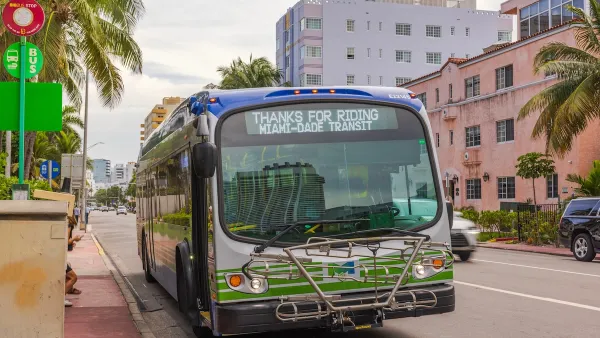
Miami-Dade Building Electric Bus Operations Center
The 20-acre facility will help the county reach its goal of electrifying 20 percent of its bus fleet.
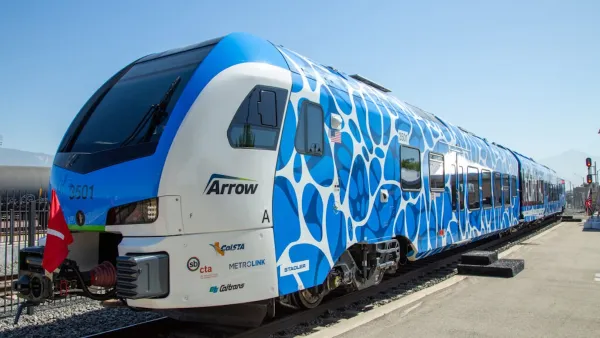
Hydrogen-Powered Train to Launch in Southern California
The 9-mile rail line could be a welcome breath of fresh air for one of the region’s most polluted communities.

Renewable Energy Under Pressure: Lessons on Grid Resilience in Extreme Weather From Texas and California
How preparation and modern infrastructure can prevent power failures in an era of climate change.

BLM Proposes Opening 31 Million Acres of Public Lands to Solar Development
The Biden administration has released a proposal that would open tens of millions of acres in 11 Western states to solar development, a move that has clean energy advocates celebrating and environmental groups concerned.
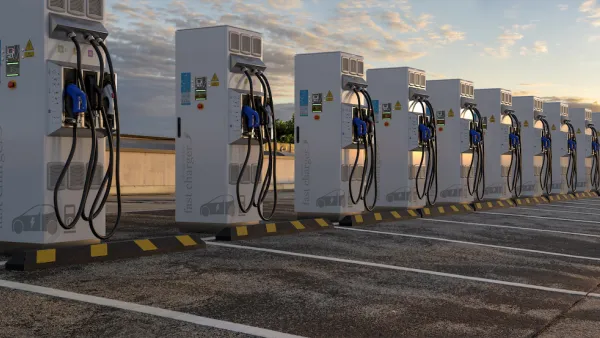
California Secures $150 Million for Expanding Electric Vehicle Charging Infrastructure
The Golden State has received almost $150 million from the U.S. Department of Transportation to build over 9,200 EV charging ports, bolstering the state’s efforts to expand zero-emission vehicle infrastructure and reduce greenhouse gas emissions.

Solar Panels Coming to a Self-Storage Facility Rooftop Near You
The sixth-largest self-storage company in the United States will add solar panels to 8.5 million square feet of its facilities’ rooftops to produce community solar power.

Texas Earthquakes Linked to Fracking
A new study reveals earthquakes that began at shallower depths than previously thought are associated with wastewater disposal sites from fracking operations.
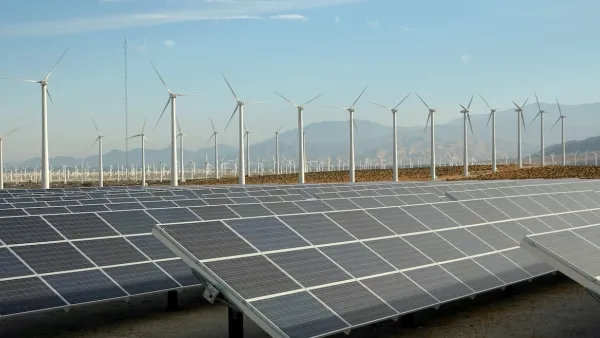
California’s Shift to Renewables: Successes and Challenges
The state aims to run on 100 percent renewable energy by 2045.
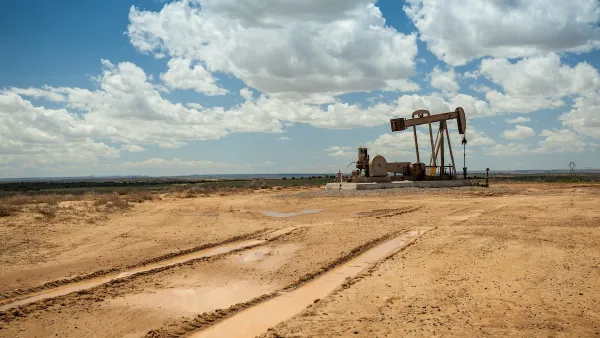
High Ozone Levels Threaten New Mexico Oil Town
The small community of Loving, New Mexico has higher ozone levels than dense cities like Los Angeles.
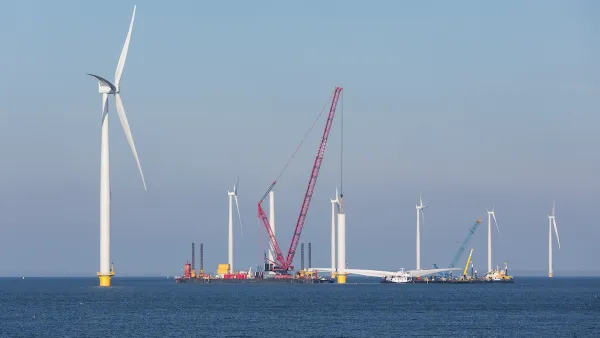
US Offshore Wind Industry Gains Momentum
Federal support for offshore wind projects is helping the industry grow, with nine projects approved so far this year.
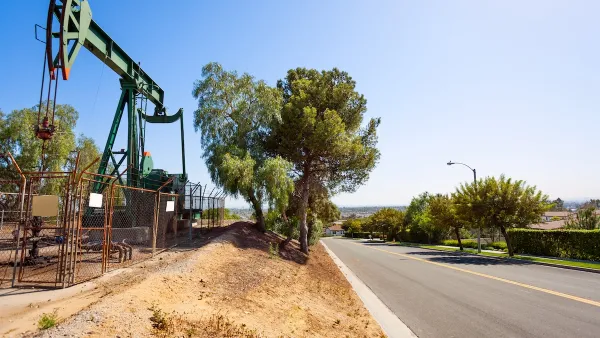
California Could Extend Oil Well Monitoring Deadlines
Legislators are considering extending the deadline for new oil well safety regulations by up to 54 months, sparking controversy over whether the delay benefits the oil industry at the expense of public health.

Sustainable Urban Design: A New Tool and Approach on The Talking Headways Podcast
Discover how the Sustainable Urban Design Framework helps planners create livable, sustainable communities. Nico Larco from the University of Oregon explores a new tool and book in the latest “Talking Headways” podcast.
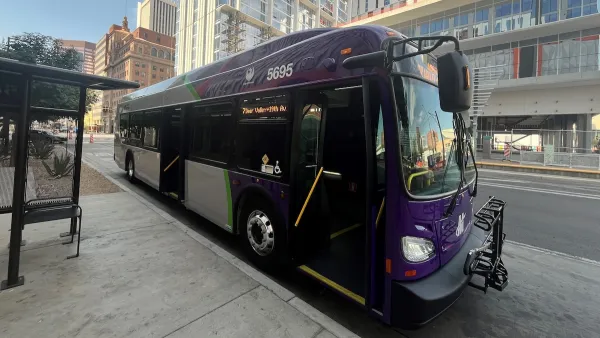
Phoenix Launches Hybrid Bus Fleet
The city aims to have a zero-emissions transit fleet by 2040.

States Claim Highway Expansions Reduce Emissions
The argument is being used to channel climate funding to projects that expand automobile infrastructure, according to an analysis from Transportation for America.
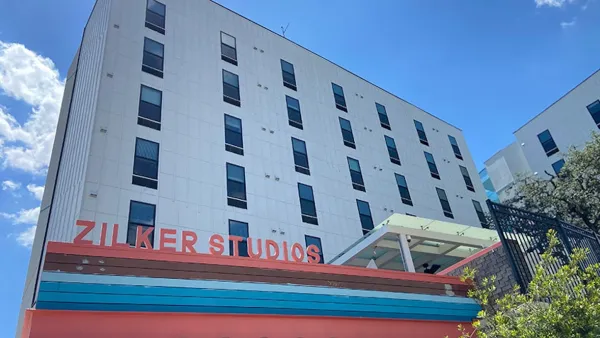
What Makes Affordable Housing Green?
There's no one way to determine what makes “green” housing. Here's a breakdown of the standards and considerations used by the affordable housing industry.

Data Centers Gaining Ground in Central Ohio
Massive data centers are gobbling up energy resources and tax breaks while creating few jobs in the region.

Beating Extreme Heat Through Community Efforts
U.S. cities don't provide residents with enough protection against heat, the deadliest weather-related killer in the world. In New York City, one organization came together to distribute ACs to neighbors in need.
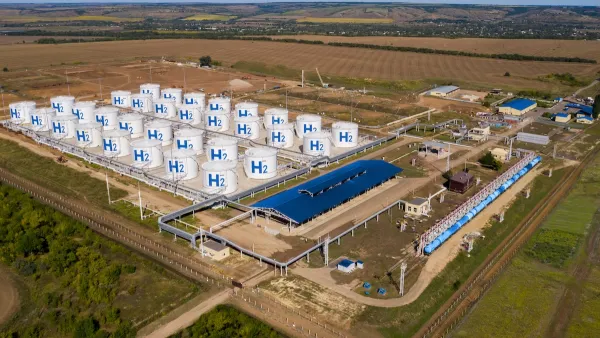
First Federal Funding for Hydrogen Hubs Awarded to California and Pacific Northwest
The U.S. Department of Energy announced on July 17 that the first grant to build the nation's seven proposed 'hydrogen hubs' would go to California. The ultimate goal is to decarbonize transportation fuels used in port operations.

FREE Course: Walkable City 1: Why Walkability?
After describing his path towards focusing on walkability as the essence of good planning, Jeff Speck marches through his five principal reasons for making more walkable places.
Reinventing Malls: Planning Alchemy—Turning Gray Fields Into Gold
The course focuses on the opportunities and imperatives that shape reinvention of mall sites.

City of Rosemead
Rutgers University, Edward J. Bloustein School of Planning and Public Policy
One Hundred Miles
University of Michigan School for Environment and Sustainability (SEAS)
Hunter College, City University of New York (CUNY)
The Architects Foundation
City of Cambridge
Montrose County
The Pocatello Development Authority









