Energy
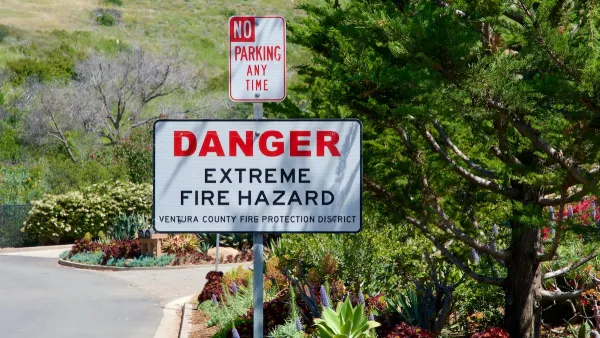
Rising Temperatures and the Escalating Wildfire Crisis
Rising global temperatures driven by climate change are intensifying and prolonging wildfire seasons worldwide, necessitating improved forest management, public awareness, and urgent action to reduce fossil fuel emissions.
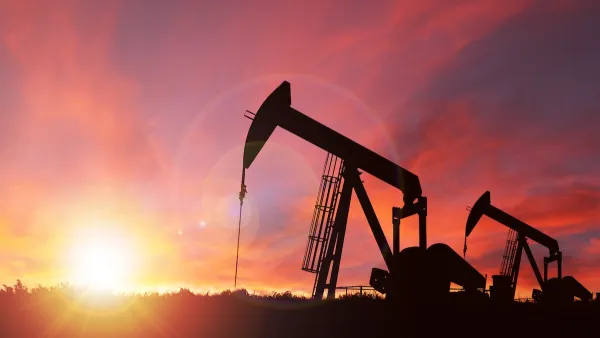
Upcoming Conference Spotlights California's Orphan Wells
The 2025 Orphan & Idle Wells California Conference will address the environmental, economic, and public health challenges of abandoned oil and gas wells, focusing on remediation strategies, regulatory frameworks, and community-centered solutions.
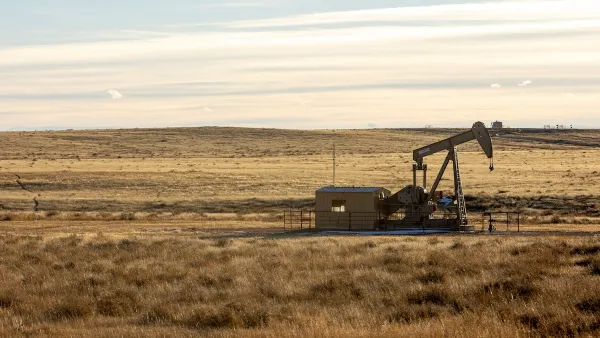
Reclaiming Oil Wells for Renewable Energy in Rural Colorado
A company is seeking to repurpose abandoned oil wells in Pierce, Colorado, to create a cost-effective geothermal energy system that could heat and cool local buildings, reduce emissions, and serve as a model for sustainable energy nationwide.
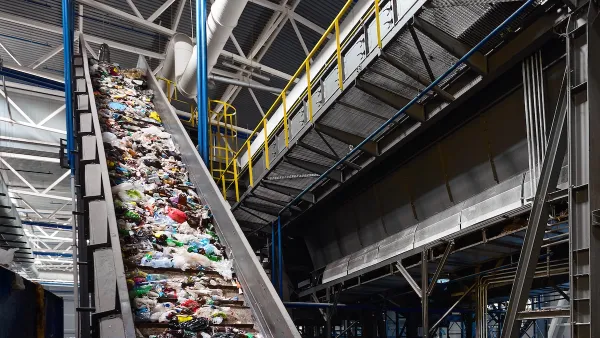
Recycling’s Real Impact: Challenges, Misconceptions, and the Path Forward
Recycling offers modest environmental benefits but faces significant challenges in effectiveness and scalability, requiring systemic changes like reducing plastic production and exploring alternative waste reduction strategies.

Washington Tribes Oppose Wind Project
Tribal communities claim that a major wind energy project threatens sensitive cultural and environmental resources.

Smart Cities and Utilities: Enhancing Energy Efficiency Through IoT Integration
Learn how IoT integration in utilities is boosting energy efficiency in smart cities, aiding urban planners in sustainable development.
Planetizen’s Top Posts of 2024
The most-read articles on Planetizen in 2024.
Silent Threat: America’s Abandoned Oil Wells and the Danger Beneath
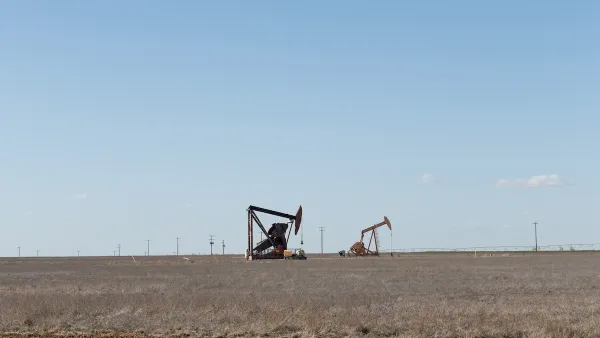
Abandoned oil and gas wells across the U.S. pose significant environmental, health, and safety risks, with many leaking hazardous gases and chemicals, highlighting regulatory failures and the immense financial burden of remediation.
AI Uncovers Forgotten Oil Wells: A High-Tech Solution to Environmental Hazards
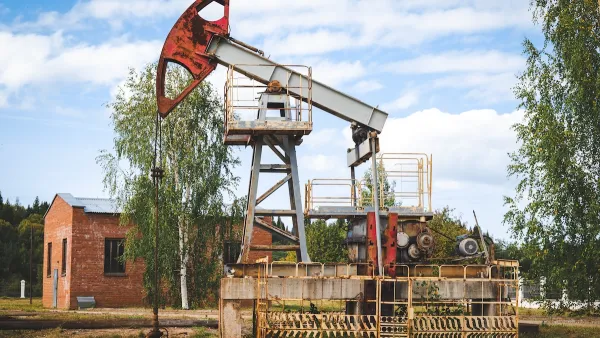
Researchers are using artificial intelligence, drones, and sensors to locate and assess undocumented orphaned oil and gas wells, addressing their environmental and climate risks by identifying high-priority sites for plugging and methane mitigation.
Federal Government May Make About-Face on EV Purchases
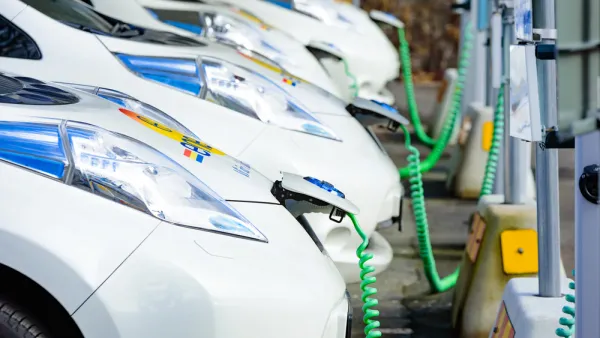
The incoming administration appears poised to slash funding for electric vehicles and charging infrastructure.

Barcelona Metro Uses Regenerative Braking to Power Stations, Charge EVs
Energy created when trains brake is harnessed to power the trains themselves, station infrastructure, and street-level electric car chargers.
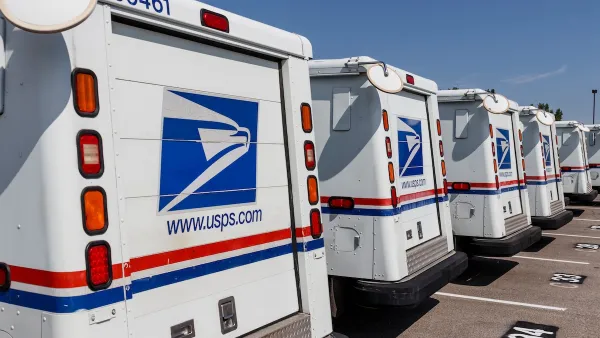
USPS Electrification Project Far Behind Schedule
The manufacturer of the electric mail trucks ordered by the Postal Service is plagued by problems that are slowing production to around one truck per day.
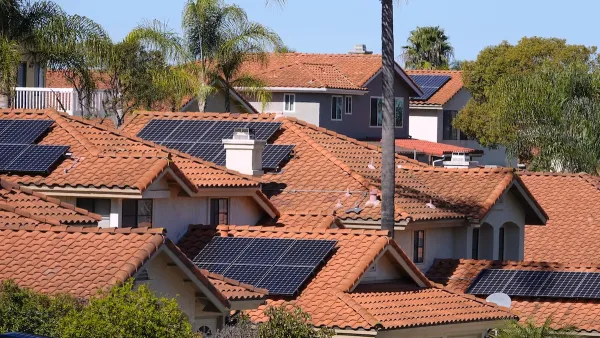
California Leads in Solar Rooftops
A combination of state and local incentives and building code mandates has helped California far outpace other states in residential rooftop solar permits.
Busting Common Planning Myths
Will removing parking minimums put a strain on existing parking supply? Are long-range traffic forecasts the best tool to guide decisions about our streets? Are one-way streets better than two-way streets?

Retrofitting Old Cities for Sustainability
Explore strategies for retrofitting old cities to enhance sustainability while preserving historical integrity and managing logistical challenges.
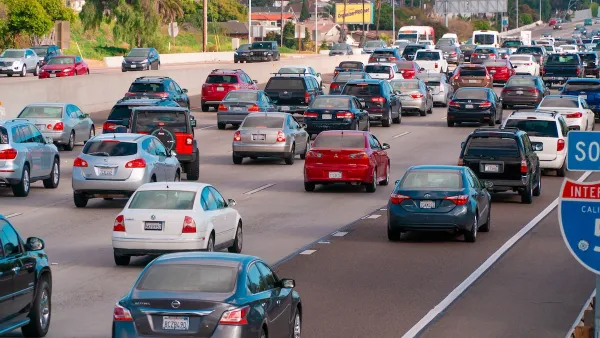
Why Traffic Never Gets Better
Despite abundant research showing that roadway expansions provide limited congestion relief and increase long-term traffic problems, they still occur due to wishful thinking: advocates claim that “this” project is different.

Rivian Joins Movement Toward Universal EV Charging
As more automakers like Tesla, Ford, and Rivian make their charging infrastructure compatible, the shift could lead to the faster development of a nationwide EV charging network.

Freedom to Move: Investing in Transportation Choices for a Clean, Prosperous, and Just Future
This Union of Concerned Scientists study examines why and how to improve resource-efficient travel options to achieve diverse goals. It estimates that more efficient transport could save up to $201 billion in energy and $128 billion in health costs.

Harnessing Waste Heat Through Thermoelectricity
Heat from industrial installations and buildings can be captured to create renewable electricity.
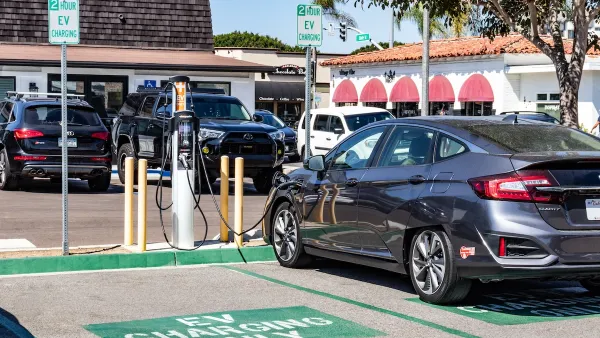
California Governor Vows to Protect EV Credits
If the federal government eliminates the tax credit for electric vehicles, the governor will need legislative support to restart a state-level incentive program.

FREE Course: Walkable City 1: Why Walkability?
After describing his path towards focusing on walkability as the essence of good planning, Jeff Speck marches through his five principal reasons for making more walkable places.
Reinventing Malls: Planning Alchemy—Turning Gray Fields Into Gold
The course focuses on the opportunities and imperatives that shape reinvention of mall sites.

City of Rosemead
Rutgers University, Edward J. Bloustein School of Planning and Public Policy
One Hundred Miles
University of Michigan School for Environment and Sustainability (SEAS)
Hunter College, City University of New York (CUNY)
The Architects Foundation
City of Cambridge
Montrose County
The Pocatello Development Authority









