Community / Economic Development
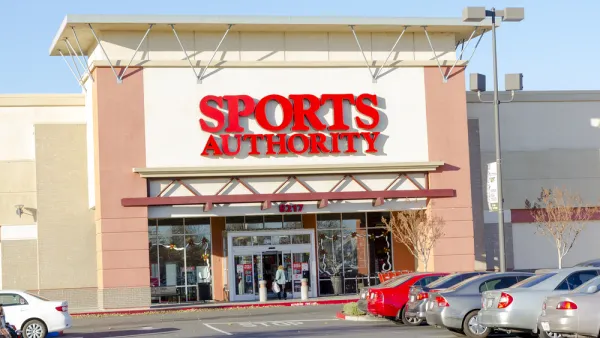
This Month's Bad News for Retail Could Be of the Fundamental Variety
The retail sector got a wake up call this month.

Orlando's Stadium Finds a New Route to Public Funding
The owner of the MLS's Orlando City soccer team has found an innovative way to finance his team's new $156 million stadium, funded by foreign buyers of American green cards.
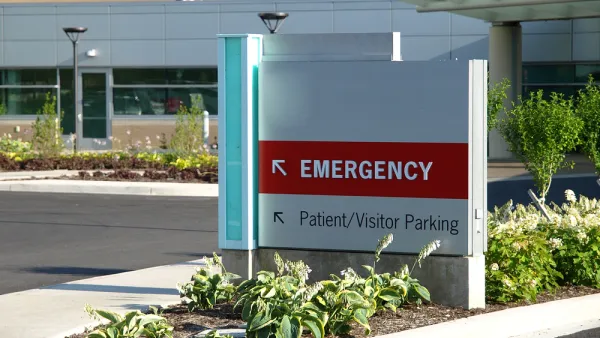
A Missing Conversation: Medical Centers and the Built Environment
Hospitals, medical research centers, and the like are supposed to represent health, but are often an unappealing and monolithic presence in the urban landscape. How can the form of health centers fall in line with their function?

Lessons from the Paleolithic Era for Contemporary Urbanites
Gustav Milne makes a simple argument via The Guardian: urbanization "is bad for us."
Equity, Engagement, Community: Empathy Ain't Enough
if a community planning effort is to be judged by the degree to which all voices are heard, then anything short of a big turnout is going to feel like failure. Ben Brown talks equitable engagement, and aligning promises with implementation.
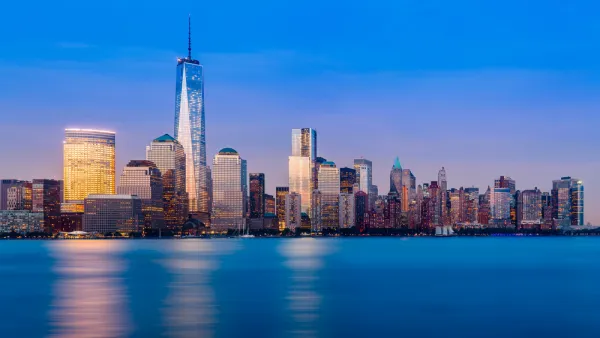
A Few Big Cities Lead the Economic Recovery
As the debate about whether people prefer to live in the suburbs or the big city rages on, data from the U.S. Census reveals a clear preference on the part of economic trends in the wake of the Great Recession.
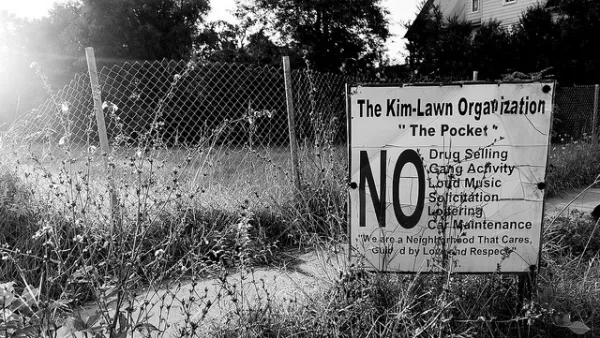
Black Flight From Gun Violence: Chicago's Loss Is Suburbia's Gain
Middle class African-Americans are fleeing Chicago due to crime, not due to being priced out, as is common elsewhere. "On average more than 10,000 African-Americans leave the city every," reports Brandis Friedman of WTTW for the PBS NewsHour.
Why Chicago Park Advocates Want to Preserve a Parking Lot
A Chicago nonprofit drew criticism for opposing the planned Lucas Museum in favor of a large parking lot. But the organization says it fits into their mission of promoting open space.
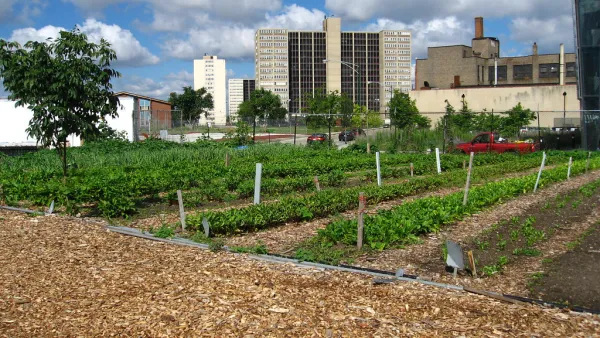
What Distinguishes a 'Real' CSA?
Community-supported agriculture (CSA) programs originally let local buyers support local growers. But with a rise in subscription-based "food box" clubs, it's getting harder to say what a real CSA looks like.
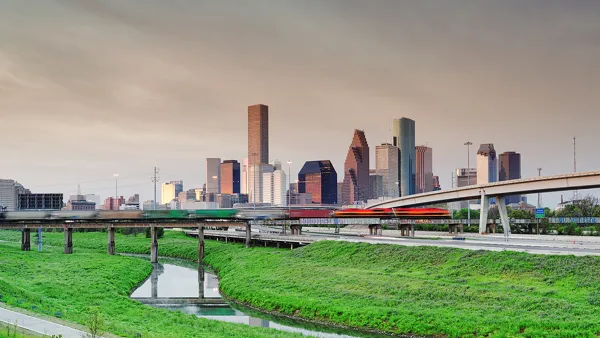
Opportunities for Urban Innovation in Houston
Kinder Institute director William Fulton discusses Houston's changing demographics and economic prospects. He sees the city as a place to pioneer and implement solutions to Sun Belt problems.
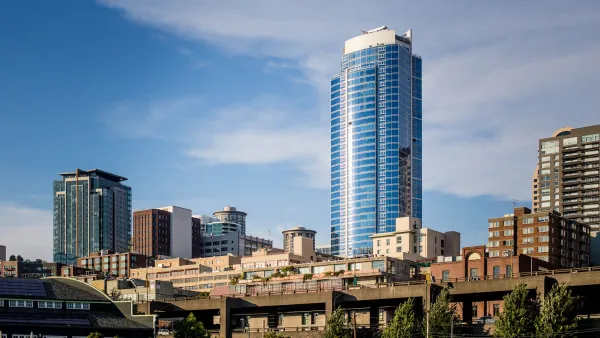
The Why and How of Locating a School in Downtown Seattle
A Seattle writer makes the case for a new school to be located in Downtown Seattle.
What Can Fort McMurray Learn from Greensburg, Kansas?
Rebuilding after a major disaster offers a unique opportunity for a community to step back and ask how it wants to build.
Creative Placemaking: Lead, Follow, AND Get Out of the Way
For governments and institutions, creative placemaking means knowing when to let go. Scott Doyon explains.
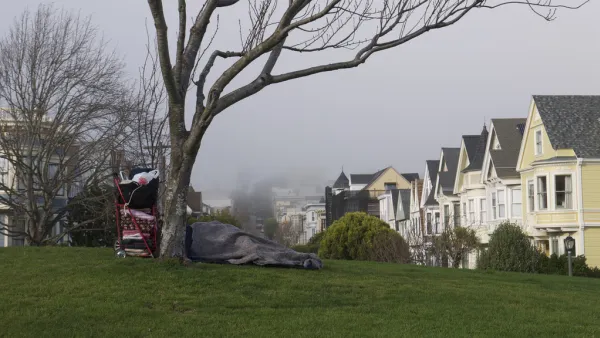
30 San Francisco Media Outlets Collaborate on Homelessness
A media blitz scheduled for June 29, 2016 will offer an unprecedented display of "solutions-oriented journalism."
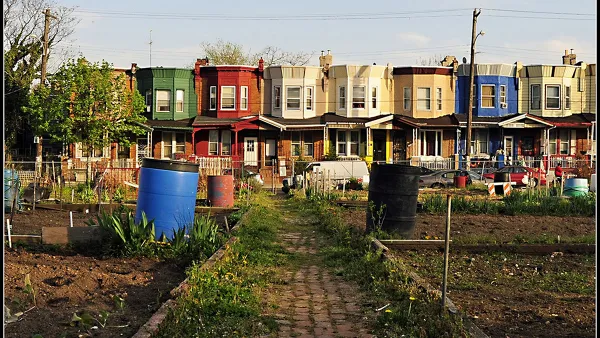
Taking Urban Agriculture For What It Is
New research suggests urban agriculture’s biggest yields are social, cultural, and educational.

Squatters Put Las Vegas Valley Residents on Edge
Squatters living in the Las Vegas Valley have taken over empty houses in struggling working-class neighborhoods and in upscale planned communities such as Summerlin.

Spokane Faces Big Decision on Future of Transit
Spokane, Washington may be at a crossroads as voters consider expanding the city's urban transportation system. Some say it's key to attracting young workers and building a walkable urban environment. Others see it as a waste of money.

London's New Mayor Finds Culture and Heritage in City's Nightlife
London's new Mayor Sadiq Khan joins a growing list of mayors who have become ardent advocates for their city's nightclubs.
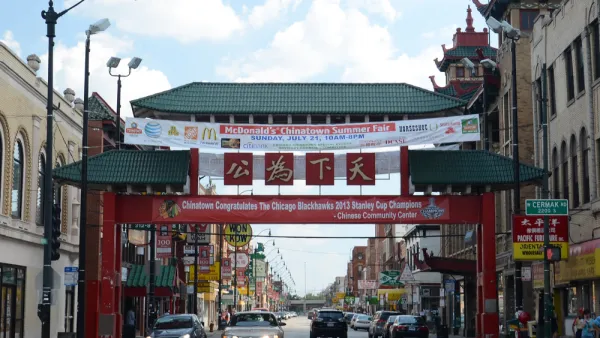
Chicago Chinatown's an Outlier of Success
While the cultural authenticity and geographic footprint of Chinatowns around the United States shrink, Chicago's is growing. What can other cities learn from Chicago's model?
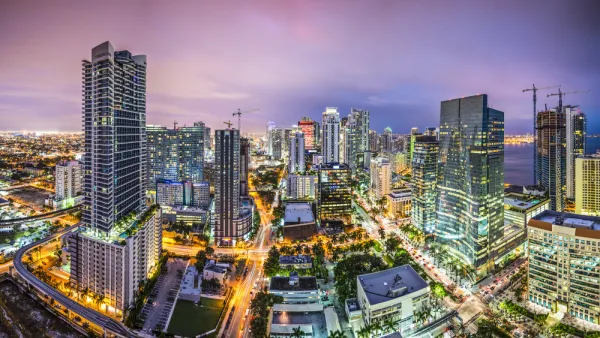
Miami's Form Based Code Touted as New Urbanist Ideal
Miami 21 overhauled an 80-year old zoning code and replaced it with a New Urbanist-style form-based code that many credit as being the key to changing development in the city.

FREE Course: Walkable City 1: Why Walkability?
After describing his path towards focusing on walkability as the essence of good planning, Jeff Speck marches through his five principal reasons for making more walkable places.
Reinventing Malls: Planning Alchemy—Turning Gray Fields Into Gold
The course focuses on the opportunities and imperatives that shape reinvention of mall sites.

City of Rosemead
Rutgers University, Edward J. Bloustein School of Planning and Public Policy
One Hundred Miles
University of Michigan School for Environment and Sustainability (SEAS)
Hunter College, City University of New York (CUNY)
The Architects Foundation
City of Cambridge
Montrose County
The Pocatello Development Authority









