Faced with increased operating costs and the end of pandemic-era federal support, many transit systems across the United States find themselves grappling with tough decisions.



This column is the sixth of a seven-part series in partnership with Chicago-based transit planner extraordinaire Joshua Woods, who authors Thoughts About Cities. Titled “Transit Planning 101,” it’s the transit planning boot camp you wish you got in planning school. Learn more about Joshua and the inspiration for the column, and read his other installments here.
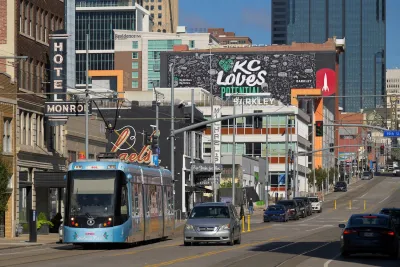
Generally, Chicagoland transit keeps me captivated enough that I listen to Wayne when it comes to transit issues away from home.

However, I’m nervous. Public transit in the United States feels like it might be on the precipice of something existential. Since the pandemic, the cost of the inputs of operating transit service (diesel fuel, operator wages, electricity) have increased. Many of the budgets for operating transit service have not. With pandemic relief funding drying up, transit authorities across the nation are being forced to reconcile with some ugly questions.
- Can we still afford to run the bus?
- Do we have the political capital (and public support) to ask for more money if the answer is no?
- What is the cheapest option to avoid this question?
I don’t envy this position. Faced with this question, some places are passing additional funding, some are finding gap funding, and some are playing chicken.
Some places are just making those cuts. I grew up in one of the places opting to just make the cuts.
Indebus (Independence, MO)
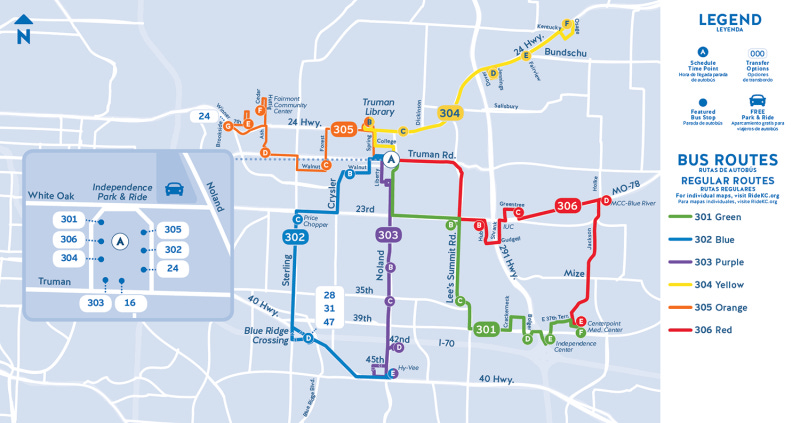
I live in Chicago, but I grew up in Kansas City, MO.1 My first professional experience with transit was dispatching for Indebus, the fixed route transit system serving Independence, MO. Indebus operated six bus routes that ran every 1-2 hours,2 plus ADA paratransit service.
As a dispatcher, I made sure all routes were staffed, kept tabs on the timeliness of the fixed route buses, scheduled rides for the paratransit buses and manned the customer service line. This was easily a two person, if not a three person job.3 Indebus could afford to hire one person.4 It was chaos.
After that summer, I knew transit was the line of work for me.
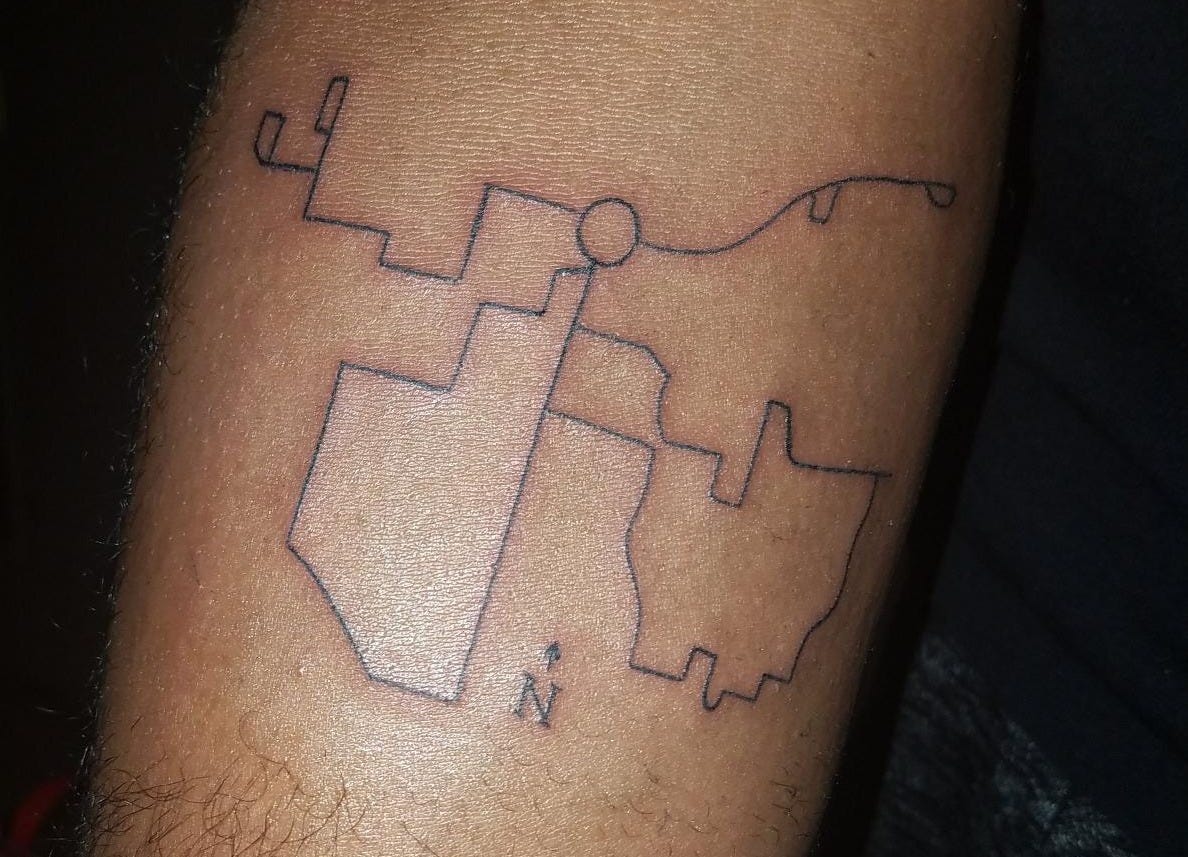
In January, 2025, faced with increased transit operating costs, Indebus suspended all fixed route service and replaced it with a six-month Microtransit pilot program to test its feasibility for replacing fixed route service.
RideKC (Kansas City, MO)
On March 26th, 2025, RideKC announced a series of public meetings to discuss potential changes to their bus network. These changes include the elimination of 13 of their 29 routes, the elimination of weekend service on all but 7 of their routes, and weekday frequency reductions on 1 of their 3 MAX lines.
The reason for these changes? From the press release:
“Proposed service reductions are a result of the increased cost of providing public transit in the post- COVID years and the depletion of federal pandemic funds.”
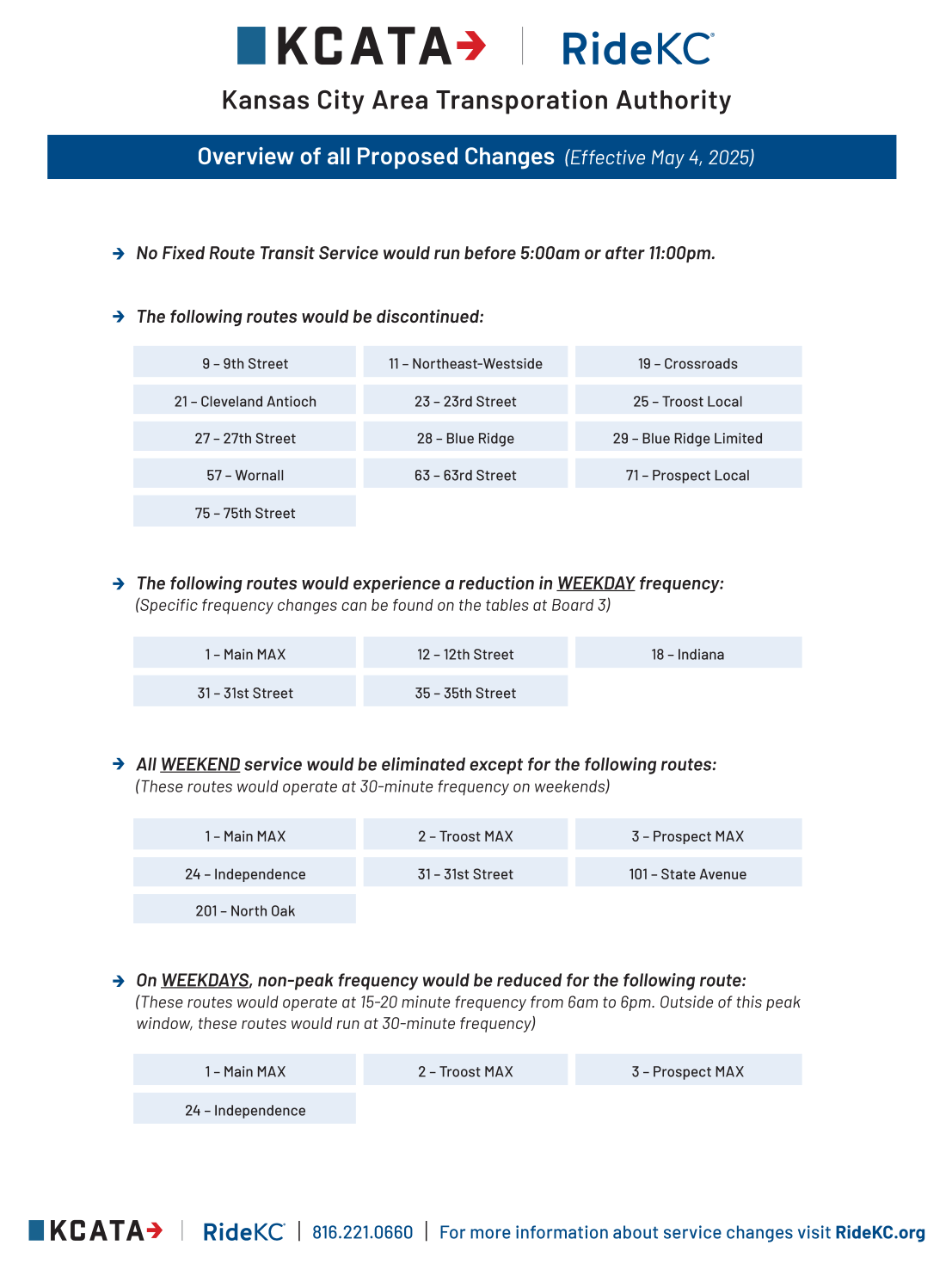
If the plan presented in public meetings had moved forward, beyond the passengers left without a ride, over 100 bus drivers were expected to be laid off as a result of this change.
In August 2025, The Kansas City Area Transportation Authority Board of Commissioners unanimously approved a 12 month operating contract that preserved existing bus service, and reinstated bus fares at $2 per ride.6
In October 2025, the agency held their inaugural MovingKC Regional Mobility Summit to “convene regional leaders, elected officials, business stakeholders, and transportation advocates to explore new funding strategies that support a stronger, more unified regional transit system.”
So what’s the point?
The annual cost of owning and operating a car in the US is about $13k/year. Public transit lets you opt out of bearing this expense.
Wherever you live, parking probably sucks in the most in-demand neighborhoods. Public transit lets you opt out of finding parking.
Around 40k people die in traffic crashes each year in the United States. Transit lets individuals inside and outside of cars opt out of this carnage.
Municipal budgets are getting tight, leaving many localities forced to pick the services they think are important to provide, and dump the rest. This puts transit on the chopping block across the nation. For bigger cities where transit is more widely adopted, or cities of all sizes where transit is valued politically, new funding sources will emerge. To find and maintain support for that funding, these places need to lean into the 5:1 rule and ensure the service they deliver is frequent, reliable, and well designed.
In places where transit is less valued politically, transit’s future is less certain. For places uninterested in spending more on transit, but unwilling to bear the political weight of cutting service altogether, microtransit might be an appealing solution — more on Microtransit in my next and final installment of this series. If overall demand is low, microtransit might actually be a valid substitute. However, microtransit has a much lower capacity than traditional fixed-route transit. If the bus lines that microtransit service is attempting to replace carried more than 5 passengers per hour, microtransit service is probably going to be overwhelmed.7

In places where budget allocations for transit are unlikely to change, overwhelmed microtransit might be best case scenario in a lose-lose game.
I hope I’m wrong.
1 Not Kansas. It’s a touchy subject if you grew up in Kansas City. 🫣
2 The orange and yellow lines share a bus, with one route running every even hour and the other running every odd hour.
3 As a cherry on top, the depot only had dial up. Manning the customer service line was mostly figuring out where people were based on landmarks (as they described them) and waiting for Google Maps to tell me where that actually was.
4 I was actually an intern technically. We needed two dispatchers; one to cover the AM shift and one to cover the PM shift. It was cheaper to just have me cover the AM.
5 Here’s a Transit Cooperative Research Program (TCRP) review of Microtransit.
6 RideKC stopped collecting fares in March 2020. Before this, but fare was $1.50 per ride
7 Indebus routes were at 13-15 passengers per hour before service was suspended.

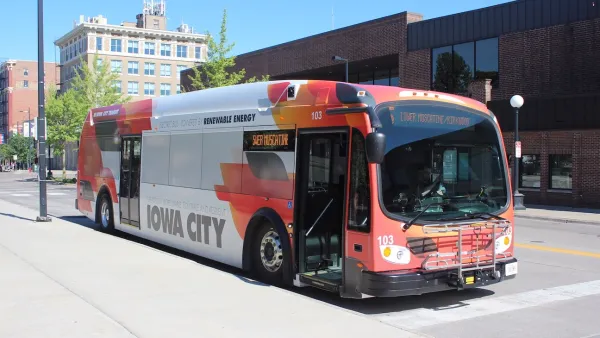
Iowa City's free bus program made ridership spike by 68%. Now, it could go away.
The bus system gained roughly 700,000 new riders since it launched free service in 2023.
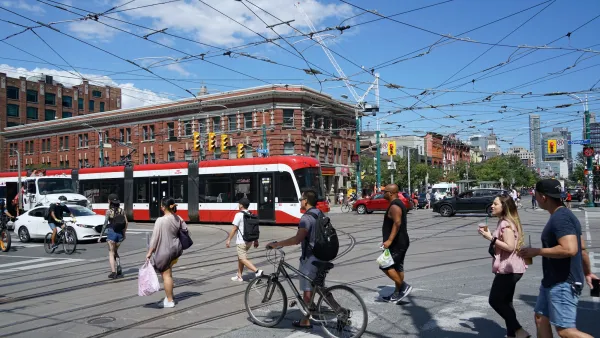
Why is Canada’s Public Transit so Much Cheaper — and Better — Than the United States’?
The answer lies largely in political will.
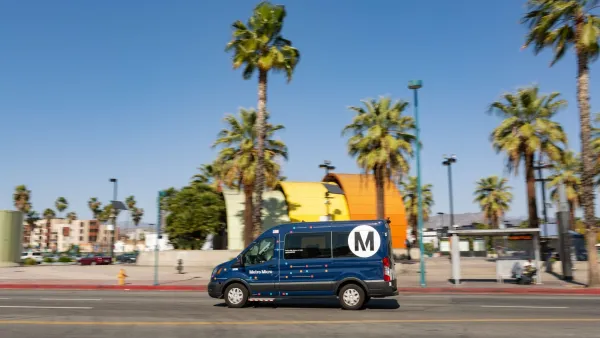
It's a Bus! It's a Van! It's… Microtransit?
Microtransit is in vogue. Cultivating a strong understanding for what it can and can't do will help prevent you from getting rizzed up by this charismatic mode of transportation.

Planetizen Federal Action Tracker
A weekly monitor of how Trump’s orders and actions are impacting planners and planning in America.

Data reveals that NYC’s bet on congestion pricing has paid off
After almost two years of the program, reports show positive impacts on traffic and air quality and no disruptions to parking.
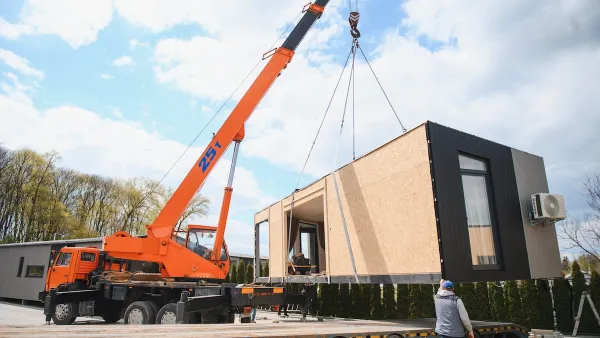
HUD modernizes 50-year-old manufactured housing framework
The Next Generation Manufactured Housing Action Plan establishes new energy-efficiency standards for manufactured homes, and new guidelines for anchoring them.

Florida could lose billions in funding for infrastructure, parks
If Amendment 3 passes, Miami-Dade would lose about $445 million annually by fiscal year 2028-29.

New Mexico spent millions drafting climate goals. Data centers are unraveling them
Three data centers in New Mexico and El Paso will release more emissions yearly than 2 million cars in the same timeframe.

This Ohio town is using AI to speed up transit analysis
The Greater Dayton Regional Transit Authority’s new AI tool correctly determined riders’ preferred ways to reach key commuter routes.

FREE Course: Walkable City 1: Why Walkability?
After describing his path towards focusing on walkability as the essence of good planning, Jeff Speck marches through his five principal reasons for making more walkable places.
Reinventing Malls: Planning Alchemy—Turning Gray Fields Into Gold
The course focuses on the opportunities and imperatives that shape reinvention of mall sites.

Rutgers University, Edward J. Bloustein School of Planning and Public Policy
One Hundred Miles
County of Mendocino
The Architects Foundation
University of Cincinnati Online
Montrose County
Northern Illinois Transit Authority (NITA)
The Pocatello Development Authority

