Three data centers in New Mexico and El Paso will release more emissions yearly than 2 million cars in the same timeframe.


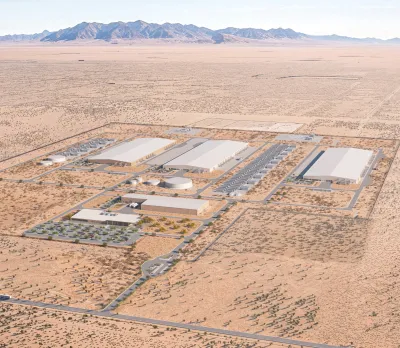
Months ago, New Mexico and El Paso spent millions to draft reports on how their respective regions could address climate change and lower greenhouse gas emissions. Neither plan took data centers into account. Oracle is building one of the largest data centers in the country in New Mexico; two more are planned for El Paso. These three data centers will release more yearly emissions than 2 million cars in the same timeframe.
Diego Mendoza-Moyers writes for El Paso matters:
The data centers are “going to undo a lot of the very expensive and very meaningful work a lot of people are doing,” New Mexico state climatologist Dave DuBois told El Paso Matters.
The data centers will also release nitrogen oxides and particular matter, which are harmful to people. While El Paso’s data centers will be minutes from New Mexico, because they will be located in Texas, New Mexico officials cannot regulate their air pollution or noise.
Read the full story: El Paso and New Mexico set ambitious climate goals. Their plans didn’t account for massive new data centers


Data center developers are using lawsuits, cash offers to ‘overwhelm’ rural America
Newsrooms in five states worked together to uncover the tactics big tech developers use to buy land from reluctant communities.
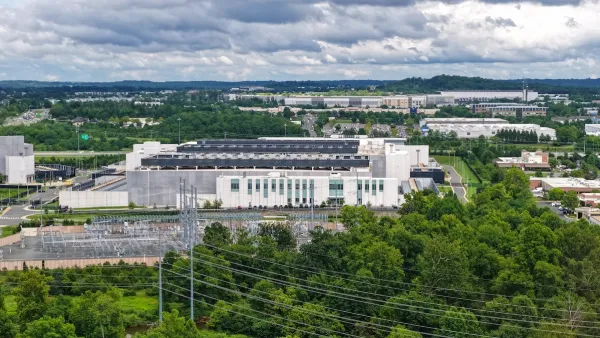
Data center backlash set to sway midterm elections
Data centers figure in state and federal races and are the subject of dozens of ballot measures.

Despite tough talk from Abbott and Paxton, Texas penalties for data center violations are light
Texas officials are promising tougher enforcement on data centers, but the existing law may offer limited leverage over the industry that has largely failed to report its water use.

Planetizen Federal Action Tracker
A weekly monitor of how Trump’s orders and actions are impacting planners and planning in America.

Data reveals that NYC’s bet on congestion pricing has paid off
After almost two years of the program, reports show positive impacts on traffic and air quality and no disruptions to parking.

HUD modernizes 50-year-old manufactured housing framework
The Next Generation Manufactured Housing Action Plan establishes new energy-efficiency standards for manufactured homes, and new guidelines for anchoring them.

This Ohio town is using AI to speed up transit analysis
The Greater Dayton Regional Transit Authority’s new AI tool correctly determined riders’ preferred ways to reach key commuter routes.

Yet again, Seattle’s density zoning update is hit with delays
The city must now examine the ‘maximum possible development’ under a future zoning scenario, rather than the ‘maximum likely development.’

In the heart of suburbia, a Utah developer is building a high-density downtown from scratch
The project faces criticism from some city council members, who say the private developer is using taxpayer dollars to turn a profit.

FREE Course: Walkable City 1: Why Walkability?
After describing his path towards focusing on walkability as the essence of good planning, Jeff Speck marches through his five principal reasons for making more walkable places.
Reinventing Malls: Planning Alchemy—Turning Gray Fields Into Gold
The course focuses on the opportunities and imperatives that shape reinvention of mall sites.

One Hundred Miles
County of Mendocino
planning NEXT
The Architects Foundation
University of Cincinnati Online
Montrose County
Northern Illinois Transit Authority (NITA)
The Pocatello Development Authority