The first in a series of posts reflecting on urbanism and rebuilding efforts in Ukraine following the Russian invasion in 2022.



This is the first in a series of posts reflecting on urbanism and rebuilding efforts in Ukraine following the Russian invasion in 2022.
I have learned that war is noise. The drums of war are deafening here in Kyiv and in other Ukrainian cities, with constant air raid sirens and explosions as the air defense shoots down incoming Russian missiles. Occasionally a missile makes it through, rocking the entire neighborhood and triggering shrieking car alarms. And there’s the groan of military and aid vehicles rumbling through the streets.
But if you listen closely, below that thunderous percussion, a quiet orchestra of string instruments is playing.
I came to Ukraine in 2022 after receiving an appeal from urban planning colleagues asking me if I could bring used bicycles to the country. I responded immediately and eagerly. Little did I know that I would end up dedicating two and a half years — and counting — to helping the people of Ukraine with both bicycles and urbanism.
The music started with the arrival of used bicycles, which are now used to deliver humanitarian aid, food, water, and medicine to the most vulnerable citizens in the most devastated areas. Social workers and volunteers pedal tirelessly in over 35 cities and towns on bicycles laden with essential goods. A long list of urbanism and architecture projects now contribute to the orchestra.
I have seen the power of urbanism in my work shaping the urban landscape in over 100 cities around the world. Now I am using the skills and experience gained from that work to help the people of Ukrainian cities. My time in Ukraine, however, has been a continuous series of epiphanies, both personal and professional. It is at once inspiring and humbling.
I have learned that urbanism is about more than designing and building life-sized cities. It isn’t just about designing streets or public spaces — it is an integral tool for survival. Amid the chaos of air raid sirens and missile strikes, something as simple as planting a tree with your neighbours becomes a pivotal act that removes you from the harshest of realities.
Urbanism can also help heal the wounds of war. Here in Kyiv, I designed and built the first Nordic therapy garden to heal mental trauma and PTSD and did so with over 1,000 volunteers over 11 weekends. Both work and garden therapy for a common, important goal is as essential for these friends of mine as it is for me.
Whether I’m designing pop-up temporary urbanism projects, trauma-sensitive parks, the typology for new homes using sustainable and traditional architecture, or delivering the latest shipment of used bicycles to de-occupied regions, each and every moment is amplified. Our humble string orchestra reaches crescendos that sometimes rise above the bombastic noise.
Urbanism is not a cure for the brutality of this invasion, but I have learned that it can be a powerful medicine. It offers a sense of control and improvement, a moment of peace, purpose, and connection. Power cuts and missile attacks are gently pushed to the back of our minds as we make our street or neighborhood just a little bit better. These initiatives help people regain control of their lives.
A city isn’t just a place. It’s a community. In times of war, every tree planted or park landscaped can lift spirits and remind people that life, despite everything, continues.
I came to Ukraine because of a personal and professional appeal. I stayed because Ukrainians are dying to defend their nation and also, quite literally, Europe — including my children and my friends. I have learned what resilience means, taught by some of the strongest people I could ever hope to meet. The name of the urbanism non-profit I’ve started with Ukrainians is appropriate: DIY Ukraine.
I have no end game. I wake up every morning, seven days a week and get to work, which is far from finished. It is an odd existence but always rewarding, and the reality is harsh: 40 percent of Ukrainians still need regular humanitarian aid and soldiers are returning home with mental trauma and amputations. Ukrainians (including a growing number of friends) are dying while defending their nation, but they are also defending Europe, my family, and my friends.
For all my musical metaphors in this piece, I look forward to the day when we can remove three letters from Resilience and enjoy Silence. Until then, if my skills in urbanism and architecture can help, I will continue. Because I can. Because I must.
Mikael Colville-Andersen is an urban designer, author and a leading global voice in urbanism. He has worked in over 100 cities around the world, advising about how to design — and embrace — bicycle- and pedestrian-friendly streets to improve urban life. He is known for his pioneering philosophies about simplifying urban planning and how cities and towns should be designed instead of engineered. Mikael is also the host of the global documentary series about urbanism The Life-Sized City. He inspires with examples from around the world about how cities and citizens are the key to tackling climate change through design thinking in this, the Age of Urbanism. He currently works in Ukraine, redesigning bombed cities and sending used bikes to the country with his NGOs Bikes4Ukraine.org and DIY-Ukraine.com.

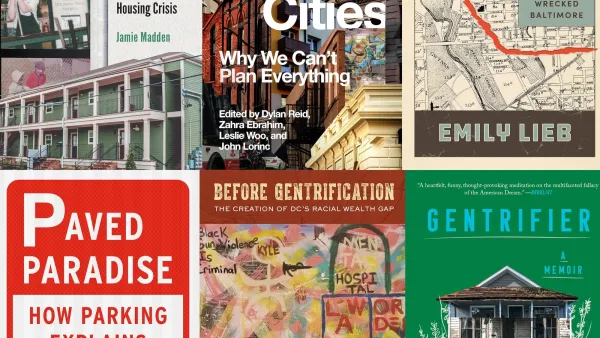
10 great urban planning summer reads
Wherever you're going (or staying) this summer, here are some suggestions for books to bring along.
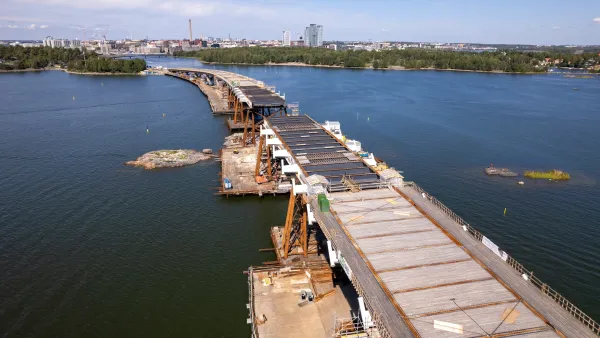
April must-reads: Top 10 articles from last month
The world's longest car-free bridge opens in Finland, Amtrak's new Mardi Gras line shatters ridership predictions, and Bay Area commuters could lose a third of Caltrain stations.

March Must-Reads: Top 10 Articles From Last Month
Seattle may roll back a development fee as housing permits plummet, an ambitious Google-led project in the heart of San Jose goes sideways, and a list of sci-fi books to feed your futurist dreams.

Planetizen Federal Action Tracker
A weekly monitor of how Trump’s orders and actions are impacting planners and planning in America.

Amtrak, CN end decades-long dispute with eight-year agreement
The new operating agreement establishes an updated framework for the companies to work together, including processes to resolve disputes.

Nation's most wind-powered state turns to coal as data centers increase energy demand
For the first time in decades, Iowa has increased its generation of coal power.

Alabama scores up to $2.5 billion federal loan for largest infrastructure project in state’s history
The Mobile River Bridge and Bayway Project aims to ease congestion at Alabama’s worst bottleneck.

Trump is considering data centers on 6 states' public land — some state officials say they had no idea
If the administration approves the proposed projects, data center and data center-related developments will cover 17,600 acres of public land.

Despite court ruling, Trump is keeping nearly all wind projects in the US on hold
At least 110 wind energy projects have not heard from the government since a federal judge ruled that the Trump administration's freeze on wind turbine clearances was likely illegal.

FREE Course: Walkable City 1: Why Walkability?
After describing his path towards focusing on walkability as the essence of good planning, Jeff Speck marches through his five principal reasons for making more walkable places.
Reinventing Malls: Planning Alchemy—Turning Gray Fields Into Gold
The course focuses on the opportunities and imperatives that shape reinvention of mall sites.

KFH Group Inc.
Greater Baltimore Committee
Eagle County Government
The Architects Foundation
University of Cincinnati Online
The Pocatello Development Authority
The Urban Renewal Agency of the City of Pocatello

