World
Global issues, U.N., etc.
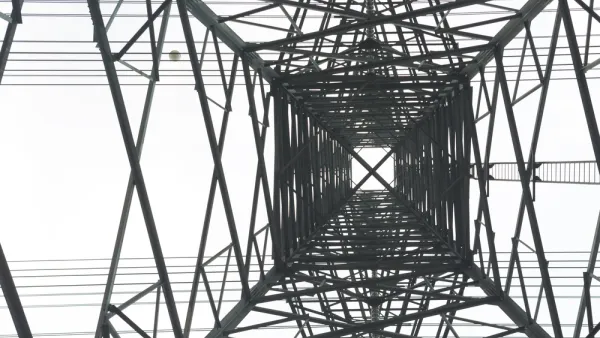
Improved Electrical Grids Cut Greenhouse Gas Emissions
Preventing electricity losses makes power generation more efficient. Those efficiencies translate into lower emissions.
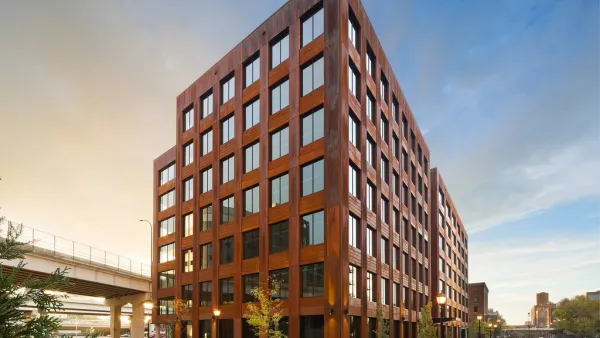
It’s Time to Ditch the Concrete and Steel. Wood Is the Construction Material of the Future
A move toward wooden buildings would lead to a host of positive environmental, economic, and livability outcomes.
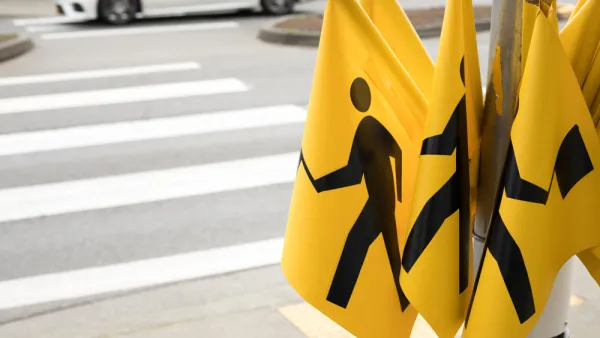
'Cars Are Death Machines'
Not one, not two, but three articles in the past week paint dire portraits of the world that cars have created.

The Fascinating World of Urban Evolution
Animals are not only evolving in remarkable ways to meet the challenges of urban environments, but they are doing it quickly.
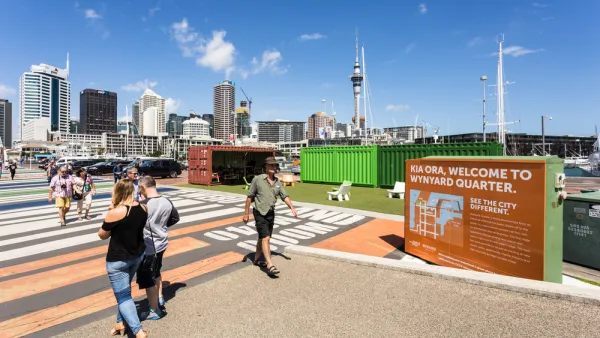
Code Score: A New Aid for Aligning Policy and Vision With Outcomes
A compendium of benefits of walkable urban places, put together by Hazel Borys and Kaid Benfield.
Electric Pickup Truck Manufacturer Scores Huge 'Climate' Order from Amazon
To show his company's commitment to becoming carbon neutral by 2040, Jeff Bezos announced Thursday that Amazon would purchase 100,000 battery-electric delivery vans from Michigan-based Rivian. The trucks will begin service in 2021.
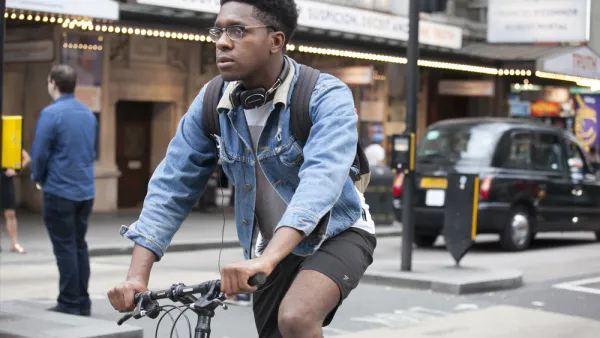
The Diversity of Biking in Art and Culture
Bikes are an important part of many people’s lives, and fostering a world where cycling has a place involves recognizing this diversity of experience.

Envisioning the 'Soft City'
Density and diversity—where boundaries between spaces and uses are lessened—create more vibrant, livable places and more functional cities.
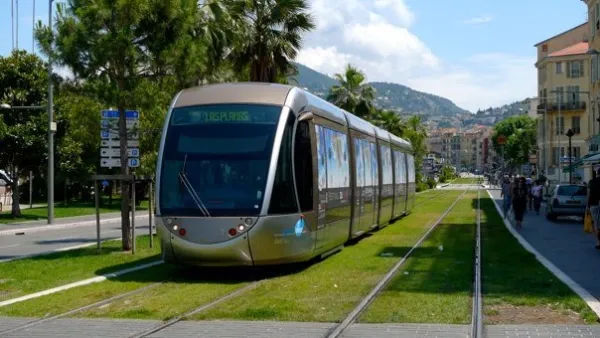
France's Transit Ridership Booms as the USA's Busts
Large American cities are losing bus and train riders, but in France, most cities have seen the opposite trend.

The High Cost of Cool Air
Air conditioning has drastically changed modern life and the ways cities have developed. But, the environmental consequences are immense, and it’s time to cut back.

Batteries Replacing Horses in the Carriage Industry
A growing number of cities around the world, and around the United States, have banned horse-drawn carriages out of concern for the health and welfare of the horses.

Research: Distance Matters More Than Multi-Modal Trips for Reducing Carbon Emissions
European researchers have published a new study in the journal Transportation Research Part D: Transport and Environment that might be a hard pill to swallow for some transit advocates.

Better Urban Planning for Better Public Health (In the Real World)
A researcher at the University of Sydney in Australia offers three recommendations for planners to better negotiate the real world of politics and governance to help create healthier communities.

Demand for Lithium Drops as Global Electric Vehicle Sales Slump
It was long thought that a finite supply of lithium, a key element needed for electric vehicle batteries, would constrain the production of zero-emission vehicles, but the opposite happened: a slow down in EV demand has caused lithium prices to drop.
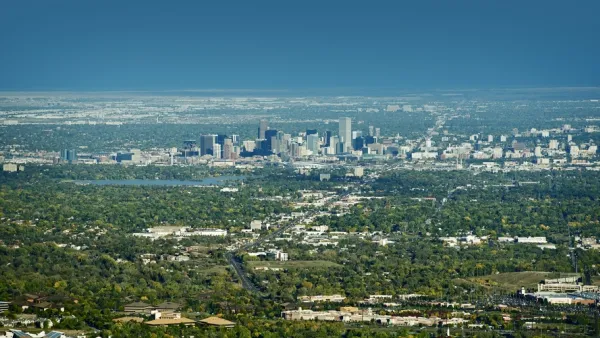
Revisiting the Megaregion
The idea of cities as components of larger megaregions has lost some of its popularity, Alon Levy looks at regions around the world to try to understand how useful the concept is in understanding cities and regions.
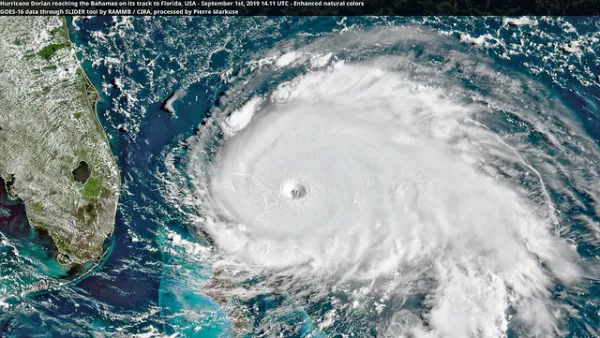
The Aftermath of Dorian's Destructive Path Through the Bahamas
Hurricane Dorian wreaked havoc on the Bahamas for several days before turning toward the Southeastern United States.
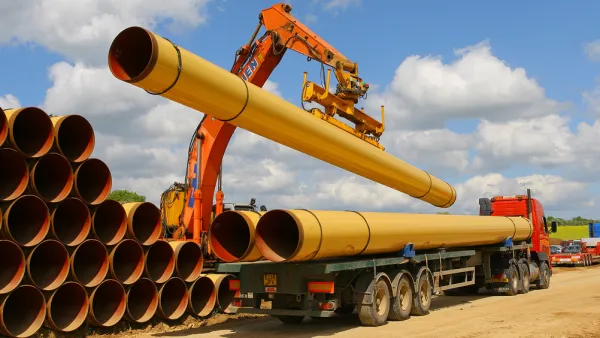
Can Steel Go Green?
Making materials like cement, plastic, glass, and steel creates a lot of emissions. In an opinion piece, Bill Gates argues any climate plan needs to grapple with these hard-to-decarbonize industries.

Skateboarding and the City
Skateboarding is becoming a legitimate part of the urban landscape by revitalizing public spaces and engaging young people and the broader community.
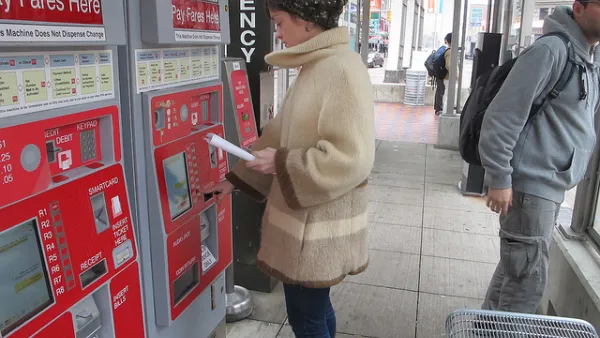
The Benefits of Transit Fare Capping
There's more than one way to incentive transit ridership with fare capping.
Uber's Complicated Story
Since its founding a decade ago, Uber has reshaped the world through a trajectory of highs and lows.

FREE Course: Walkable City 1: Why Walkability?
After describing his path towards focusing on walkability as the essence of good planning, Jeff Speck marches through his five principal reasons for making more walkable places.
Reinventing Malls: Planning Alchemy—Turning Gray Fields Into Gold
The course focuses on the opportunities and imperatives that shape reinvention of mall sites.

City of Rosemead
Rutgers University, Edward J. Bloustein School of Planning and Public Policy
One Hundred Miles
University of Michigan School for Environment and Sustainability (SEAS)
Hunter College, City University of New York (CUNY)
The Architects Foundation
City of Cambridge
Montrose County
The Pocatello Development Authority









