United States
Report: the American Economy is Running Cleaner and Greener
Tim McDonnell shares news of a recent report outlining how Americans are using energy that offers climate change activists plenty of encouraging information.
Urban Design for the Commitment-Phobe in All of Us
On the new Plan.Place blog, the author describes the ways that small-scale, temporary projects can have a widespread, lasting impact on the way that our communities evolve and change.
OPEC Sees U.S. Motorists as Their Ally
An IEA report suggests that oil prices have bottomed-out, are now on the rebound, and that demand for OPEC's oil will start rising next year. OPEC predicts that U.S. oil consumption will increase after years of decline, thanks to U.S. motorists.
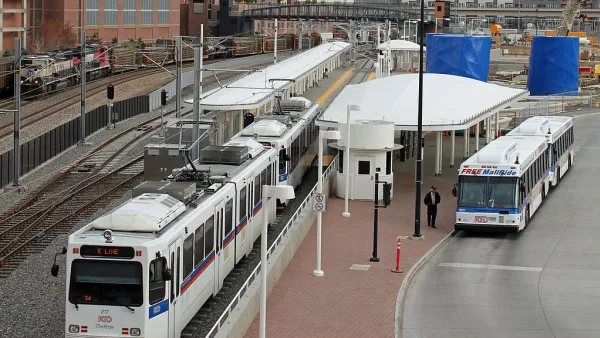
Trains Are Always Better than Buses, Right?
Josh Barro provide examples galore of why the answer to that question isn't always yes—where costly rail investment has been to the detriment of existing transit. His column targets proposed projects, such as New York's LaGuardia Airport AirTrain.

Reading Cities Cover to Cover, and Why
Chuck Wolfe underscores the importance of a holistic view of urban places, referencing themes of common experience, aesthetics, feelings of happiness, safety, or security—a basic narrative of the city that often goes beyond first impressions.
Control of Farmland—City Style
Farm land ownership matters on the edges of metropolitan areas, where farmers can find lucrative markets for their products and yet, with ever escalating land prices, face daunting odds in securing land to grow on or even to get started.
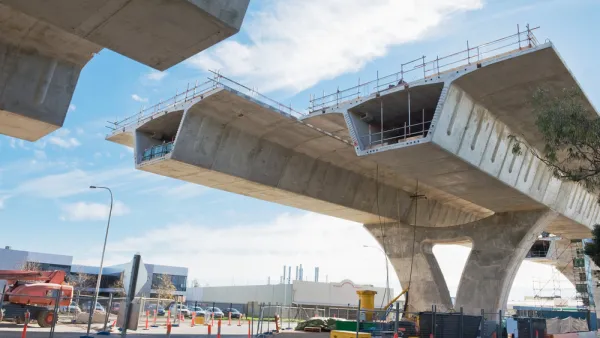
Needed: A Fresh Approach to Funding U.S. Infrastructure
Kenneth Orski, editor and publisher of Innovation NewsBriefs, examines how state governments are beginning to accept more responsibility for transportation funding.
Renters Predominate in Low-Cost and High-Cost Cities
A report by New York University’s Furman Center found that renters made up the majority of households in nine of the 11 largest cities in the U.S. in 2013, up from five in 2006. The demand is straining the supply of rental housing.

Is California's High Speed Rail the Transcontinental Railroad of its Time?
Journalist Kathleen Sharp, whose great-grandfather worked on the transcontinental railroad, draws comparisons between that epic achievement and the construction of California's high speed rail in this New York Times op-ed.
Proposal would Lower New York's Gas Prices by Cutting the Gas Tax
Call it $2 gas price envy. Though New York gas prices have dropped $1.20 from a year ago, they are also 25-cents above the national average. State Sen. Jim Seward hopes to spark a statewide movement to reduce prices by reducing state gas taxes.

5 Ways to Add Density (High Rises Not Included)
In some cities the idea of adding a high rise is always dead on arrival, even if the city desperately needs to add density. For those communities facing similar challenges, a post on Blooming Rock offers five ways to think outside the high-rise box.
Black History Month—a Good Time for Planners to Reflect
Planners have good reason to be thoughtful on the occasion of Black History Month. One blogger offers reflections and insight that should inspire thoughtfulness the rest of the year, too.
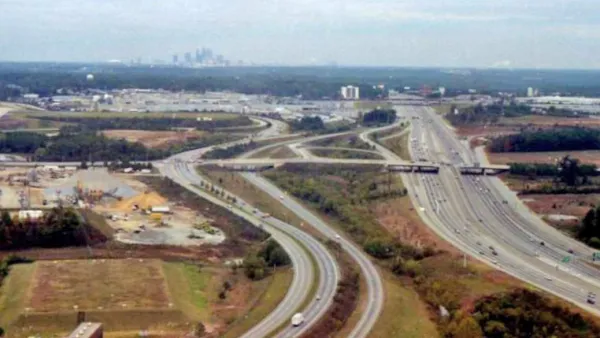
Feds Issue Transportation Report Card For 2045
A new study by the U.S. Dept. of Transportation projects mobility patterns of 2045. With projected growth of 70 million people, the pressure is on to invest in infrastructure and bring transportation planning into the 21st century.
Sprawl vs. Unions
The three very different stories of the building trades in Atlanta, Denver, and Portland show just how much urban development patterns affect workers.

Digital Divide Includes Transportation And Tech
For people who'd rather own a smart phone than a set of wheels, new types of mobile tech are making it increasingly easy to get around cities. A recent report ranks the metro areas that are making best use of these technologies. On top: Austin, TX
Seizing the Moment: Nations Slash Energy Subsidies as Oil Prices Fall
Just as plummeting oil prices have caused state and federal political leaders to consider raising gas taxes, leaders in developing nations, both oil producers and consumers, are considering reductions in national energy subsidies.
EPA Adopts New Rules for Wood Burning Stoves
Wood burners are a common source of nostalgia—and particle emissions that wreak havoc on public health. To improve air quality and prevent asthma, heart attacks, and more, the EPA has passed its first rule change for wood burning heaters since 1988.

Child-Friendly Cities: What My Toddler Taught Me about City Design
In a post from the new Plan.Place blog, the author explores the city with a two-year-old as his guide and offers reflections on viewing the urban landscape anew--from an elevation of 34 inches and with a renewed sense of wonder.
Mapping the Morning Commute
What time did you leave for work this morning? What time should you have left for work this morning?
A Survey of Recent Research in 'Urban Regeneration'
Journalist's Resource provides a one-stop shop for research on the subject of policies to regenerate urban areas once in decline.

FREE Course: Walkable City 1: Why Walkability?
After describing his path towards focusing on walkability as the essence of good planning, Jeff Speck marches through his five principal reasons for making more walkable places.
Reinventing Malls: Planning Alchemy—Turning Gray Fields Into Gold
The course focuses on the opportunities and imperatives that shape reinvention of mall sites.

One Hundred Miles
County of Mendocino
planning NEXT
The Architects Foundation
University of Cincinnati Online
Montrose County
Northern Illinois Transit Authority (NITA)
The Pocatello Development Authority









