United States

Vaccination Disparities Between Urban and Rural America
The pandemic has largely been measured by case incidence, down significantly in recent weeks in most states. A new metric, the vaccination rate, may determine where the virus strikes next. The urban-rural divide is a major factor, says the CDC.

Rising Home Prices Most Pronounced in Communities of Color
U.S. home values appreciated sharply during the pandemic, particularly in communities of color, where prices rose by as much as 10.3%.
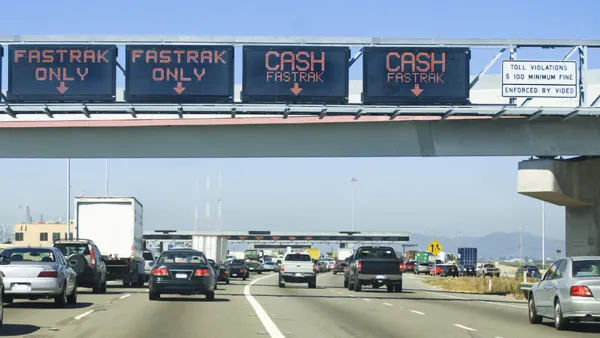
Funding Biden's Infrastructure Plan: Should Users or Corporations Pay?
After determining the size and scope of President Biden's infrastructure package, the next biggest challenge is determining how to pay for it. The partisan divide is steep, but Roll Call exposes division within the Democrats' ranks.
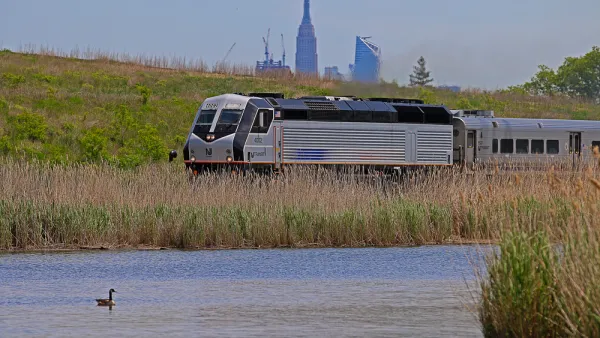
The High Cost of Adapting Commuter Rail for the Post-COVID Future
U.S. commuter rail systems, primarily designed to bring workers to and from central business districts, must adapt to serve a broader population as the traditional workday changes.
Strong Towns Takes Licensing Challenges to Court
For a second time, Charles Marohn is facing a challenge from the engineering profession over his work as the founder of the popular advocacy organization Strong Towns. This time, Marohn and Strong Towns are pushing back.
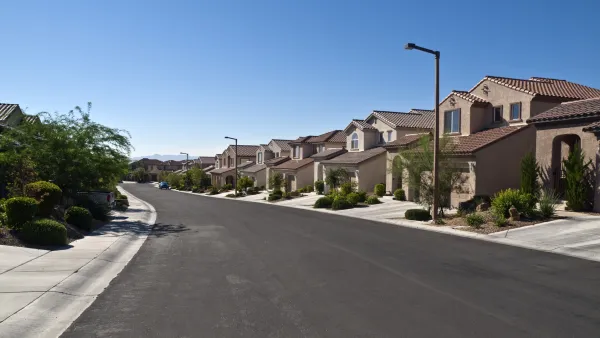
On the Essential Role of Land Use in the Fight Against Climate Change
The country cannot hope to achieve its goals for the reduction of greenhouse gas emissions without fundamentally rethinking its land use and development patterns, according to this article.

The Future of Central Business Districts
Urbanist Richard Florida assesses post-pandemic possibilities for neighborhoods that once relied on 9-to-5 workers.
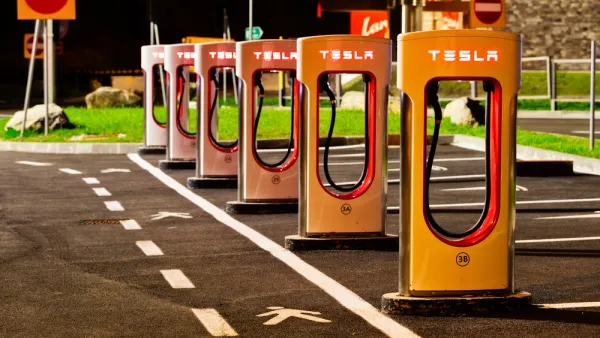
Decarbonizing Transportation at the Federal Level
A new report shows that long-term federal investments in electric vehicles could promote significant growth in the sector as the nation moves toward reducing GHG emissions.
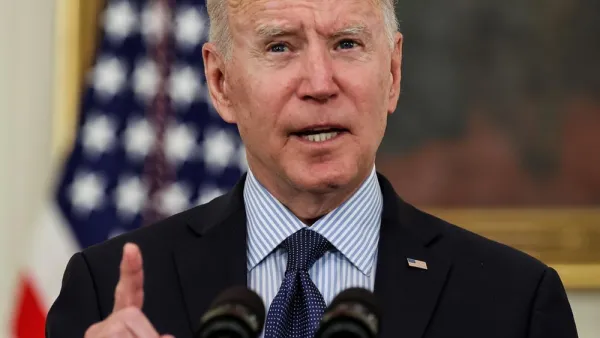
Biden's Infrastructure Targets Shift as Negotiations Commence
The Biden administration announced late last week that they would reduce the spending proposed in the American Jobs Plan from $2.25 trillion to $1.7 trillion, although there is some question about the true significance of those changes.
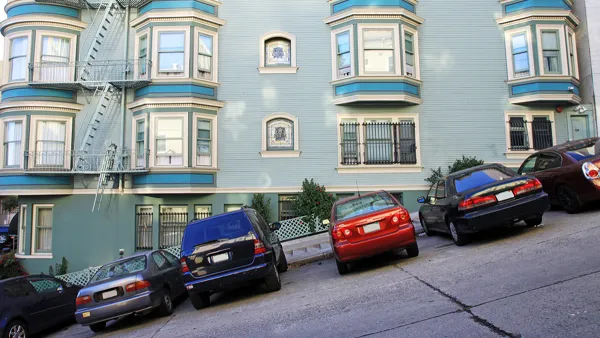
The Parking Disaster
Minimum parking requirements, argues Michael Manville, raise the cost of construction and eat up valuable urban real estate.

Car-Free Streets Benefit Restaurants, Yelp Survey Shows
Restaurants in areas designated as "slow streets" during the pandemic saw a boost in consumer interest.
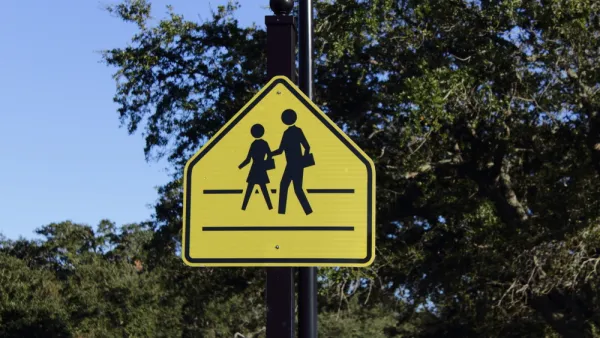
NACTO Suggests Changes to MUTCD
The association's proposed changes to the manual include a focus on eliminating road deaths, improving pedestrian safety, and creating a more inclusive public process.
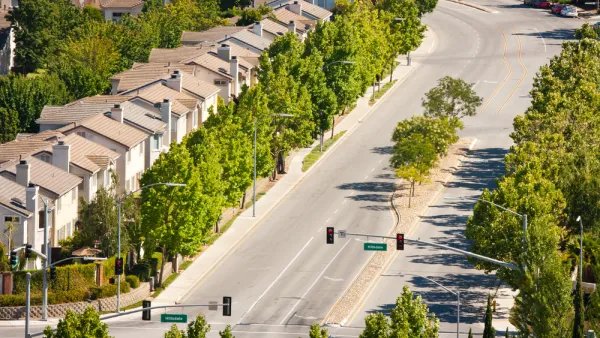
Approaching Land Use and Transportation as Interconnected Issues
One researcher argues that the division between transportation and land use policymaking at the federal level has harmed communities of color and encouraged unchecked sprawl.
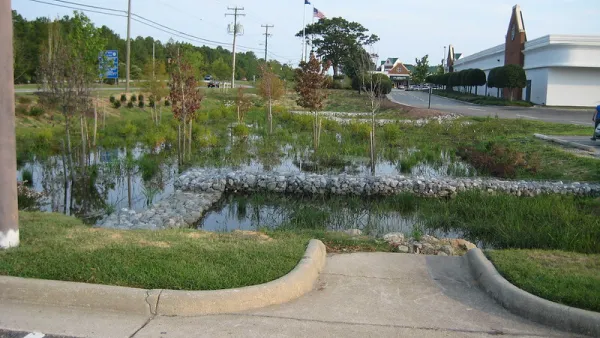
FYI about GSI: The Recipe for Green Stormwater Infrastructure Success
New research highlights some of the ways planners can increase the social benefits and public acceptance of green stormwater infrastructure.
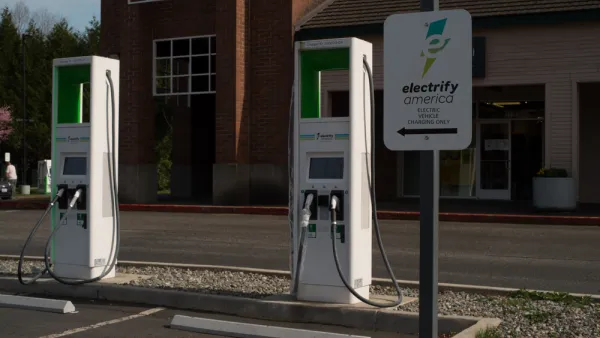
A Green Governor Vetoes Electric Vehicle Legislation
Washington Gov. Jay Insee distinguished himself in the 2020 presidential Democratic primary as the "climate candidate," yet he vetoed a section of a transportation electrification bill that set a goal of ending sales of gas-powered cars by 2030.
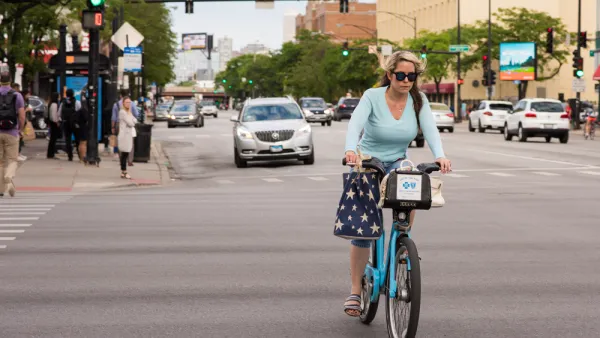
Study: When Women Ride Bikes, Everyone Rides More
New research indicates a positive association between overall cycling levels and ridership rates for women-identified riders.
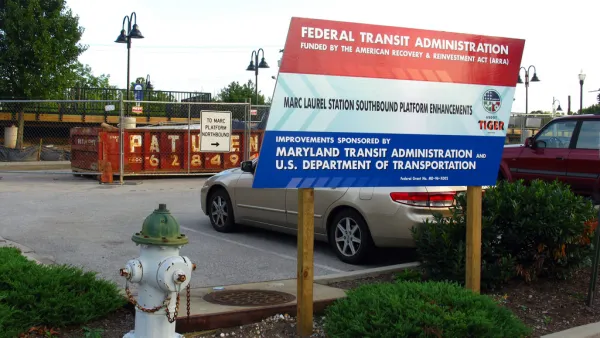
How Much Will Buttigieg Change Federal Transportation Policy?
The USDOT secretary is making big promises, but an entrenched system makes it difficult to implement long-lasting, systemic change.
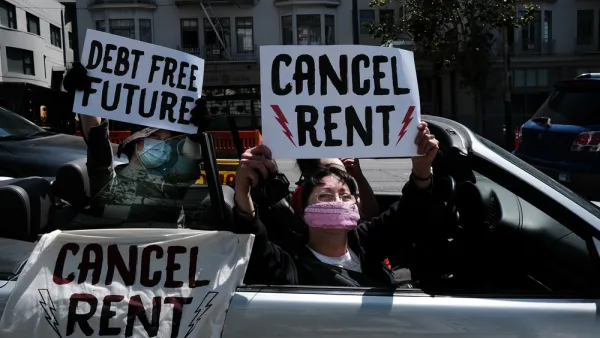
Report Breaks Down Pandemic Rent Burdens by State and Metro Area
The share of U.S. households facing rent debt is decreasing as the economy begins to recover from the pandemic, but rent debt is still concentrated by geography and demographics around the country.

Insufficient Infrastructure Funding Cited as Top Concern by 91% of Cities
In a survey by the National League of Cities, local leaders overwhelmingly cited a lack of funding as a top factor affecting infrastructure decisions.

The Numerous Obstacles—Past and Present—Facing Black Homeowners
Black Americans pay a higher price to be homeowners—and the number of those who can afford to pay that price is dropping quickly.

FREE Course: Walkable City 1: Why Walkability?
After describing his path towards focusing on walkability as the essence of good planning, Jeff Speck marches through his five principal reasons for making more walkable places.
Reinventing Malls: Planning Alchemy—Turning Gray Fields Into Gold
The course focuses on the opportunities and imperatives that shape reinvention of mall sites.

One Hundred Miles
County of Mendocino
planning NEXT
The Architects Foundation
University of Cincinnati Online
Montrose County
Northern Illinois Transit Authority (NITA)
The Pocatello Development Authority









