United States
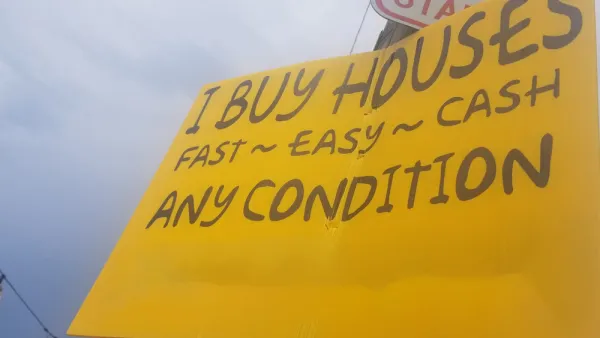
All-Cash Home Sales on the Rise
Cash buyers are becoming more common in many U.S. real estate markets, even as the housing market begins to cool.
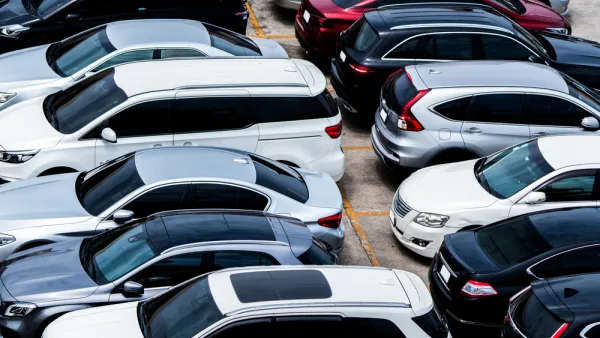
Cars Are Outgrowing Their Parking Spaces
As American vehicles grow taller, wider, and longer, more of them are having a hard time fitting in traditional parking spaces.
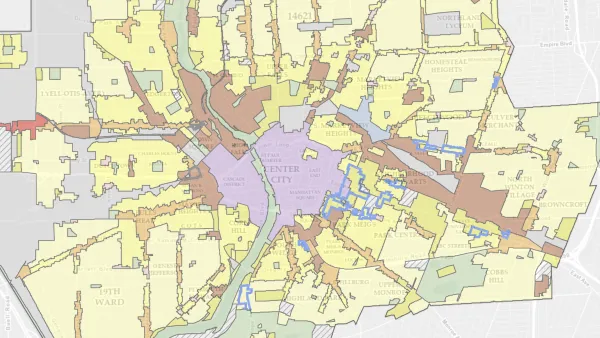
APA Releases ‘Equity in Zoning’ Guide
The guide provides a framework for assessing and improving equity in housing policy.

Cleveland: The Nation’s Most Equitably Walkable City
A new study assesses which cities have the broadest access to walkable neighborhoods.
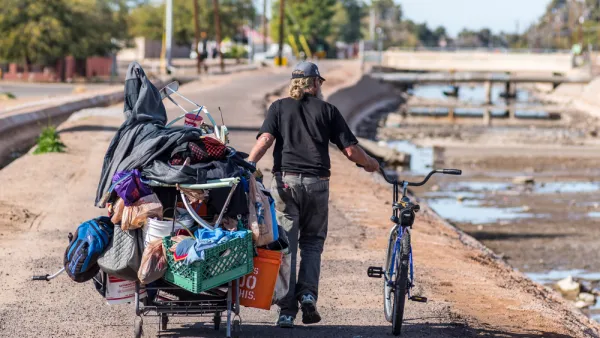
HUD Grants Total $315 Million for Continuum of Care for the Unhoused
An unprecedented federal grant program, announced earlier this month, will support continuum of care for the unhoused in unsheltered and rural settings.
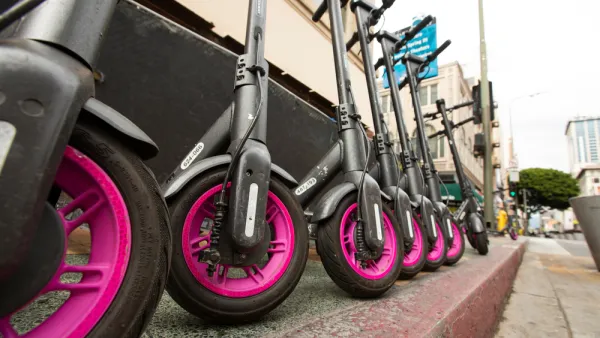
Lyft Shifting to Docked E-Scooters
After failing to deliver on promises of frictionless, free shared mobility, the operator will begin docking its scooters at stations to reduce sidewalk obstructions and eliminate the need to collect scooters for recharging.
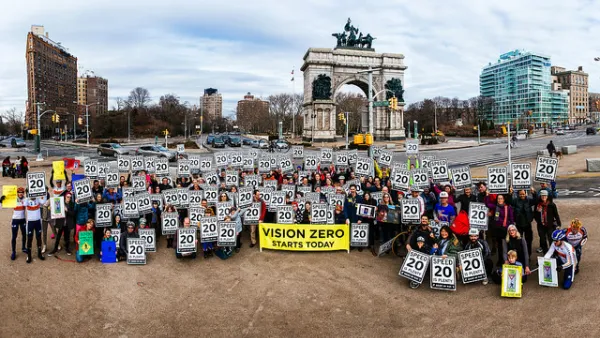
Federal Initiative Calls for Action on Roadway Safety
Close to 50 governmental and nongovernmental organizations signed on to a pledge to take concrete action to reduce traffic deaths around the country.
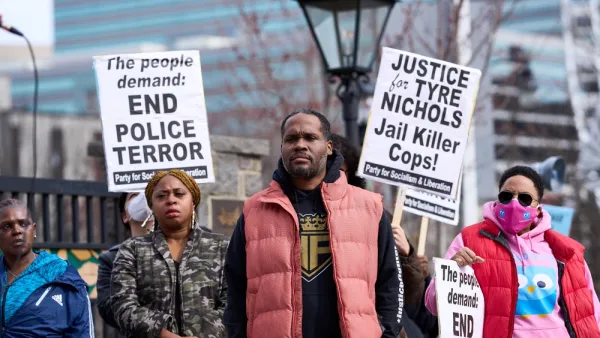
Memphis: Crime-fighting Camera Sheds Light on Police Abuse
The irony is unmistakable. Public surveillance cameras, long controversial in the criminal justice community, provided pivotal video footage of the beating of motorist Tyre Nichols by five Memphis police officers at a traffic stop on January 7.
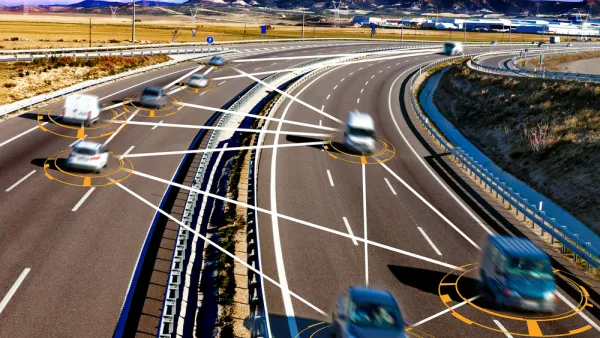
How Autonomous Cars Could Impact Energy Use
The complex algorithms used by self-driving vehicle technology use massive amounts of energy, which could lead to a steep rise in carbon emissions as autonomous cars become more commonplace.
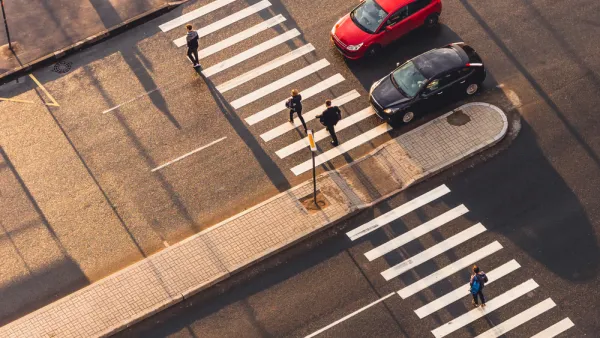
Safe Streets Grants Announced
The federal Safe Streets and Roads for All program funds planning and implementation for road safety projects aimed at reducing traffic deaths and building safe infrastructure for pedestrians, cyclists, and other vulnerable road users.

Federal Government Awards Over $1 Billion to Nine ‘Mega’ Projects
The funding comes from a discretionary grant program aimed at supporting infrastructure projects too massive or complex for traditional funding mechanisms.
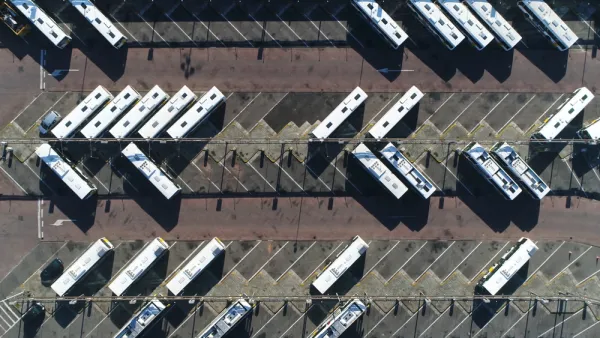
U.S. Transit Agencies Face a Financial Crisis
Transit providers around the country are scrambling to find new sources of revenue to replace lagging ridership and reorienting their systems to a future less dependent on daily commuters.
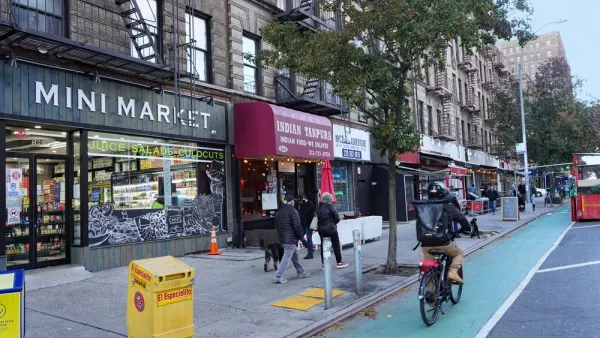
Bike Lanes Are Good for Business. Why Don’t Business Owners Believe It?
Proposed bike lanes often come up against opposition from local merchants who believe losing street parking will hurt their business, but research repeatedly shows the opposite effect.
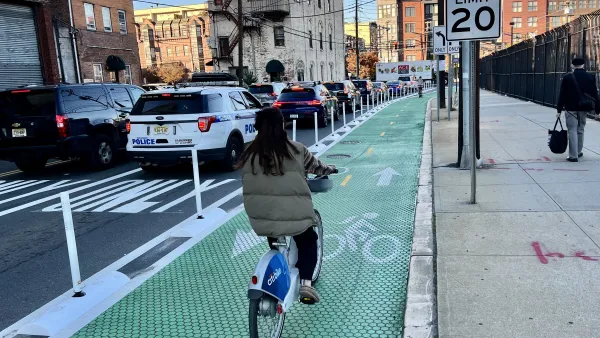
America’s Best New Bike Lanes
PeopleForBikes highlights some of the most exciting new bike infrastructure projects completed in 2022.
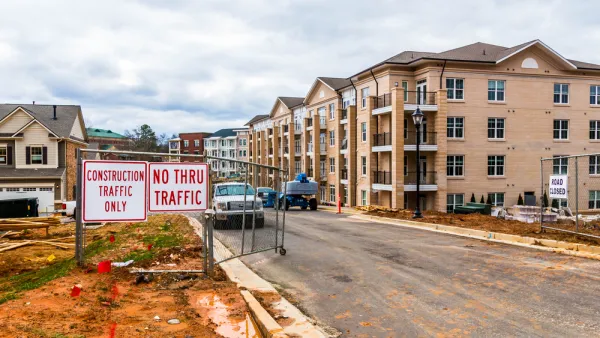
Survey: Most Mayors Fail to Link Zoning and Homelessness
Despite the powerful impact of local land use and zoning policies on housing costs and supply, many U.S. mayors believe they have little control over homelessness in their cities.
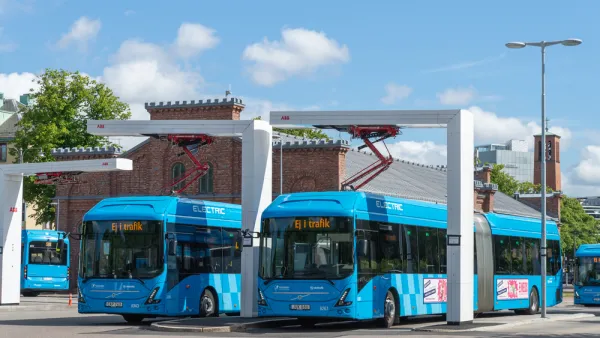
New Round of Federal Clean Transit Funding Announced
Two federal grants will award close to $1.7 billion to state and local agencies to replace aging transit fleets and boost workforce development initiatives.
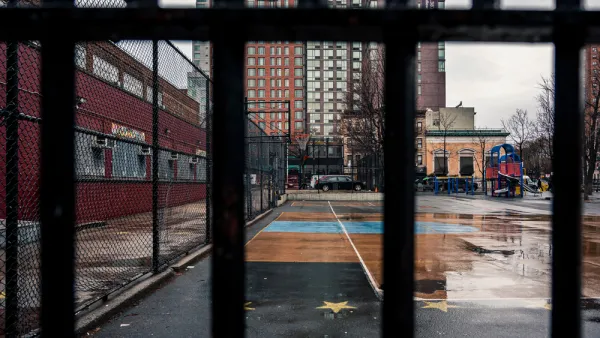
How Green Schoolyards Benefit Kids, Cities, and the Climate
Transforming asphalt schoolyards into green spaces with porous surfaces can improve the well-being of students and neighbors and contribute to more effective stormwater management in urban areas.
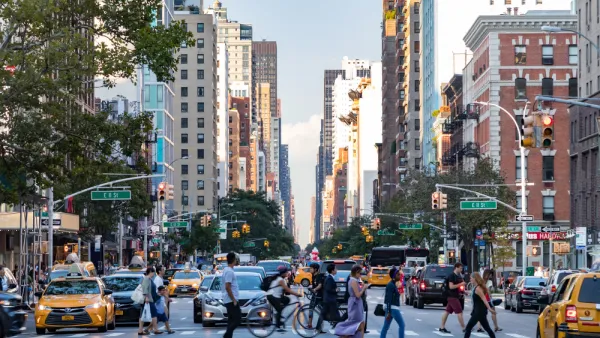
Foot Traffic Ahead: Report Reveals the Resilience of Walkable Places
Reports of the city’s death have been greatly exaggerated, according to new research from Smart Growth America.
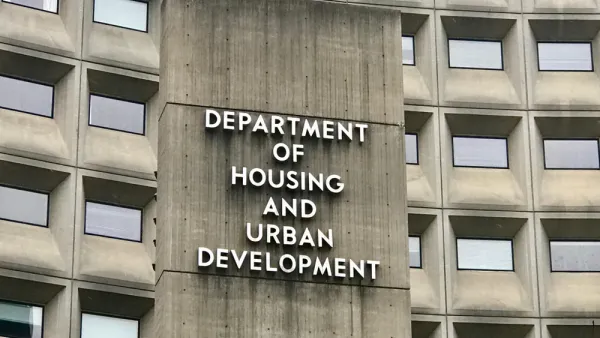
How Federal Policy Can Support More Affordable Housing in Exclusionary Communities
The recently funded “Yes In My Back Yard” federal grant program provides support for local and state governments to implement housing policy reforms, but it doesn’t go far enough to undo the exclusionary practices of wealthy communities.
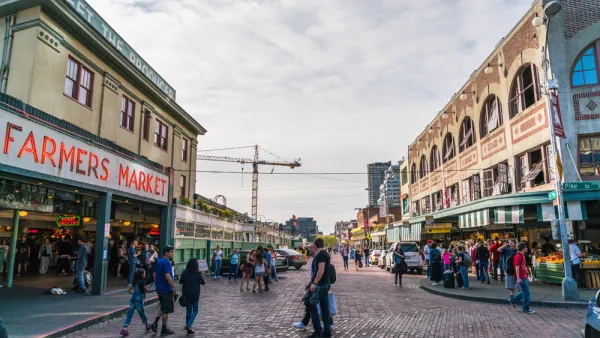
Push and Pull: The Link Between Walkability and Affordability
The increased demand for walkable urban spaces could make them more and more exclusionary if cities don’t pursue policies to limit displacement and boost affordability.

FREE Course: Walkable City 1: Why Walkability?
After describing his path towards focusing on walkability as the essence of good planning, Jeff Speck marches through his five principal reasons for making more walkable places.
Reinventing Malls: Planning Alchemy—Turning Gray Fields Into Gold
The course focuses on the opportunities and imperatives that shape reinvention of mall sites.

One Hundred Miles
County of Mendocino
planning NEXT
The Architects Foundation
University of Cincinnati Online
Montrose County
Northern Illinois Transit Authority (NITA)
The Pocatello Development Authority









