California
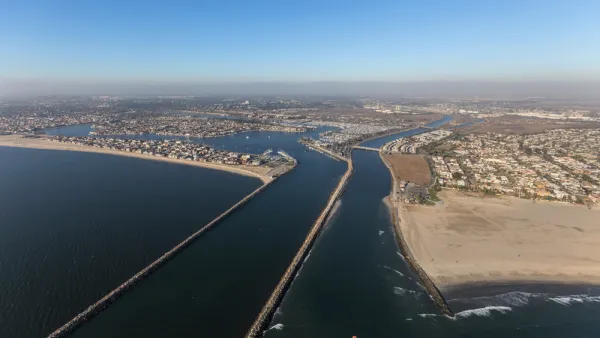
L.A. County Calls for Flood Control Improvements
Recently revealed estimates put far more people in the region at risk for catastrophic flooding than previously thought.
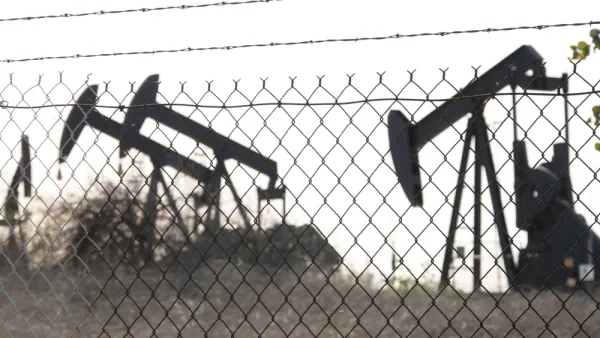
Los Angeles To Phase Out Oil Drilling
The city has banned new wells and will end all extraction within two decades.
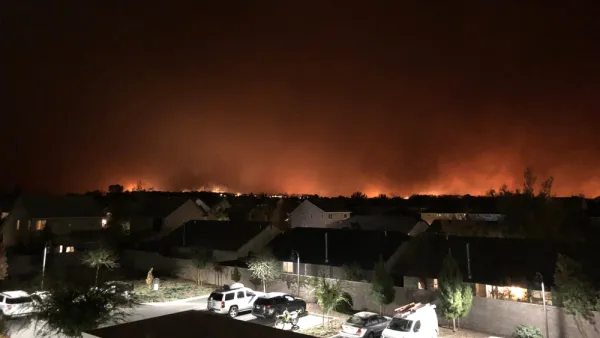
Between a Rock and a Hard Place: Housing and Fire Safety in California
A proposed development near the site of the devastating Camp Fire highlights the growing tension between building badly needed housing and protecting communities from heightened wildfire risk.
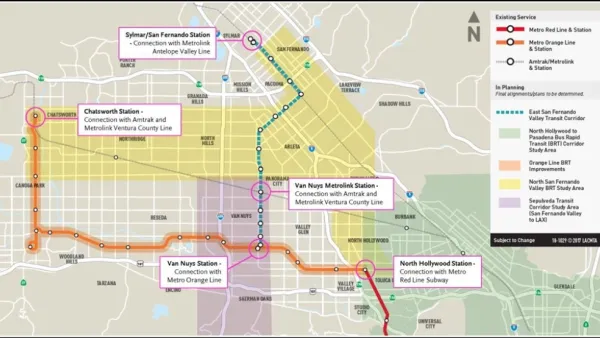
$1.9 Billion in State Budget Surplus Requested for L.A. Transit Projects
L.A. transit officials hope the state budget surplus can be used to fund regional transit project, including one highly anticipated light rail project that broke ground on Friday, December 2.

L.A.-Las Vegas High Speed Rail Could Break Ground Next Year
The privately funded train would shuttle passengers between Los Angeles and Las Vegas in half the time it takes to drive and could take 3 million vehicles off the road.
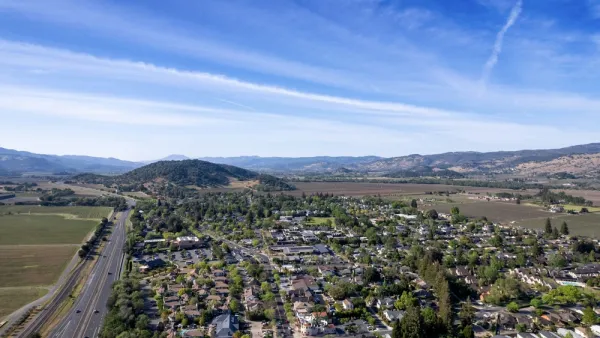
Napa County Announces Forgivable Loans for Affordable ADU Rentals
Homeowners in the county will be eligible for the loans if they comply with affordability requirements for five years.

Controversial Agreement Yields Funding for Salton Sea Restoration
An unprecedented, but deeply controversial, agreement changes the equation for the Colorado River and the Salton Sea.
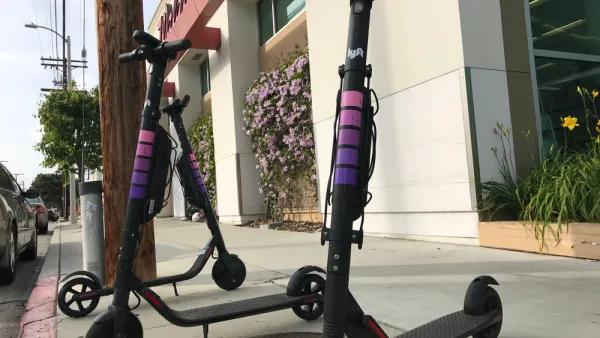
Lyft Pulls Micromobility From Los Angeles Area
The company will no longer provide shared bikes and scooters in the L.A. region, citing a ‘lack of longterm commitment’ from cities.
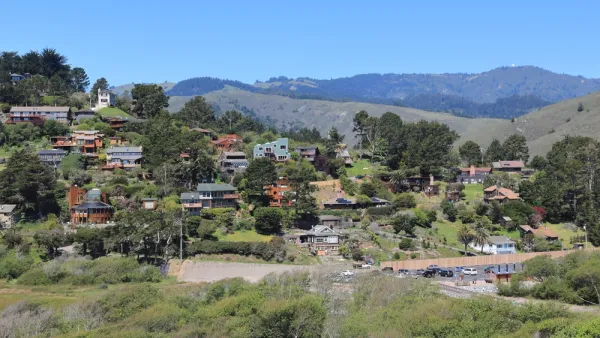
Marin County Mandates Building Electrification
Starting January 1, all new buildings in the county must be electric-powered, while multifamily apartment buildings will be required to provide electric car chargers.
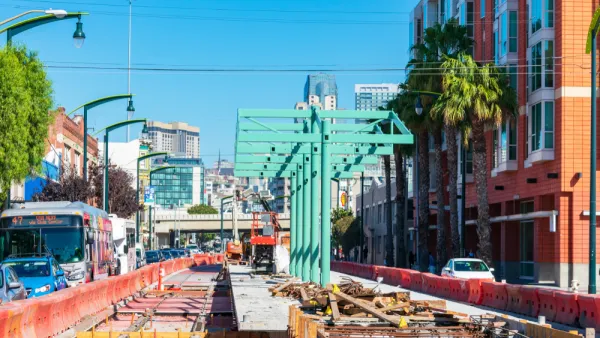
Long Delayed, $1.95 Billion Central Subway Opens in San Francisco
San Francisco’s first north-south subway opened last weekend, extending service on Muni’s T light rail line.

New Scoping Plan Sets Carbon Neutrality Goal for California
California has long led the nation in efforts to reduce greenhouse gas emissions. A law approved in 2006 still provides direction for the state’s efforts.
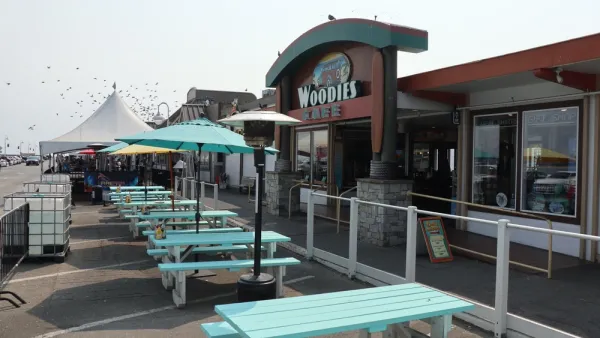
Outdoor Dining Parklets No Longer Cheap and Easy
Cities in Santa Cruz County, California are making outdoor dining laws permanent, and some businesses are getting sticker shock at the extra cost of maintaining the pandemic-era expansion of al fresco dining.
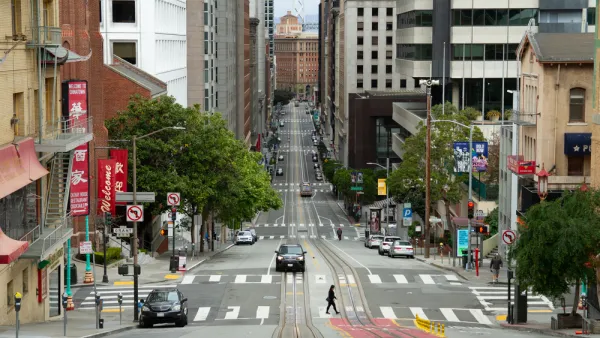
Office Vacancies Could Cost San Francisco $200 Million by 2028
The fiscal toll of the pandemic is only beginning to reveal itself. The challenges presented to growing office vacancy rates are not unique to San Francisco.
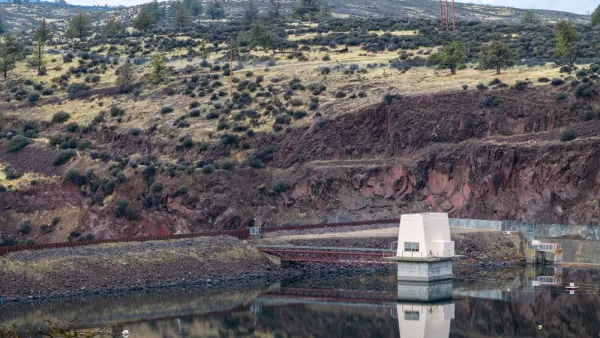
Largest Dam Removal in U.S. History Clears Final Regulatory Hurdle
Four dams are coming down along the Klamath River. The final decision to remove the dams is a milestone political and legal victory for indigenous tribes living in Southern Oregon and Northern California.

Los Angeles County Launches Environmental Justice Department
The new department will develop plans for addressing the impacts of air and water pollution, extreme heat, and climate change on vulnerable communities.

San Francisco Could Strike Deal on New Tower
The city is leveraging height increases and density bonuses to acquire more properties for affordable housing.
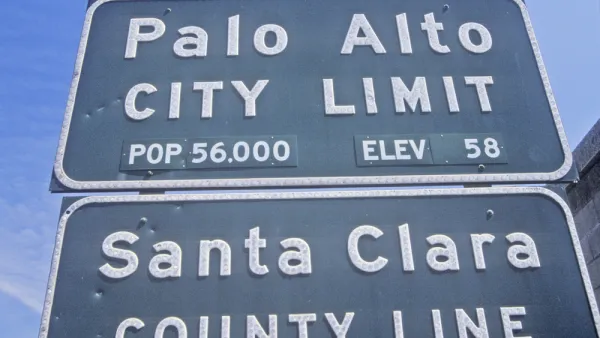
Palo Alto Includes Industrial Rezonings in its State-Mandated Housing Element
Palo Alto, a Silicon Valley city with a history of exclusionary zoning tactics, has produced a new Housing Element that calls for more than 6,000 housing units to be built in the city by 2031.
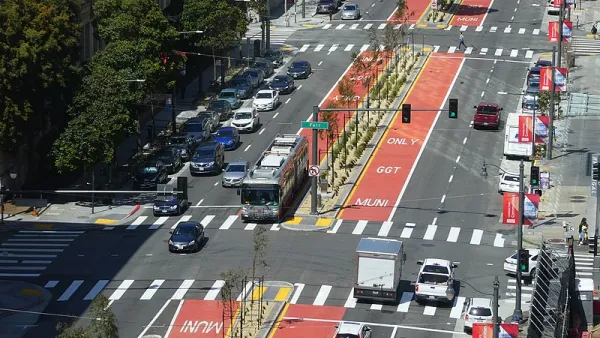
Van Ness Bus Rapid Transit Boosts Ridership in San Francisco
The new rapid bus line has cut travel times by 35 percent and boosted ridership on the Van Ness corridor.
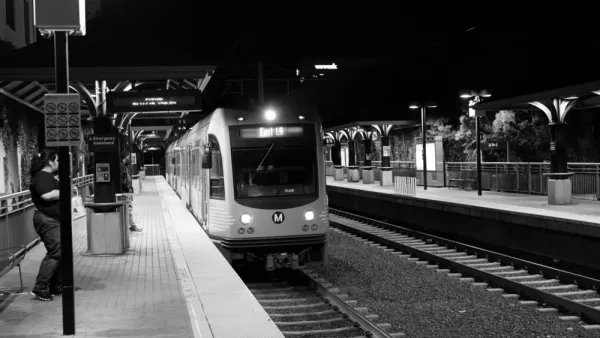
Fewer Women Riding Buses in Los Angeles
In a survey, riders expressed concern about safety, cleanliness, and timeliness on the region’s buses and trains.

SpaceX Removes Hyperloop Test Tube
After blocking sidewalk access for years, a tube segment in front of SpaceX’s Hawthorne office was removed at the city’s request, signaling a broader retreat from the project.

FREE Course: Walkable City 1: Why Walkability?
After describing his path towards focusing on walkability as the essence of good planning, Jeff Speck marches through his five principal reasons for making more walkable places.
Reinventing Malls: Planning Alchemy—Turning Gray Fields Into Gold
The course focuses on the opportunities and imperatives that shape reinvention of mall sites.

City of Rosemead
Rutgers University, Edward J. Bloustein School of Planning and Public Policy
One Hundred Miles
University of Michigan School for Environment and Sustainability (SEAS)
Hunter College, City University of New York (CUNY)
The Architects Foundation
City of Cambridge
The Pocatello Development Authority
The Urban Renewal Agency of the City of Pocatello









