Urban Development

National Trust's 'ReUrbanism' Initiative Puts Adaptive Reuse Front and Center
The National Trust for Historic Preservation's ReUrbanism initiative has hit the ground running.
The Mega-Project Game Has a New Player in Brooklyn
A proposal by AECOM would transform the Red Hook waterfront with 25-45 million square feet of residential.
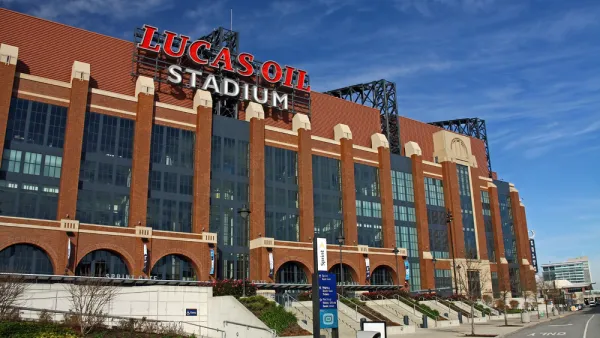
Federal Subsidy for Private Sports Stadiums Since 2000: $3.2 Billion
Are you ready for some football…stadiums to receive massive subsidies from the federal government?
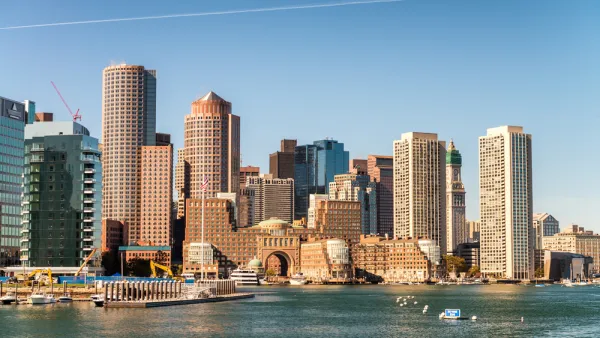
Condo Developments Trending in Boston
When more people start looking to buy a home in downtown areas, developers start to build condos. Boston provides the latest case study of this market tendency.
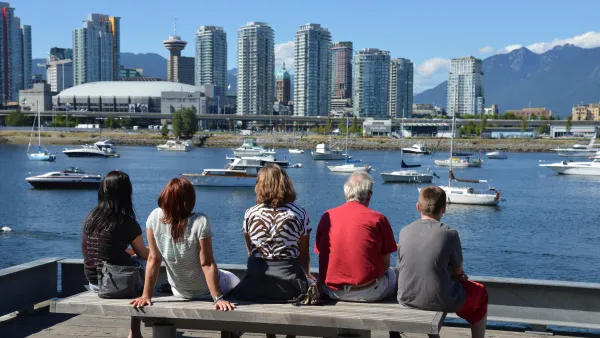
A Twitter Feed that Sings About Placemaking
"My twitter stream is alive with the sound of placemaking," writes Chuck Wolfe. While preparing for this week's Placemaking Week in Vancouver, he explains the importance of PPS-led programming and hopes for various panels, proceedings and events.
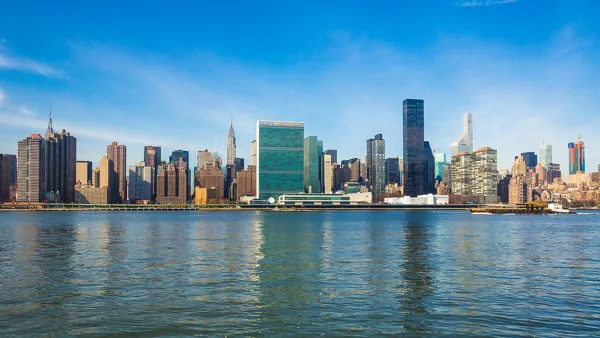
Finally, a Breakthrough for the New Urban Agenda
A marathon negotiation forged the compromises necessary for the New Urban Agenda to be adopted next month at the Habitat III summit in Quito, Ecuador.
Indicators of a Sustainable Urban Future.
Parking lots hurting for cars, garages being converted to storage, corporate headquarters moving from edge city to center city—these are some of things happening in U.S. cities that hold promise for change, writes former SPUR ED Jim Chappell.
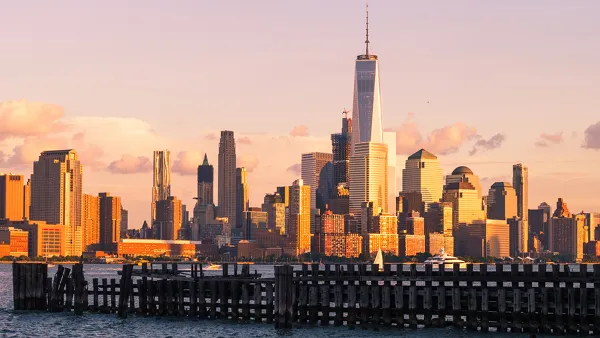
Taking Stock of New York's Changing Skyline Post-9/11
Fear that skyscrapers might be a persistent target of terrorist attacks did not last long beyond the days and months following 9/11. Neither terrorists nor the Great Recession have stopped the city's skyline from continuing to reaching skyward.
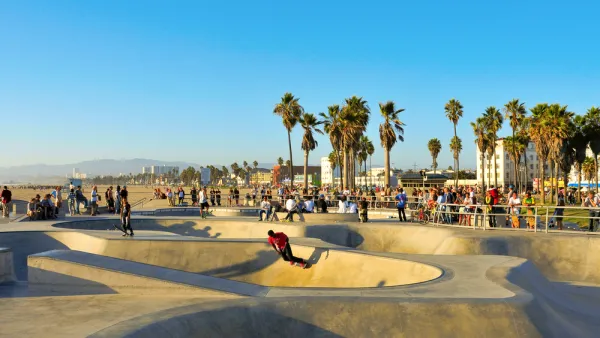
Los Angeles Adds New Developer Fee to Pay for Parks
The city of Los Angeles has been improving its parks resources for several years, and a new funding mechanism should help continue that trend.
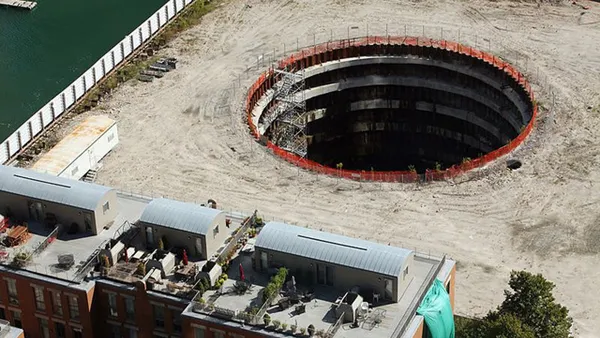
Signs of Life From Chicago's Failed Spire Project
Related Midwest, the current developer of the site of Santiago Caltrava's infamously failed Spire project, are finally making progress on the next iteration of plans for the site.
How Community Engagement Can Restore Trust in Government
Trust between the public and government agencies is low, and democracies are paralyzed without it. How can community engagement help restore trust? This post outlines the challenge and a process for solving it.

On Deck for de Blasio-Style Rezoning: Jerome Avenue in the Bronx
The de Blasio Administration's next big rezoning push will occur in the southwest Bronx.
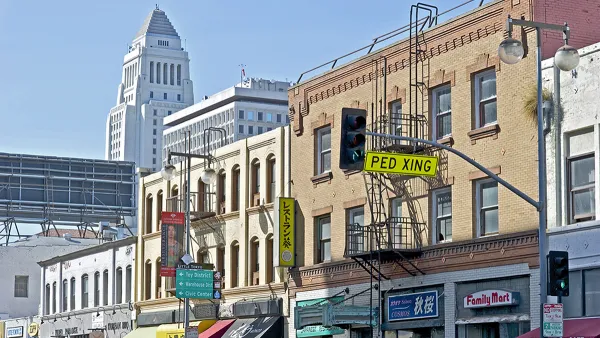
4 Ideas for Overhauling the Los Angeles Department of City Planning
A tradition as old as the Planning Department itself: proposing reforms to the planning and development approvals process in the city of Los Angeles.

Urban Growth Boundaries Gone Awry: Protection Without Infill
Joe Mathews of Zócalo Public Square views with a great deal of skepticism the urban growth boundaries the voters of Ventura County adjacent to Los Angeles County have enacted since 1995 due to the lack of infill. Another measure is on the ballot.
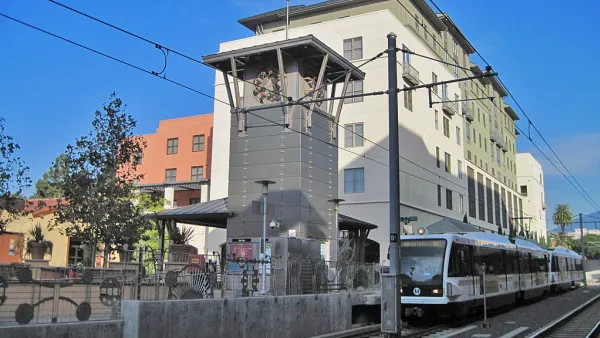
Four Ways L.A. Metro Is Increasing Affordable Housing
A median-income family in the L.A. metro area spends 73 percent of their income on housing and transportation alone. L.A. Metro explains why and how they're taking huge steps to get affordable housing on land they own—where it will do the most good.

Theme Park Urbanism
An op-ed rejects a notion of urbanism that would find a home in Disneyland, for a version of urbanism that deploys the best efficiencies and benefits of the built environment.
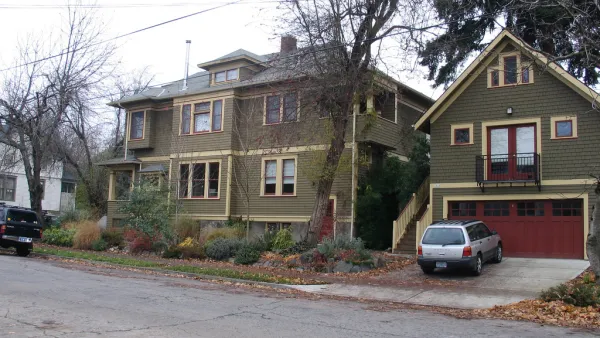
State Law Paves the Way for More Granny Flats in California
The state of California stepped into to make it easier for local governments to approve permissive regulations of accessory dwelling units.
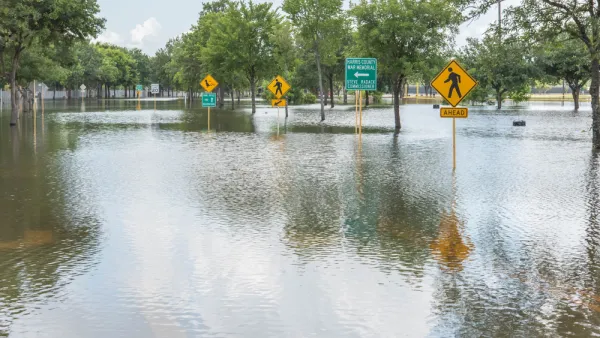
Developments Surrounding Houston's Distressed Dams
The Houston Chronicle continues a series of feature articles about the persistent flooding of the region. The latest installment examines the tenuous position of the Addicks and Barker dams.
The Market Rate of a Shorter Commute
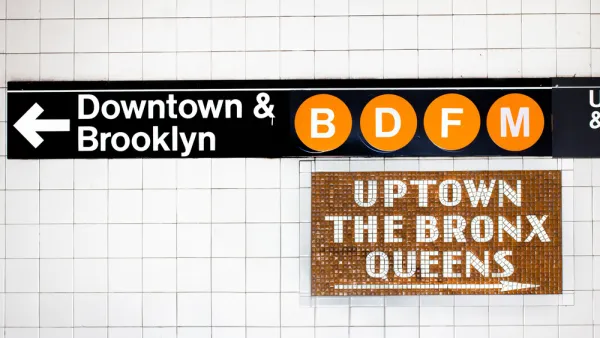
Analysis by FiveThirtyEight offers a lesson in trade-offs. In this case: how much more New Yorkers are willing to pay for less time spent commuting.
Urban Sanity: Understanding Urban Mental Health Impacts and How to Create Saner, Happier Cities
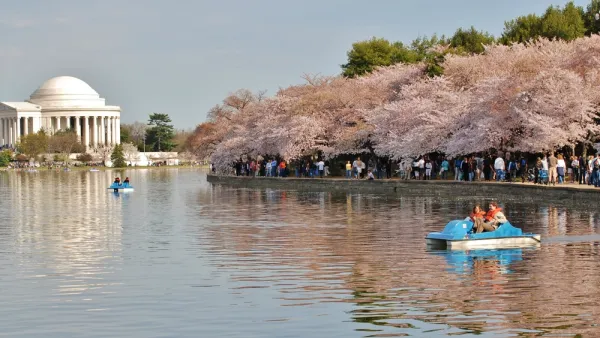
Some experts claim that city living causes mental illness and unhappiness, but a new study indicates that urban environments provide many mental health benefits. Better planning can help make sane and happy cities.

FREE Course: Walkable City 1: Why Walkability?
After describing his path towards focusing on walkability as the essence of good planning, Jeff Speck marches through his five principal reasons for making more walkable places.
Reinventing Malls: Planning Alchemy—Turning Gray Fields Into Gold
The course focuses on the opportunities and imperatives that shape reinvention of mall sites.

City of Rosemead
Rutgers University, Edward J. Bloustein School of Planning and Public Policy
One Hundred Miles
University of Michigan School for Environment and Sustainability (SEAS)
Hunter College, City University of New York (CUNY)
The Architects Foundation
City of Cambridge
Montrose County
The Pocatello Development Authority









