Urban Development

How Data-Driven Research Is Shaping Sustainable Urban Development
Explore how data-driven research is revolutionizing sustainable urban development, creating smarter, greener, and more resilient cities for the future.
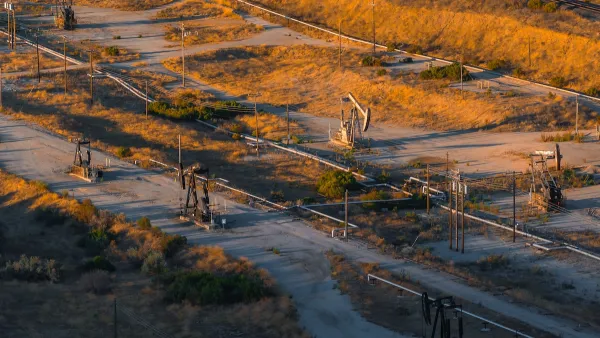
From Blight to Benefit: Early Results From California’s Equitable Cleanup Program
The Equitable Community Revitalization Grant (ECRG) program is reshaping brownfield redevelopment by prioritizing projects in low-income and environmental justice communities, emphasizing equity, transparency, and community benefits.
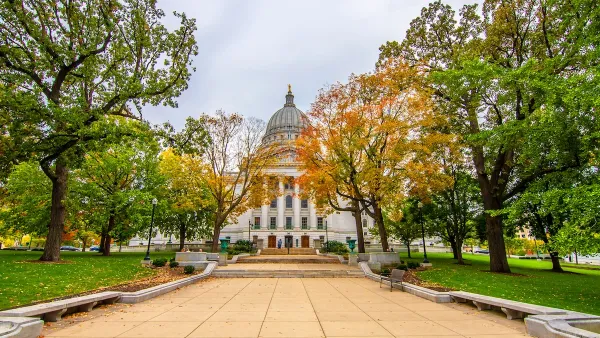
How Madison’s Tree Planting Efforts Are Growing a Healthier Community
Madison’s annual tree planting initiative is enhancing environmental resilience, public health, and community livability by adding 1,400 carefully selected trees citywide, with strong community and institutional support for urban forestry.
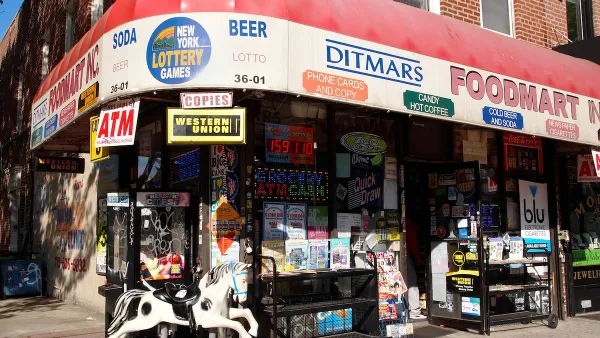
What the ‘Walk Score’ Misses
A popular walkability assessment omits key factors that impact different demographics and can direct development resources to already wealthy neighborhoods.
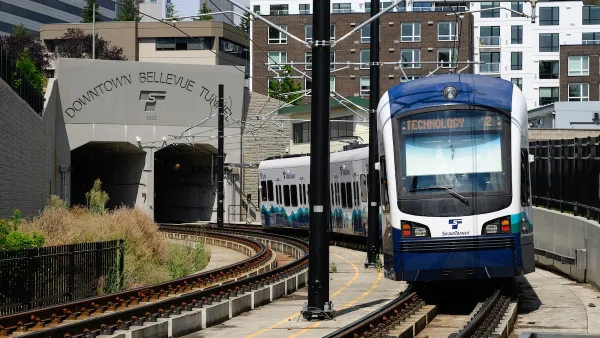
Why Should We Subsidize Public Transportation?
Many public transit agencies face financial stress due to rising costs, declining fare revenue, and declining subsidies. Transit advocates must provide a strong business case for increasing public transit funding.
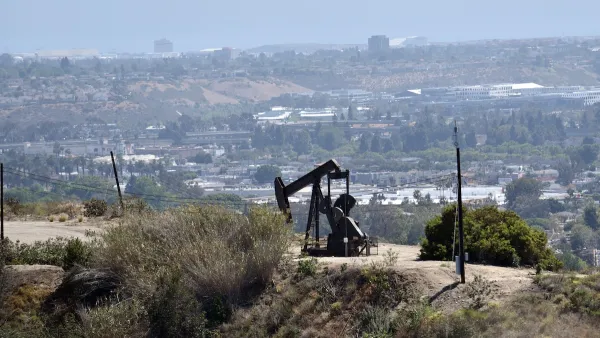
Tracking the Invisible: Methane Leaks From LA’s Neighborhood Oil Sites
Environmental advocates are using infrared technology to monitor and document methane leaks from neighborhood oil sites, filling regulatory gaps and pushing for stronger protections to safeguard community health and the climate.
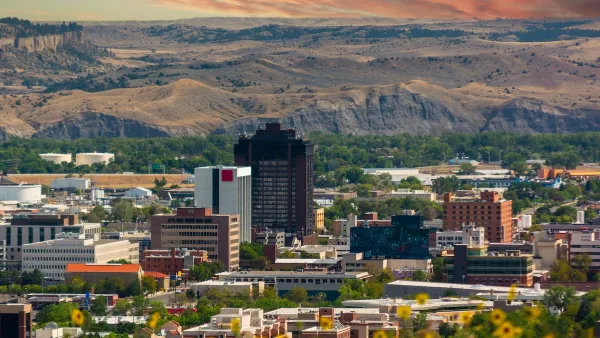
Montana Bill Promotes Parking Reform
A bill before the Montana state senate would bar cities from requiring more than one parking spot per new housing unit.
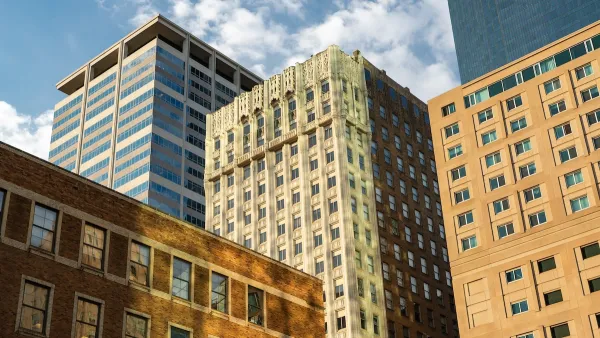
Minnesota Seeks State Support for Office Conversions
The 30% “CUB credit” would support the conversion of buildings 15 years or older into any use that “will return that vacant area to an income-producing, habitable condition.”
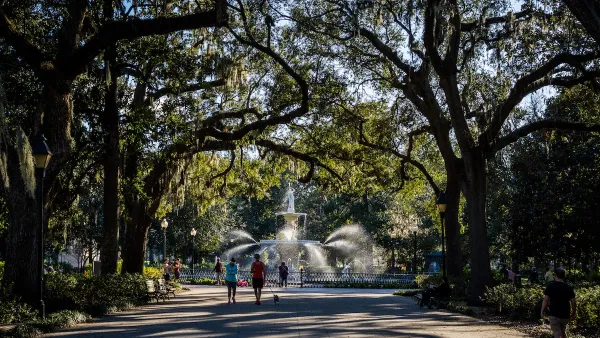
Survey: US Public Spaces Not Meeting Community Needs
A lack of funding prevents many U.S. parks and public spaces from playing a more significant role in helping residents meet daily needs.
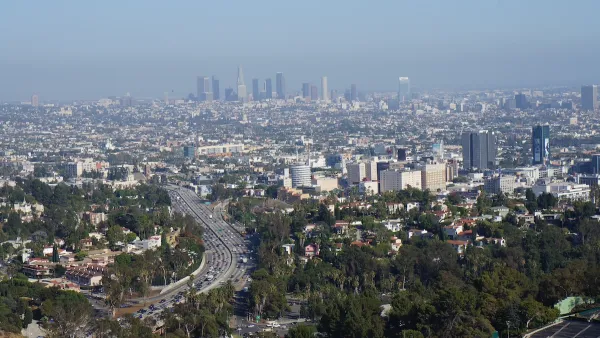
Updating LA’s Tree Rules Could Bring More Shade to Underserved Neighborhoods
A new USC study finds that relaxing Los Angeles’ outdated tree planting guidelines could significantly expand urban tree canopy and reduce shade disparities in lower-income neighborhoods, though infrastructure investments are also needed.
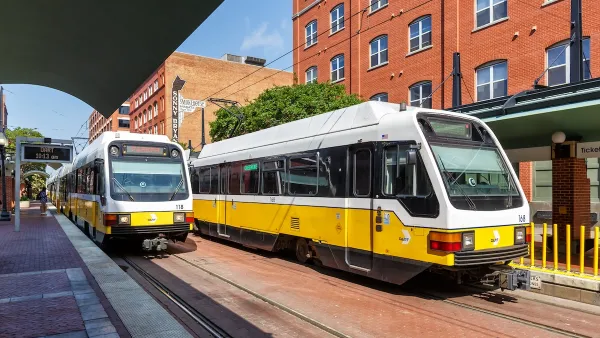
North Texas Transit Leaders Tout Benefits of TOD for Growing Region
At a summit focused on transit-oriented development, policymakers discussed how North Texas’ expanded light rail system can serve as a tool for economic growth.
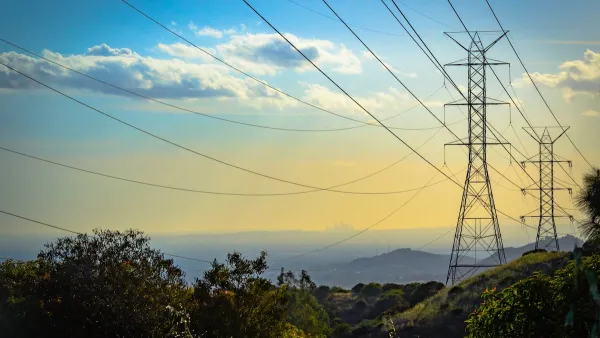
California Governor Suspends CEQA Reviews for Utilities in Fire Areas
Utility restoration efforts in areas affected by the January wildfires in Los Angeles will be exempt from environmental regulations to speed up the rebuilding of essential infrastructure.

Harnessing the Power of Fungi for Environmental Cleanup
Mycoremediation — the use of fungi to break down or absorb environmental pollutants — offers a promising, cost-effective, and eco-friendly alternative to conventional methods for restoring contaminated sites.
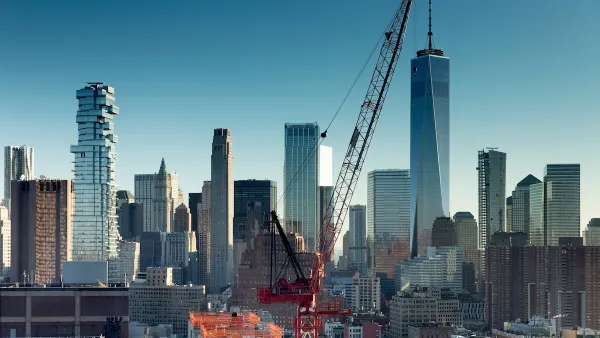
Lawsuit Aims to Stop NYC’s ‘City of Yes’ Zoning Reforms
A lawsuit brought by local lawmakers and community groups claims the plan failed to conduct a comprehensive environmental review.
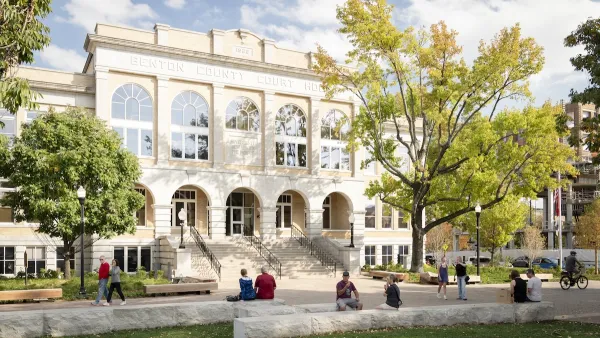
Placekeeping: Setting a New Precedent for City Planners
How a preservation-based approach to redevelopment and urban design can prevent displacement and honor legacy communities.
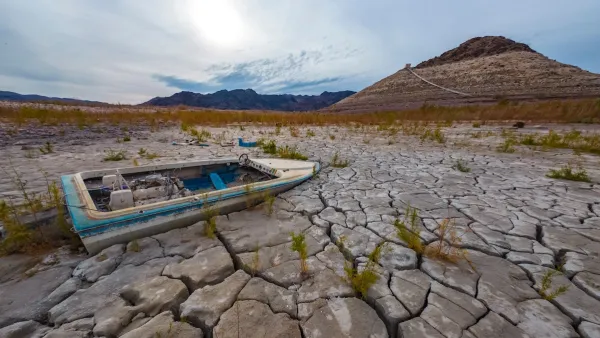
NOAA: Southwest ‘Megadrought’ to Persist
Roughly 40 percent of the 48 lower U.S. states are currently in some state of ‘abnormally dry conditions.’
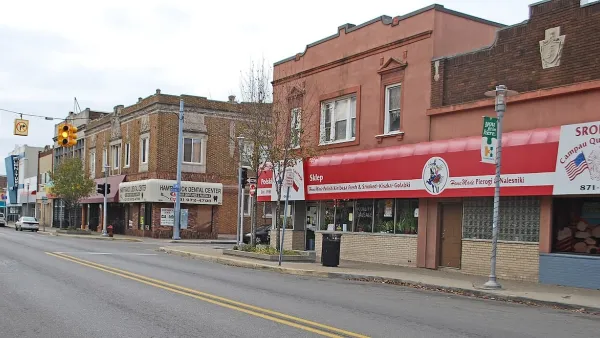
Research: Walkability Linked to Improved Public Health
A study reveals that the density of city blocks is a significant factor in communities’ walkability and, subsequently, improved public health outcomes for residents.
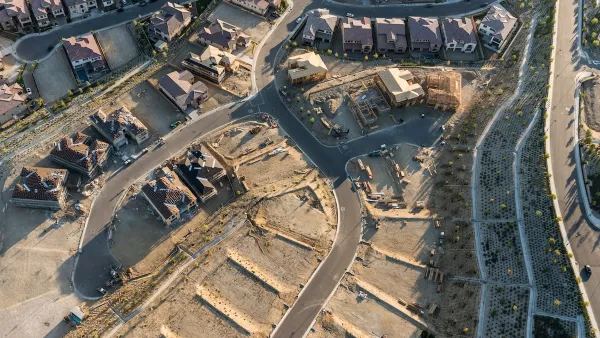
Report Outlines Strategies for Resilient Wildfire Recovery in LA
Project Recovery offers a roadmap for rebuilding more sustainable and climate-resilient communities after wildfires and other disasters.
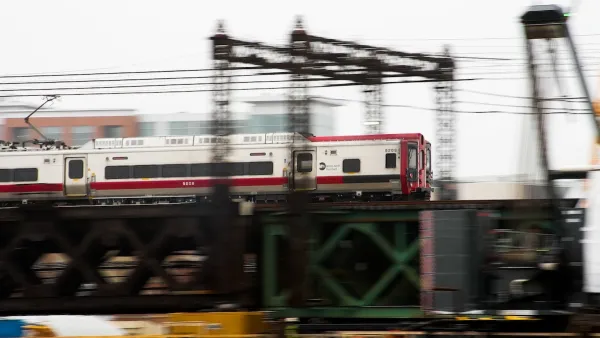
Connecticut Assembly to Reconsider TOD Bill
The ‘Work, Live, Ride’ bill would prioritize funding for designated transit-oriented zones to encourage denser development near transit.

Shaping LA’s Future: Public Voting Opens for LA2050 Grants
The LA2050 Grants Challenge invites Angelenos to vote on the top issues facing Los Angeles, helping direct $3 million in funding to organizations working to build a more connected and resilient region.

FREE Course: Walkable City 1: Why Walkability?
After describing his path towards focusing on walkability as the essence of good planning, Jeff Speck marches through his five principal reasons for making more walkable places.
Reinventing Malls: Planning Alchemy—Turning Gray Fields Into Gold
The course focuses on the opportunities and imperatives that shape reinvention of mall sites.

Eagle County Government
Harvard University Graduate School of Design
Nashville Planning Department
The Architects Foundation
University of Cincinnati Online
The Pocatello Development Authority
The Urban Renewal Agency of the City of Pocatello
Journal of the American Planning Association