Transportation
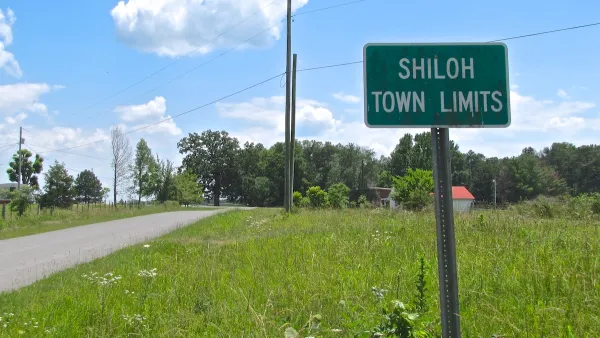
Highway Construction Flooded Their Homes; The State Says They’re Not Responsible
An earlier settlement for flood damages incurred by residents of Shiloh, Alabama came with an unexpected condition.
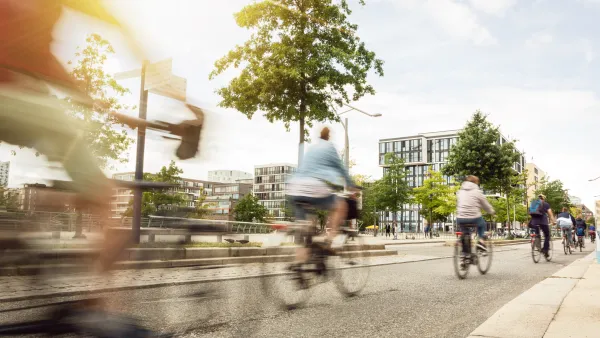
Book Review: Shifting Focus from Car-Free to Car-Lite Cities
Instead of aiming to make cities better for bikes, a new book argues we should be making cities better with bikes using a car-lite, not a car-free approach.
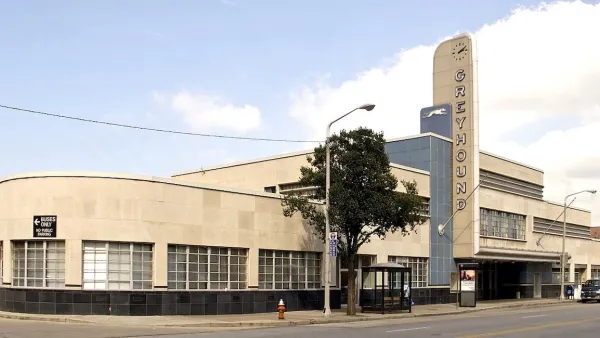
How Disinvestment and Hedge Funds Are Dismantling the US Intercity Bus System
The most affordable form of long-distance travel is being jeopardized as riders find themselves literally kicked to the curb.
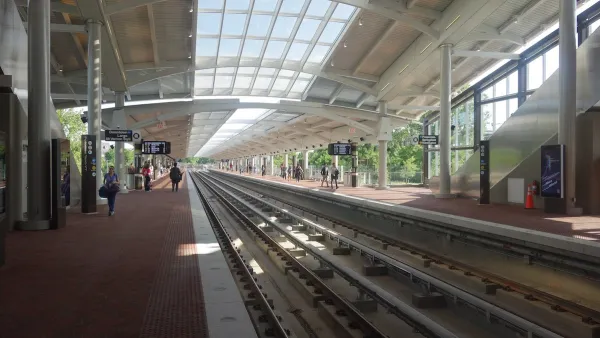
‘Infill Stations’ Bring Transit Closer to Residents
Building new stations along existing transit lines can significantly increase access in formerly passed-over neighborhoods.
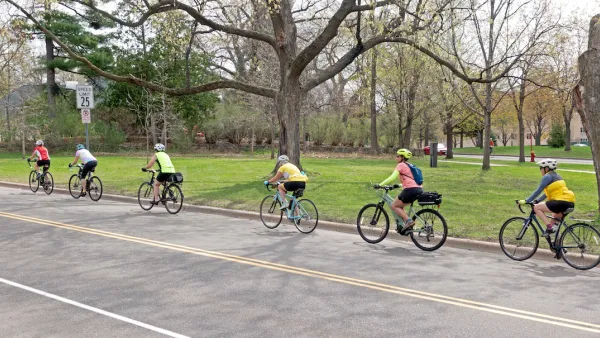
Twin Cities Suburbs Look to Improve Bike Facilities
Communities around Minneapolis and St. Paul are working to build more robust bike infrastructure networks.
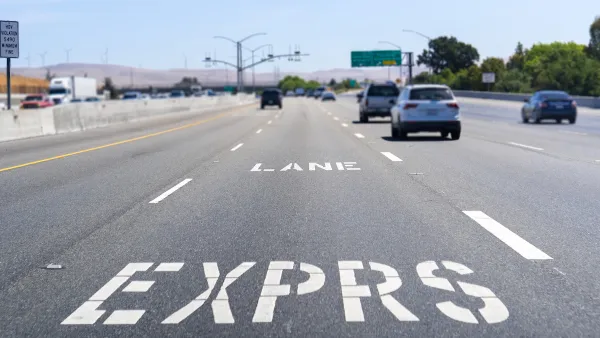
Congestion Pricing in the San Francisco Bay Area
Planners call them “express lanes,” but make no mistake, they are congestion pricing in action, and they're successful. The Bay Area network of what the Federal Highway Administration calls “high-occupancy toll (HOT) lanes” is growing.
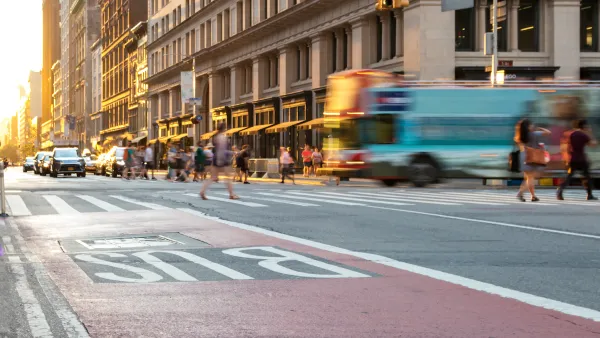
NYC’s Vision Zero Program Saved $90 Million in Medicaid Costs
While traffic fatalities remain far above zero, the city saw fewer injuries compared to areas without Vision Zero initiatives.
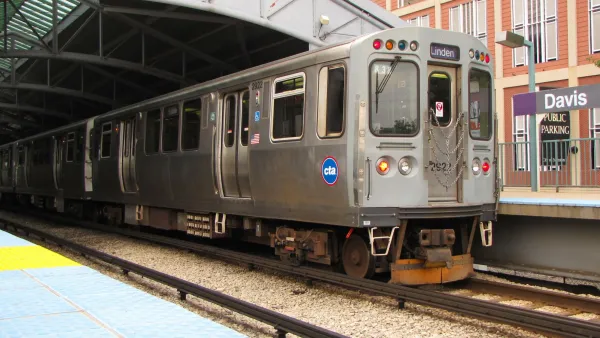
Chicago Transit Recovery Trails Behind Other Major US Cities
Sluggish ridership rates and staffing shortages are dampening recovery. Looming budget gaps could make things even worse.
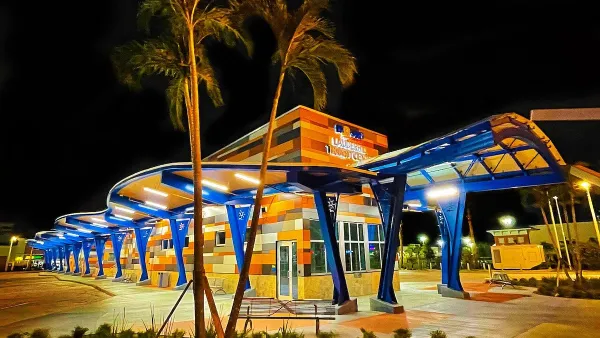
Broward County Transit Security Program Provides Services to Unhoused Riders
The agency worked with local partners to provide housing referrals and health services to homeless residents who frequent the transit system.
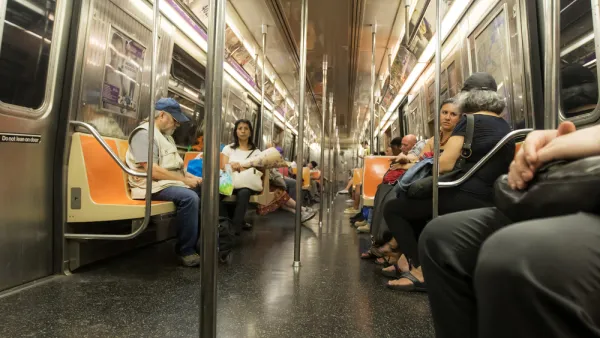
Suburban Politics Threaten to Derail Transit Recovery
Some of the country’s largest public transit systems are scrambling to find new sources of revenue as emergency aid dollars dry up, but some stakeholders don’t see their value.
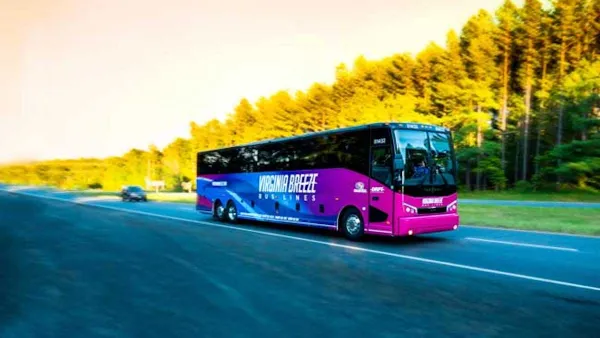
A Business Case for Improving Interregional Bus Service
Interregional bus service is the neglected stepchild of the transportation family. We need better non-auto connections between communities.
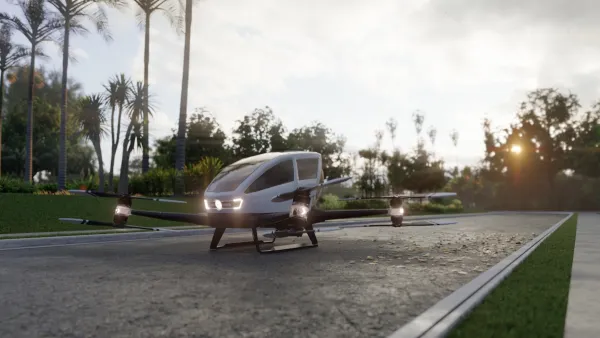
Cities Prepare to Regulate Air Taxis
If the technology takes off, city officials will need to step into the world of aviation rules to ensure safety and limit environmental impact.
Birmingham, Ala. Passes ‘Landmark’ Parking Reform
New businesses in Birmingham, Alabama will no longer have to provide a minimum number of parking spaces.
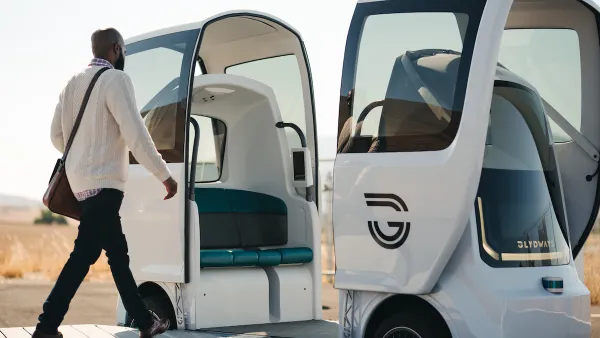
Self-Driving Microtransit System Coming to Contra Costa County
The autonomous, four-person pods would travel on an enclosed track, but is it an effective model for public transit?

Michigan Considers Mileage-Based Road Usage Fee Pilot Program
Exploring alternative road funding options is a priority for Michigan legislators to make up the state’s road funding gap.
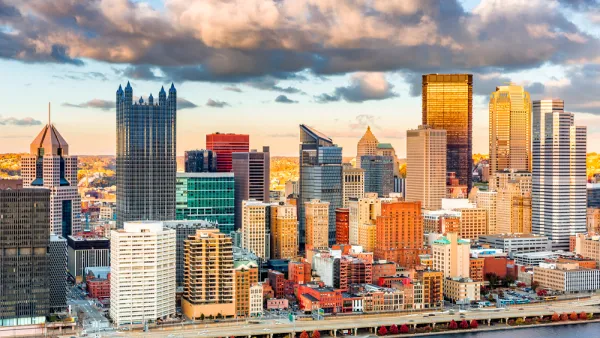
Pittsburgh Regional Transit Launches First Ever Climate Action Plan
In addition to reducing emissions, the agency officials hope the climate action plan will help increase ridership and boost their competitiveness when applying for federal transit funding.
Seattle Mayor Raises Transportation Levy by $100 Million
The proposal sent to City Council includes more funding for multimodal transportation and road safety.
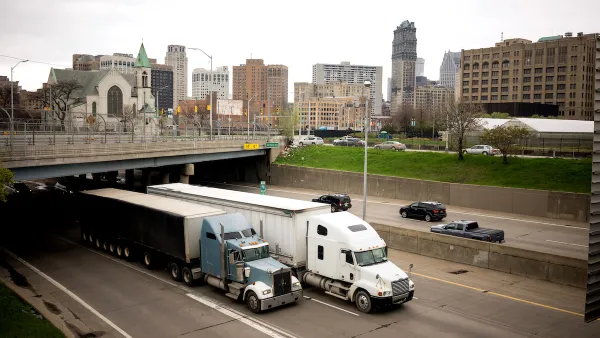
Detroit Metro Testing ‘Smart Road’ Tech
Sensors installed along a segment of Interstate 94 could help improve safety, limit speeding, and alert officials to potholes and debris.
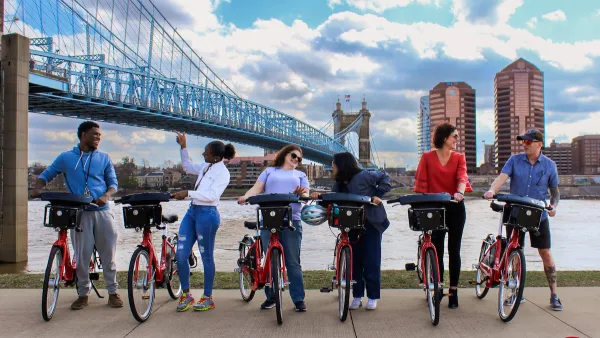
Cincinnati Bike Share System To Relaunch May 13
The Red Bike system suspended operations in March, but has since raised funds through a private campaign to resume service.
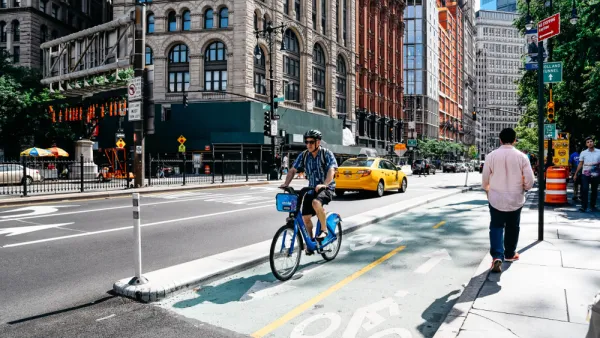
New York City Plans Street Safety Projects as Congestion Pricing Nears
With congestion pricing projected to reduce the number of cars entering Manhattan, NYCDOT plans to repurpose street space to build more pedestrian and bike infrastructure.

FREE Course: Walkable City 1: Why Walkability?
After describing his path towards focusing on walkability as the essence of good planning, Jeff Speck marches through his five principal reasons for making more walkable places.
Reinventing Malls: Planning Alchemy—Turning Gray Fields Into Gold
The course focuses on the opportunities and imperatives that shape reinvention of mall sites.

City of Rosemead
Rutgers University, Edward J. Bloustein School of Planning and Public Policy
One Hundred Miles
University of Michigan School for Environment and Sustainability (SEAS)
Hunter College, City University of New York (CUNY)
The Architects Foundation
City of Cambridge
The Pocatello Development Authority
The Urban Renewal Agency of the City of Pocatello









