Transportation
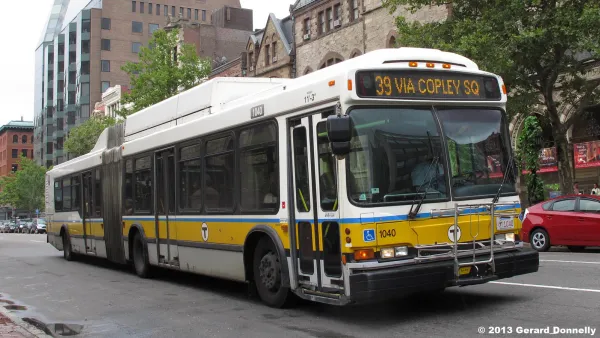
Around the Country, Cities Face Bus Driver Shortages
Cities like St. Louis, Denver, and Minneapolis have have fewer bus drivers than the transit system requires. The shortages are effecting the quality of service.
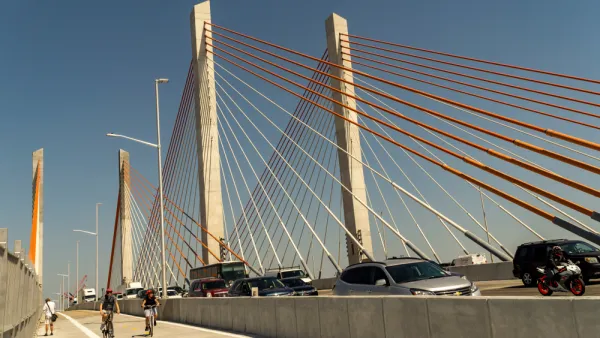
A New Bridge to Connect Brooklyn and Queens
The new Kosciuszko Bridge offers multi-modal passage between boroughs, views to the Manhattan skyline, and probably impossible promises of congestion reduction.
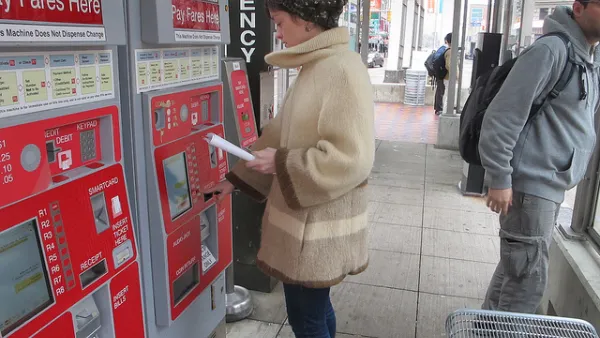
The Benefits of Transit Fare Capping
There's more than one way to incentive transit ridership with fare capping.
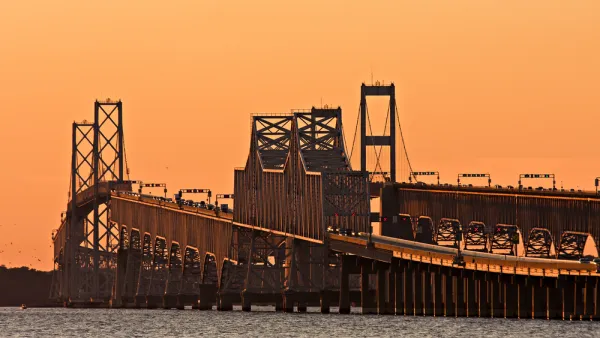
Editorial: The Best New Chesapeake Bay Bridge Is No New Chesapeake Bay Bridge
The Baltimore Sun Editorial Board finds numerous faults with the state of Maryland's preliminary investigation of an idea to add another bridge across the Chesapeake Bay near Annapolis.
Uber's Complicated Story
Since its founding a decade ago, Uber has reshaped the world through a trajectory of highs and lows.
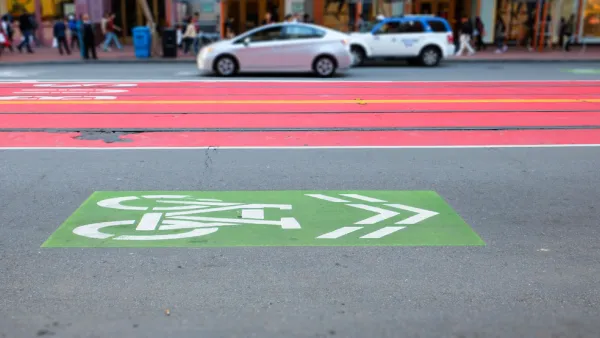
Lack of Traffic Safety Enforcement Blamed for Vision Zero Failures
Education, engineering, and enforcement are the three "e's" of Vision Zero in San Francisco. A lack of on of those "e's"—enforcement—might explain why more people are dying on the city's streets this year that any year since the city adopted Vision Z
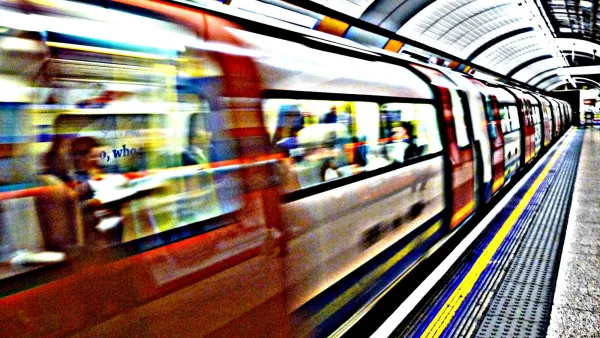
London Underground 'Waste Heat' to Warm City Homes
Part of a plan to move United Kingdom to renewable energy involves using heat from the London Underground to heat homes.
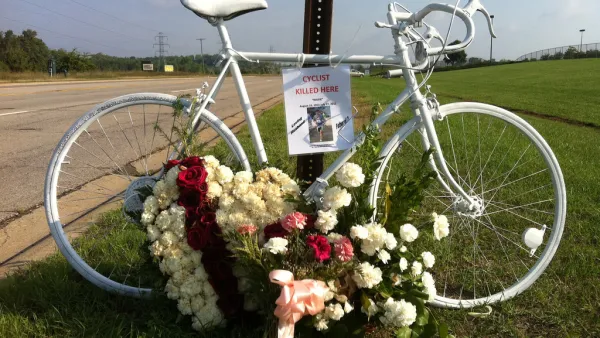
Op-Ed: Street Safety Is a Matter of Race
What do traffic safety and gun violence have in common? A lot, as it turns out. In both cases, hard-hit neighborhoods tend to have suffered from historical disinvestment along racial lines.
Wheels, Scooters, and the Centuries-Old Fight for City Streets
Through the lens of Phoenix, a look back at bicycles in 1893, scooters in 2019, and how the similarities of both betray a bigger issue: The dangerous design of city streets, which favor cars, create conflict, and have long put people at risk.
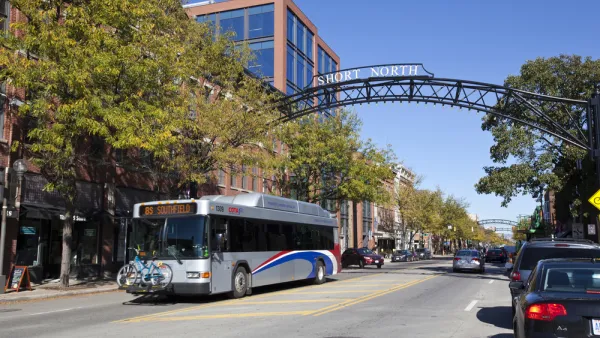
Columbus Makes Big Strides in Air Quality
Columbus achieved something no other U.S. city has managed: moving out of non-compliance with federal air quality standards for ground-level ozone.
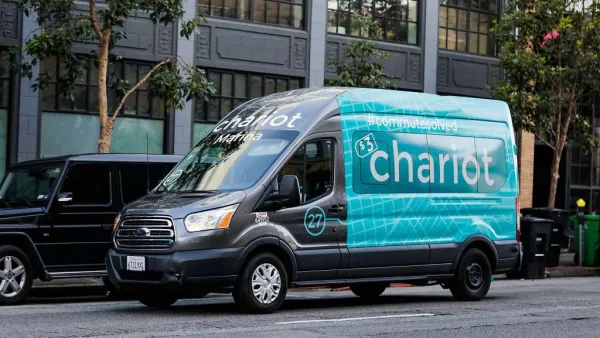
When Microtransit Works as Public Transit, Explained
How to make Microtransit work. Hint: it's about coverage, not ridership.
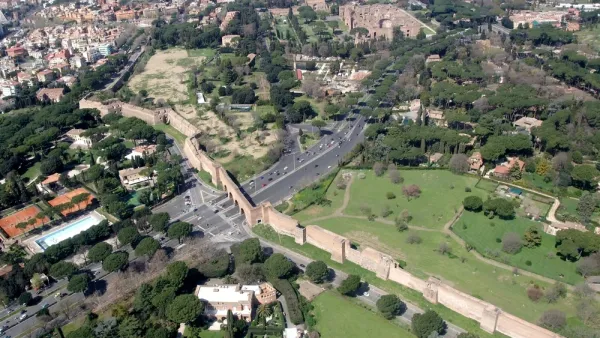
How Transportation Technology Determines the Footprint of Cities
The Marchetti Constant, the willingness of people to travel for about a half an hour to get to and from work, explains the size of cities in history, and the metropolitan areas of today.
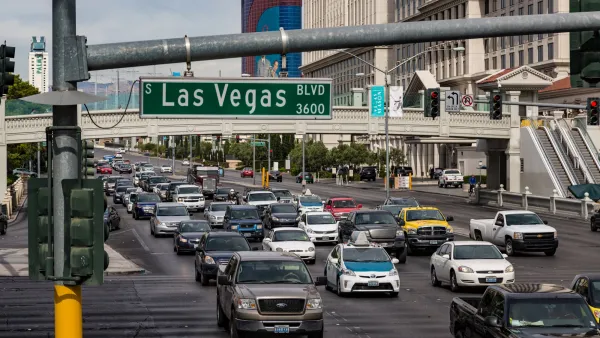
Nevada to Embark on 7-Year Program to Record Mileage of Motorists
Nevada is one of 15 states in the Western Road Usage Charge Consortium that are considering a transition from funding their transportation budgets largely by taxing the gallons of fuel that vehicles burn to charging drivers for miles driven.
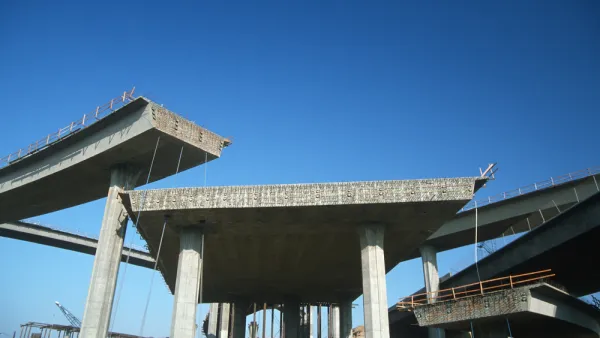
$225 Million in Federal Funding for Rural Bridge and Highway Projects Announced
The U.S. Department of Transportation this week announced the recipients of $225 million in project funding under the Competitive Highway Bridge Program. The program is reserved for projects located in mostly rural states.
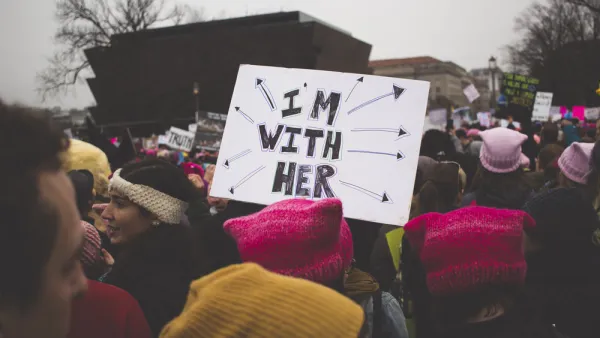
Gender Bias in Urban Systems
A list of all the ways cities and infrastructure are designed for men, and at the expense of women.
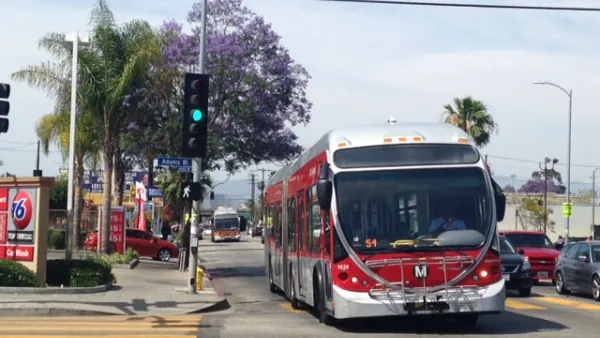
Bus Ridership Declines Challenge Los Angeles
The Wall Street Journal reports that bus riders on the Los Angeles County Transportation Authority system has declined significantly in recent years.
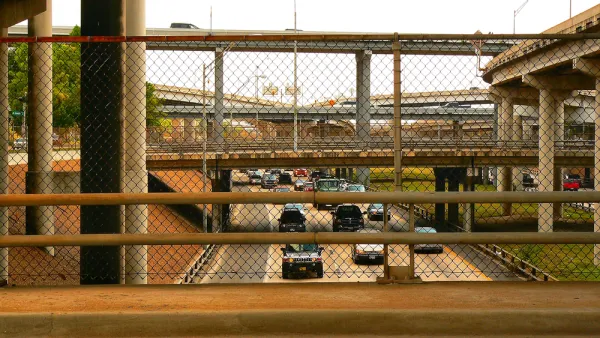
Smart Congestion Costing: A Critical Evaluation of the 'Urban Mobility Report'
The new "Urban Mobility Report" provides widely-cited congestion cost estimates. However, its analysis is neither comprehensive nor objective. Anybody using these estimates should understand its omissions and biases.
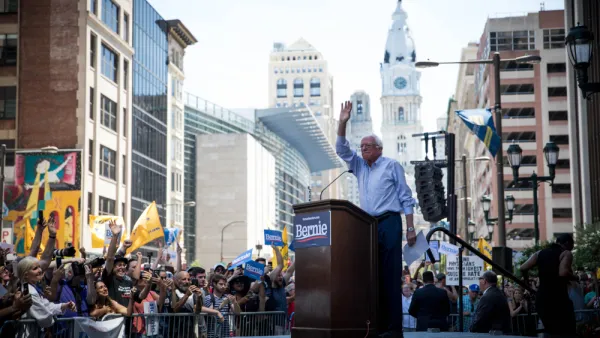
Message to Candidates: Don't Forget Car Dependence When Tackling Fossil Fuels
Car dependence will have to end for the most ambitious climate plans put forward by Democratic candidates for president to have the desired effect.
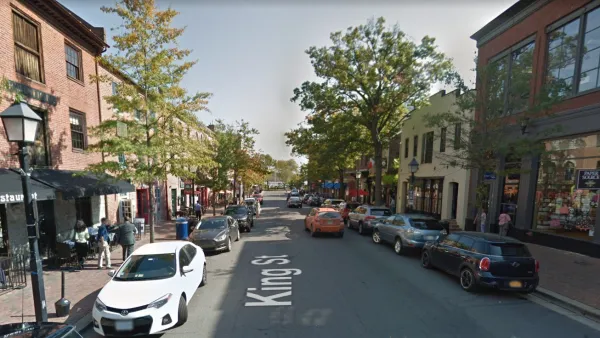
A Car-Free Street Dream in Northern Virginia
The city of Alexandria has begun to explore the idea of transforming sections of King Street into a car-free pedestrian zone.
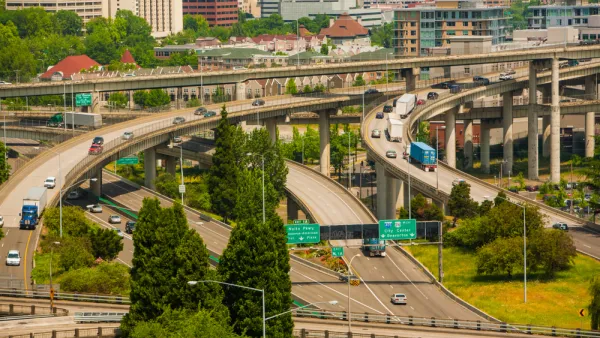
Reports: Full Environmental Review Likely for Portland Freeway Widening Project
An initial environmental assessment for a project to widen I-5 in Portland claimed the project would improve air quality, congestion, and traffic safety. Critics of the project weren't convinced.

FREE Course: Walkable City 1: Why Walkability?
After describing his path towards focusing on walkability as the essence of good planning, Jeff Speck marches through his five principal reasons for making more walkable places.
Reinventing Malls: Planning Alchemy—Turning Gray Fields Into Gold
The course focuses on the opportunities and imperatives that shape reinvention of mall sites.

Greater Baltimore Committee
Eagle County Government
Harvard University Graduate School of Design
The Architects Foundation
University of Cincinnati Online
The Pocatello Development Authority
The Urban Renewal Agency of the City of Pocatello
Journal of the American Planning Association