Multigenerational Housing
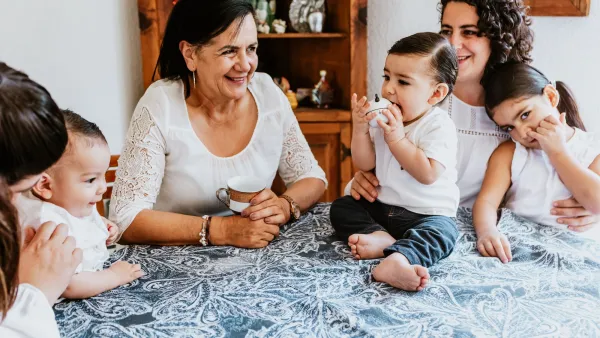
“Multi-gen Floor Plans” and More: How Builders are Responding to the Multigenerational Housing Boom
After a decade-long decline, more Americans are living with parents, grandparents, and extended family, calling for new home designs and living arrangements.
Number of Young Adults Living at Home Jumps 6.3% in 10 Years
High housing costs are driving more people under 35 to move back in with their parents, in many cases delaying other milestones like marriage and children.
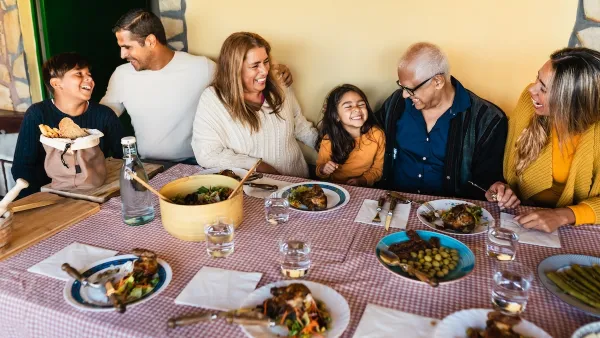
NYC to Require 20% of Senior Housing be Multigenerational
The Senior Affordable Rental Apartments program now requires some two-bedroom units to accommodate adult children or other caregivers.
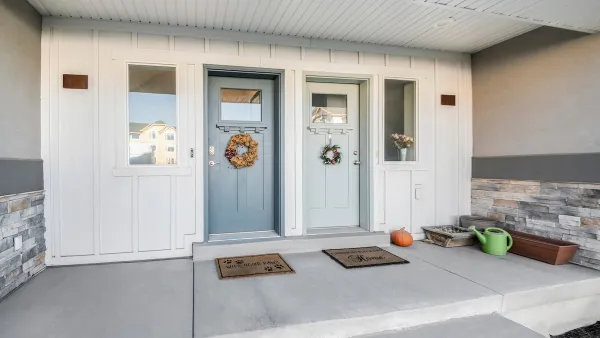
How Single-Family Conversions Benefit Both Homeowners and Cities
Converting single-family homes to triplexes can ease the housing crisis and offer affordable, flexible options for more households. Why is it largely illegal?

Anchorage Leaders Support Multigenerational Housing Model
The city is making it easier to build multigenerational housing that can accommodate families, children, and seniors who want to ‘age in place.’
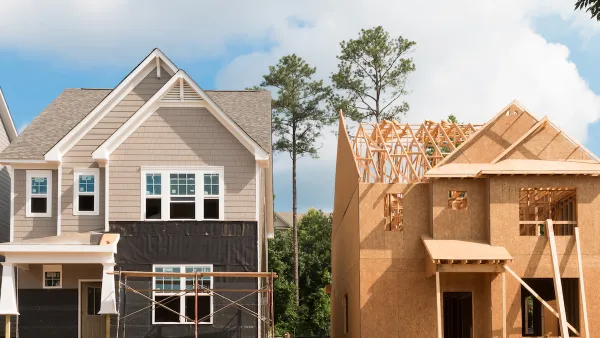
Commentary: When Neighborhood Change is Inevitable
Changes in the size and type of housing can accommodate different living arrangements and offer opportunities for multigenerational living and aging in place.
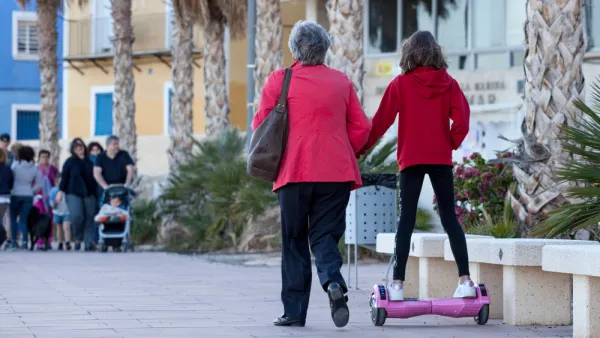
'Grandfamily' Housing Fills a Need in the Housing Market
Grandfamily housing, as described by a recent article in The New York Times, is a kind of intergenerational housing model that caters to older Americans raising children.
1 in 5 Americans Now Living in Multi-Generational Households
The number of Americans living in multi-generational households is approaching levels not seen since the 1950s.
Builders Respond to Desire for Multigenerational Homes
The new American household is much like the old multigenerational household that existed before World War II, recent population trends show. And builders are responding by offering "bonus" and "flex" rooms, while circumventing outdated zoning.

FREE Course: Walkable City 1: Why Walkability?
After describing his path towards focusing on walkability as the essence of good planning, Jeff Speck marches through his five principal reasons for making more walkable places.
Reinventing Malls: Planning Alchemy—Turning Gray Fields Into Gold
The course focuses on the opportunities and imperatives that shape reinvention of mall sites.

City of Charlotte
City of Rosemead
Rutgers University, Edward J. Bloustein School of Planning and Public Policy
University of Michigan School for Environment and Sustainability (SEAS)
Hunter College, City University of New York (CUNY)
The Architects Foundation
University District Partnership









