After a decade-long decline, more Americans are living with parents, grandparents, and extended family, calling for new home designs and living arrangements.



More American families are living in multigenerational households, driven in part by the high costs of housing and child and elder care, according to a report from the Home Buying Institute.
Now, home builders are offering more varied designs and multi-generational floor plans that can accommodate larger family groups, and city leaders are adjusting zoning codes to permit more flexible forms of housing such as accessory dwelling units (sometimes known as ‘granny flats’).
“The 2020 Census counted roughly 6 million multigenerational family households, up from about 5.1 million in 2010.” Surveys reveal that the main reasons for choosing multigenerational living are financial and practical, such as wanting proximity to older parents for caregiving.
According to the report, Gen Xers are the most likely to buy multigenerational homes. “They’re old enough to have aging parents who need support, young enough to still have kids at home, and financially established enough to afford a larger home. Many are also in their peak earning years.”
Builders are responding with designs that include semi-detached units with separate entrances, extra square footage, and separately controlled features such as climate control.
FULL STORY: Trend Watch: The Rise of Multigenerational Housing in the U.S.

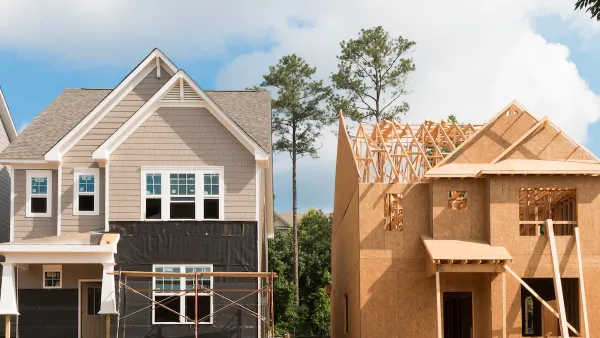
Commentary: When Neighborhood Change is Inevitable
Changes in the size and type of housing can accommodate different living arrangements and offer opportunities for multigenerational living and aging in place.
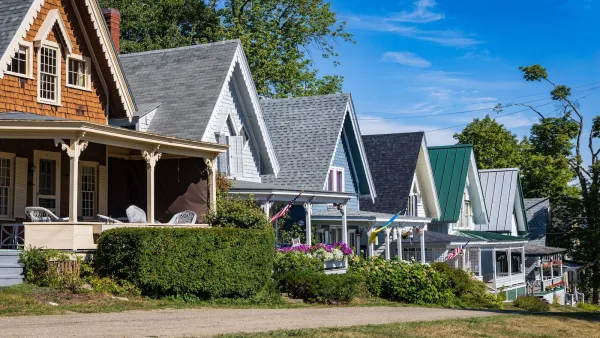
ADUs accounted for 9% of new Maine building permits in 2025
Maine officials approved roughly 500 ADU permits last year.

Co-living ‘Microapartments’ Cost Half as Much to Build as Typical Studios
In 10 major U.S. metros, an analysis found that converting office buildings to small co-living units could dramatically cut the costs of construction.

Planetizen Federal Action Tracker
A weekly monitor of how Trump’s orders and actions are impacting planners and planning in America.

The state-sanctioned urbicide of Austin
People don’t kill cities. Freeways do.

US to reduce Colorado River water deliveries to Mexico
A new Colorado Treaty amendment reduces Mexico’s Colorado River water allocation by 250,000 acre feet.

5 New England states march closer to 800 megawatt wind energy project
Securing federal approval for the project may be complicated under the Trump administration, which has historically been hostile towards domestic wind power.

Baltimore to break ground on $50 million Transit Priority Project
The project will bring faster bus trips, safer streets and better bike connections to Baltimore.

Airbnb launches $250 million 'last-dollar financing' housing accelerator, makes first investment in Austin
The company will put $6.4 million towards affordable housing development in Texas’ capital.

FREE Course: Walkable City 1: Why Walkability?
After describing his path towards focusing on walkability as the essence of good planning, Jeff Speck marches through his five principal reasons for making more walkable places.
Reinventing Malls: Planning Alchemy—Turning Gray Fields Into Gold
The course focuses on the opportunities and imperatives that shape reinvention of mall sites.

Eagle County Government
Harvard University Graduate School of Design
Nashville Planning Department
The Architects Foundation
University of Cincinnati Online
The Pocatello Development Authority
The Urban Renewal Agency of the City of Pocatello
Journal of the American Planning Association