Transportation Planning

Austin’s Project Connect Gains Key Budget Approval
The light rail project can move forward with the engineering and design phase, with a groundbreaking expected in 2027.
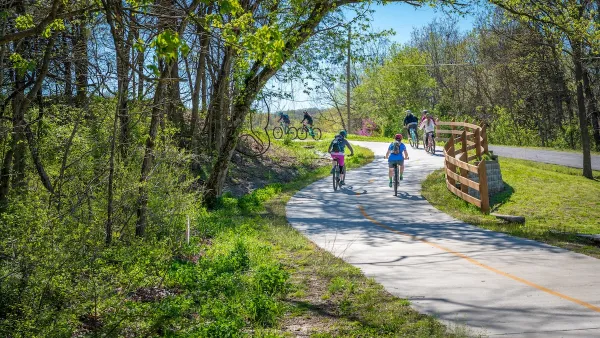
Repositioning Bike and Walking Trails as Essential Infrastructure
Cities and states can access federal transportation funding by including trails in long-range transportation plans.
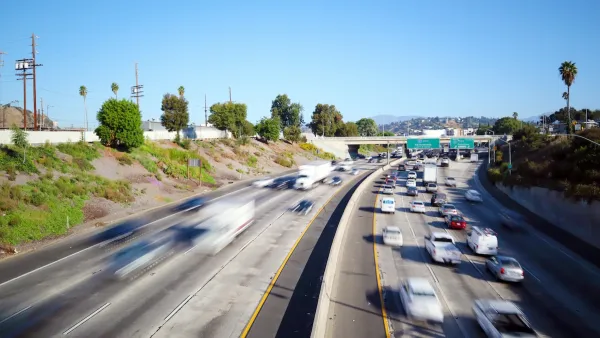
Opinion: LA Should Reject ‘Misguided’ Car-Centric Policies
Even as the city highlights clean energy and transportation for the 2028 Olympics, Metro and Caltrans move forward with plans to expand highways.
NYC DOT Podcast Makes Transportation Planning Accessible
‘Curb Enthusiasm’ features transportation experts and discussions on local, national, and global transportation planning topics.
Reconsidering Travel Behavior in an Era of Decarbonization
It is time to reconsider assumptions about how much and how people want to travel. Per capita vehicle travel has saturated. Many people would prefer to drive less and rely more on non-auto modes, provided they are convenient and affordable.
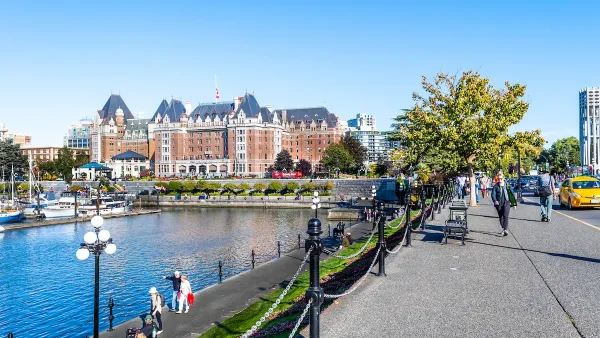
Planners be Nimble, Planners be Quick
Planning should be methodical and responsive to community needs, but not to the point of inefficiency. Too much planning can be just as harmful as too little.
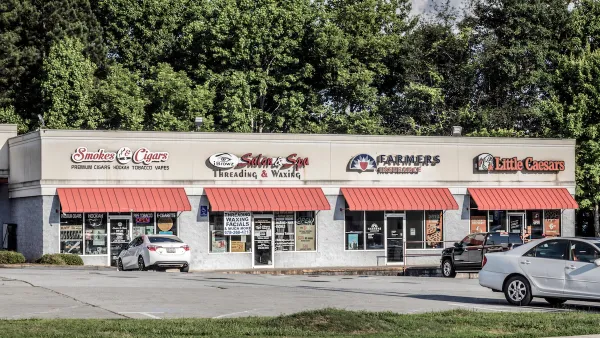
‘Stroads:’ The Worst of Both Worlds
An urban planning critic says the U.S. should build streets for people to live on, and roads to move traffic quickly.
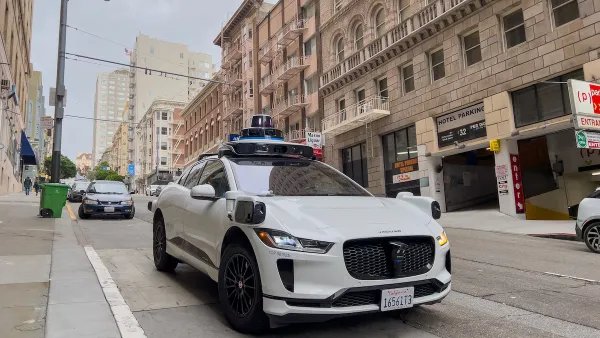
The Era Of Autonomous Vehicles Has Arrived
Autonomous vehicles are no longer perpetually “five years away.” They are here now. Planners must act now to ensure they don't degrade city life.
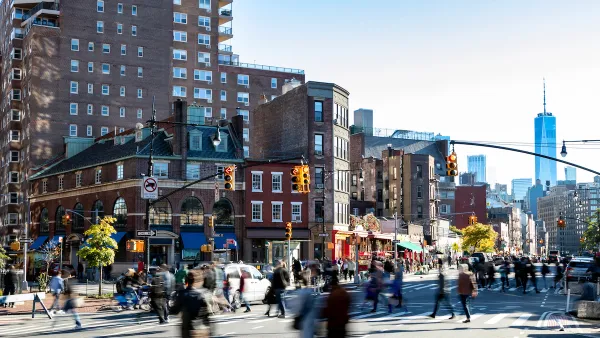
Planning for Accessibility: Proximity is More Important than Mobility
Accessibility-based planning minimizes the distance that people must travel to reach desired services and activities. Measured this way, increased density can provide more total benefits than increased speeds.
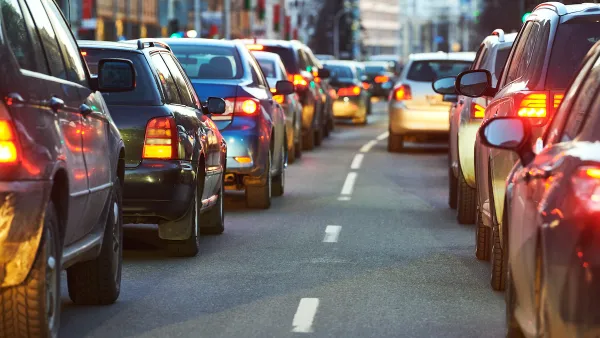
Calculating Vehicle Travel Reduction Benefits
The Rocky Mountain Institute's new Smarter MODES Calculator quantifies economic, social and environmental benefits provided by shifts from automobile travel to more resource-efficient modes. This includes benefits that are often overlooked or undervalued in conventional planning.
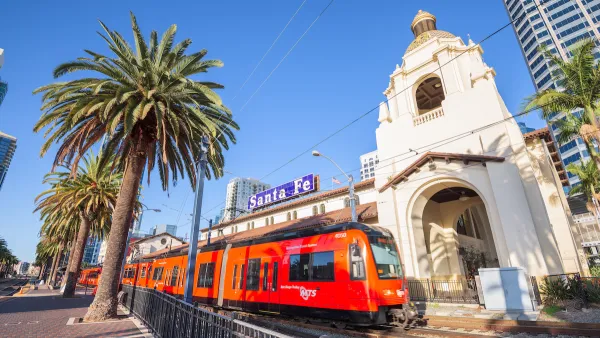
San Diego Region Developing Long-Range Transportation Plan
The new plan, set to take effect in 2025, accounts for changes in mobility patterns brought on by remote work.

Planetizen’s Top Planning Books of 2023
The world is changing, and planning with it.

Planning for the Autonomous Future
With some historical perspective, transportation planners and policymakers can avoid the mistakes of the past and develop a transportation system that acknowledges the needs of all road users.
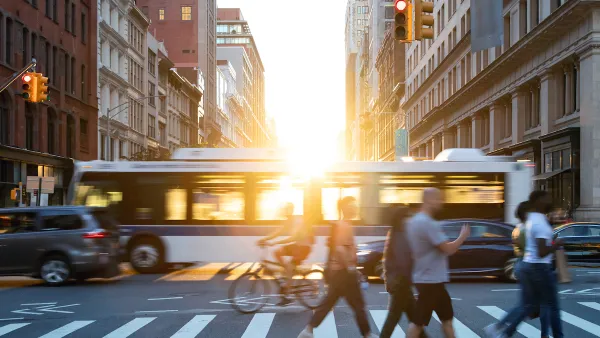
When it Comes to Vehicle Travel, Less is More
Motor vehicle travel provides many benefits, but also imposes large costs on users and communities. With better planning people can drive less, rely more on non-auto modes, enjoy more access, and be better off overall as a result.
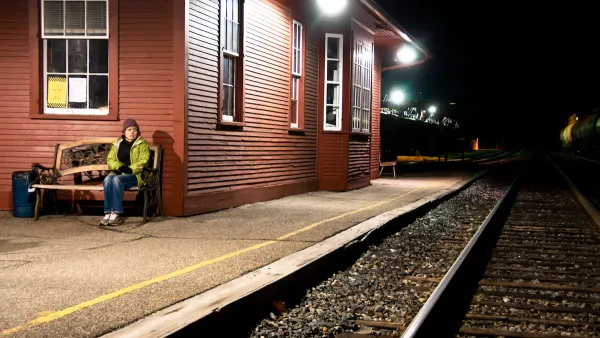
Turning a Gendered Lens on Transportation
People of different genders, ages, and abilities experience transportation differently. But policies aren’t designed that way.
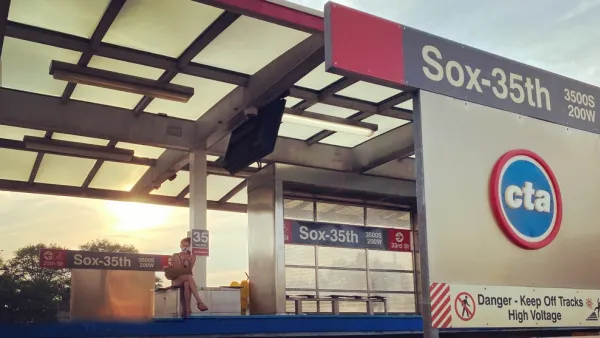
$2 Billion Federal Grant for Red Line Extension Project to Chicago’s South Side
A plan to extend the Chicago Transit Authority (CTA) Red Line 5.6 miles to the south won a $2 billion grant from the federal government.
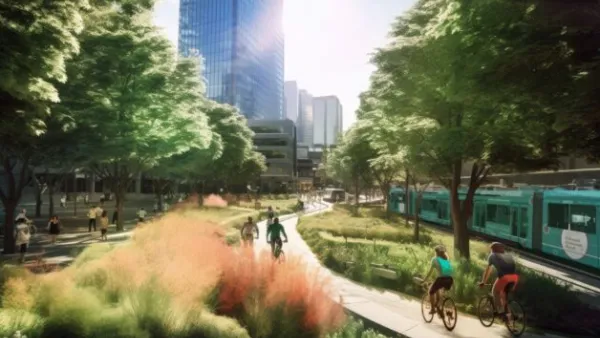
Seattle Releases Draft 20-Year Transportation Plan
The draft Seattle Transportation Plan proposes an ambitious agenda for the next 20 years of transportation planning in the city of Seattle.
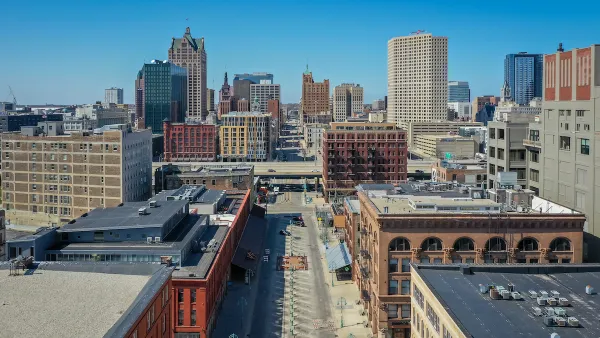
Plan to Potentially Remove Downtown Milwaukee’s Interstate Faces Public Scrutiny
The public is weighing in on a suite of options for repairing, replacing, or removing Interstate 794 in downtown Milwaukee.
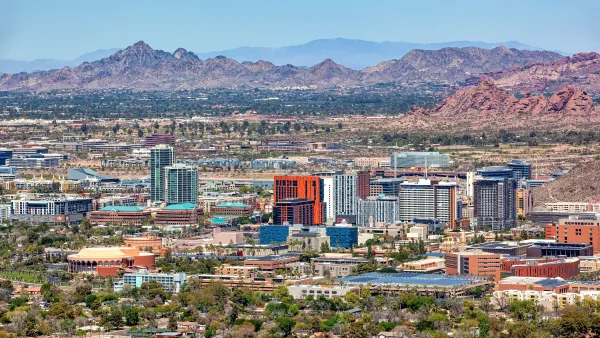
‘Tempe Tomorrow’ Plans for Expected Population Growth
Tempe planners are preparing a General Plan update scheduled for voter approval in March 2024.
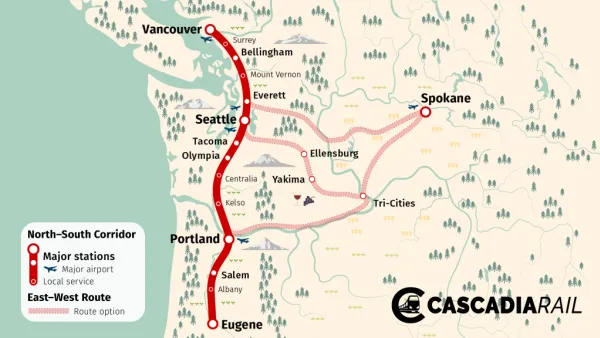
Cascadia High-Speed Rail Corridor Seeking Federal Funding
The state of Washington is hoping federal infrastructure funding can pay for $198 million of the $348 million necessary to plan the Cascadia High-Speed Rail project.

FREE Course: Walkable City 1: Why Walkability?
After describing his path towards focusing on walkability as the essence of good planning, Jeff Speck marches through his five principal reasons for making more walkable places.
Reinventing Malls: Planning Alchemy—Turning Gray Fields Into Gold
The course focuses on the opportunities and imperatives that shape reinvention of mall sites.

City of Rosemead
Rutgers University, Edward J. Bloustein School of Planning and Public Policy
One Hundred Miles
Hunter College, City University of New York (CUNY)
The Architects Foundation
University of Cincinnati Online
City of Cambridge
Montrose County
The Pocatello Development Authority









