Transportation Planning
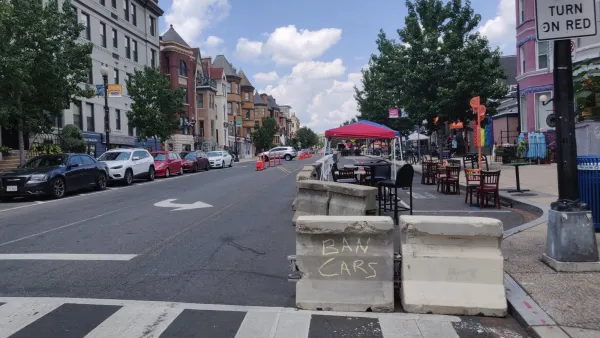
The Most Complete Map of U.S. Pedestrian Risk Yet
New research published by the Journal of Transport and Land Use analyzes tens of thousands of pedestrian fatalities over 16 years in the United States.

Study: Without Fewer Cars, Cities Will be 'Overrun by Gridlock'
Local leaders must invest in public transit and other incentives to reduce the number of private vehicles and congestion in cities.
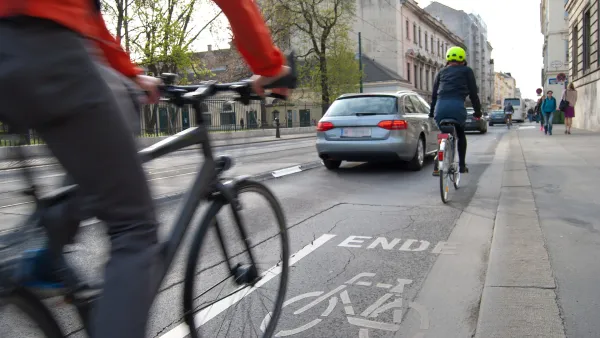
Biking's Billion-Dollar Value, Right Under Our Wheels
A strategic switch to biking would dramatically reduce the depth of roads, saving untold billions over the next generation.
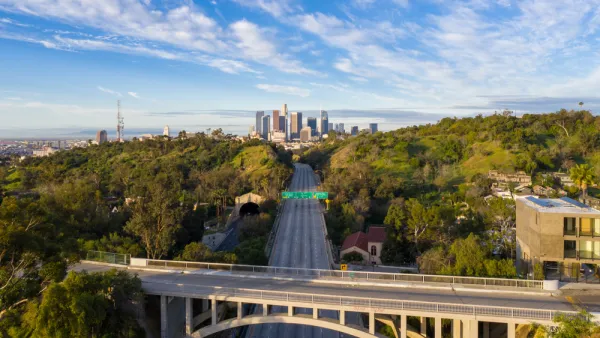
L.A. Metro Board Approves Changes to Highway Program
The updated language clarifies that projects can include Complete Streets features, items supported by the county's voters through Measure M.
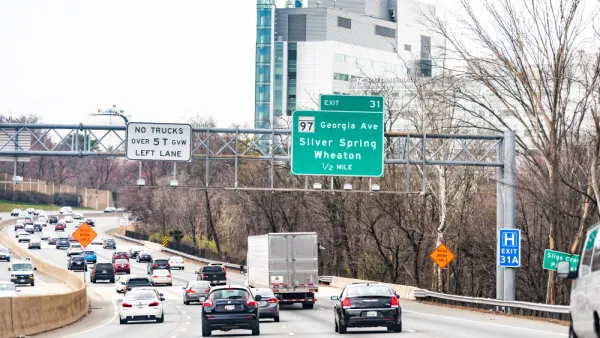
New Long-Range Transportation Plan for the D.C. Region Will Include a Climate Addendum
The National Capital Region Transportation Planning Board has almost completed the latest version fo the Visualize 2045 long-range transportation plan, but it is already making plans to add a climate plan to the final product.
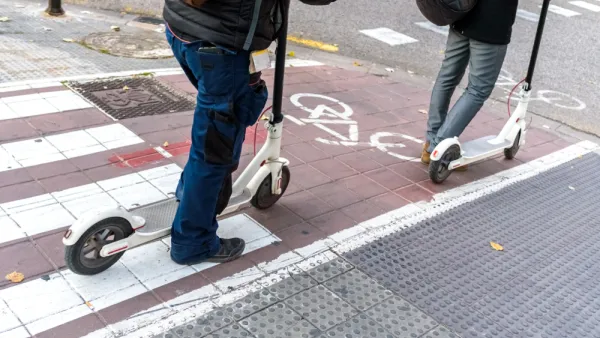
Planning for New Mobilities: Preparing for Innovative Transportation Technologies and Services
New mobilities—emerging transportation technologies and services—have tantalizing potential. They allow people to scoot, ride, and fly like never before. However, they can also impose surprising problems. How should communities prepare?

Bikelash Wins in Phoenix
Neighborhood opposition overwhelmed a plan to reduce the number of vehicles lanes on North Central Avenue to make space for a new bike lane, despite evidence of the benefits of the proposed street reconfiguration.
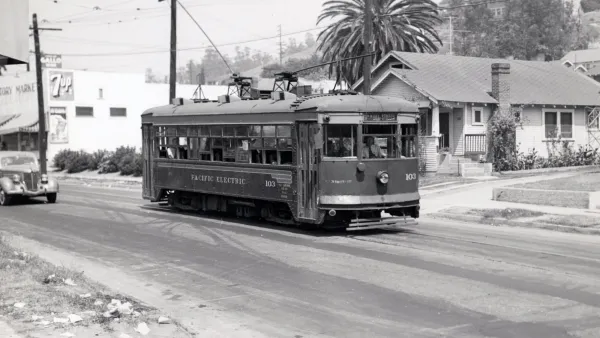
What Are Streetcar Suburbs?
Named after the mode of transportation that made their existence possible by dramatically reducing travel times, streetcar suburbs are communities located along streetcar lines farther out from city centers, on the periphery of the urban areas in the late 19th century.
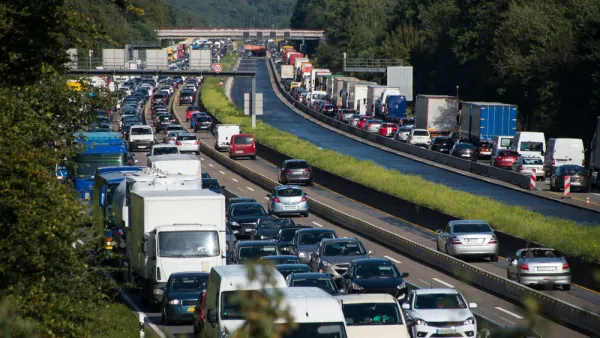
Can Pandemic-Era Changes Ease Painful Rush Hours?
If even a small fraction of workers continue to work remotely or have more flexible hours, the resulting reduction in rush hour travelers could have a significant impact on peak hour congestion.
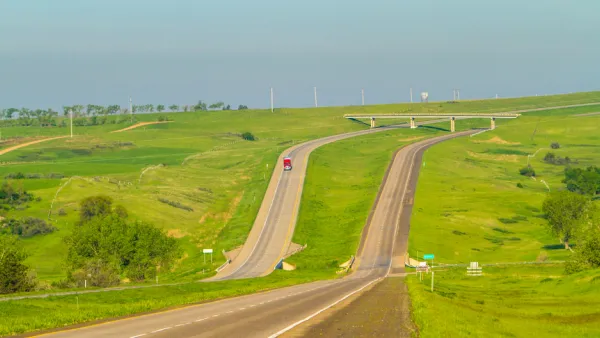
Five-Year Transportation Bill Has a Ways to Go
House and Senate versions of the five-year surface transportation reauthorization bill are on different tracks, headed in different directions.
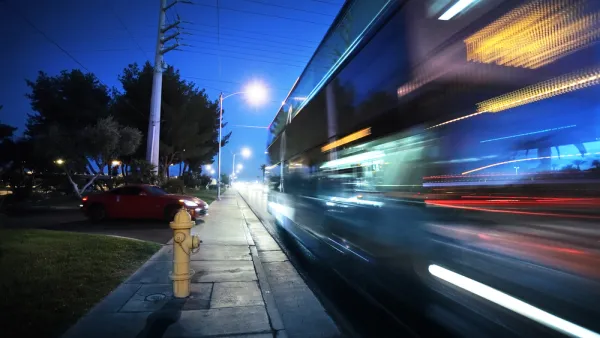
Latest Traffic Safety Data Adds Grim Death Count to an Already Tragic Year
The public health epidemic created by dangerous roads, dangerous cars, and dangerous drivers was exacerbated by the COVID-19 pandemic, according to recent data from the National Highway Traffic Safety Administration.
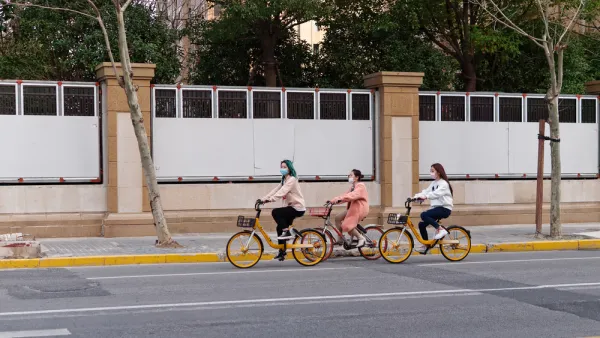
An International Comparison of Transportation Modes
Access (the ease of reaching desired destinations) is a key factor in transport, sustainability, and urban planning. This new study applies multimodal accessibility analysis to 4 modes in 117 cities in 6 countries, illustrated graphically.
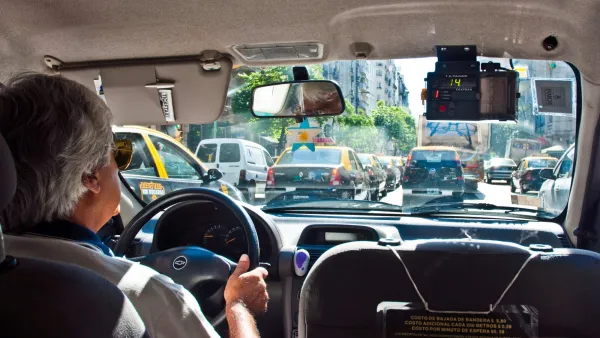
Human Movement, Captured by a 'Very Clear' Mathematical Law
The "universal visitation law of human mobility" documented in a newly published study in Nature offers predictive power for urban mobility in addition to empirical validation of Central Place Theory.
Strong Towns Takes Licensing Challenges to Court
For a second time, Charles Marohn is facing a challenge from the engineering profession over his work as the founder of the popular advocacy organization Strong Towns. This time, Marohn and Strong Towns are pushing back.
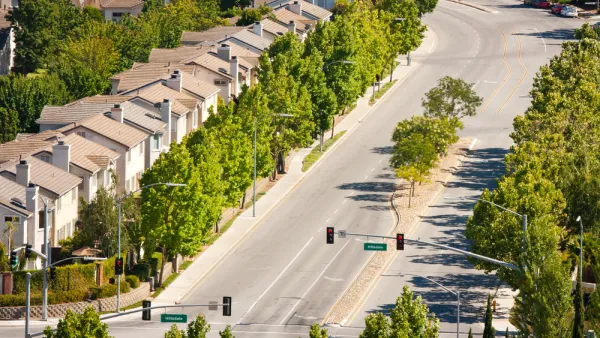
Approaching Land Use and Transportation as Interconnected Issues
One researcher argues that the division between transportation and land use policymaking at the federal level has harmed communities of color and encouraged unchecked sprawl.
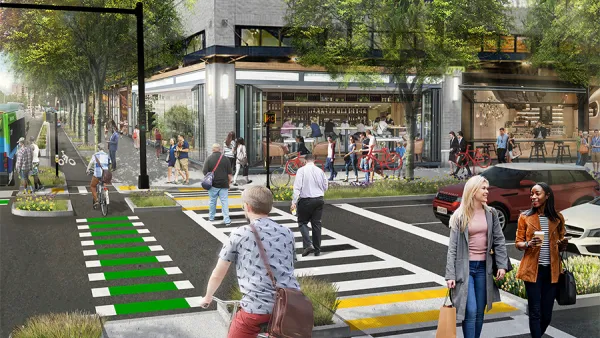
Virginia DOT's Route 1 Plans Might Upset Amazon's Vision for National Landing
The National Landing BID this week launched a "People Over Cars" awareness campaign in response to the Virginia Department of Transportation's plans for Route 1 in Northern Virginia.
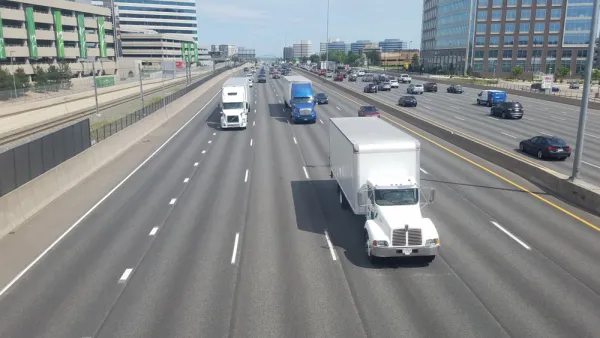
Reconciling Highway Investments With Climate Plans
The Colorado Department of Transportation has plans to expand highways, but it also has a mandate to reduce emissions from the state's transportation systems. Is it possible to do both?
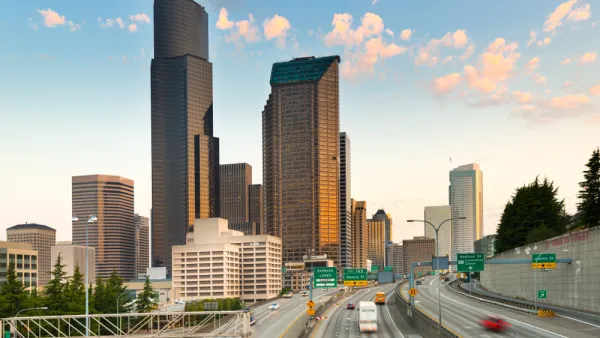
I-5 Widening Kicks Off in Downtown Seattle
Congestion relief is promised as the Washington Department of Transportation begins to rework the existing I-5 roadway in Downtown Seattle to mitigate a stretch of freeway with a reputation as the state's worst bottleneck.
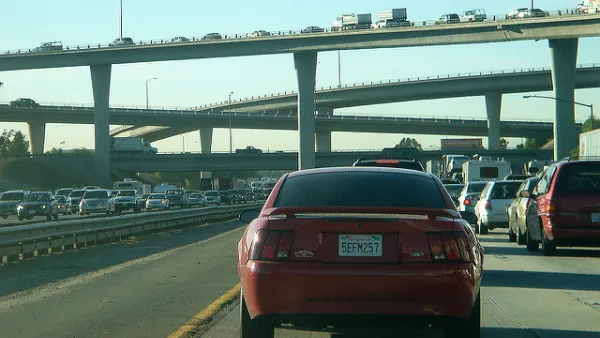
If You Build It, Cars Will Come: the Common-Sense Logic of 'Induced Demand'
Highway expansion has been shown, time and again, to increase traffic and congestion. Cities are finally getting the message.
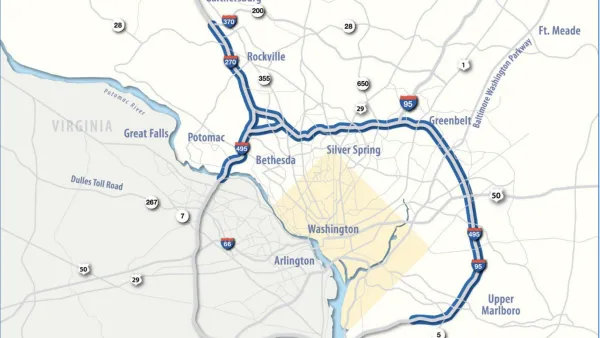
Maryland's Controversial Highway Widening Proposal Scaled Back
Interstate 270, the Capital Beltway, will no longer by widened as part of the I-495/I-270 Managed Lanes Project.

FREE Course: Walkable City 1: Why Walkability?
After describing his path towards focusing on walkability as the essence of good planning, Jeff Speck marches through his five principal reasons for making more walkable places.
Reinventing Malls: Planning Alchemy—Turning Gray Fields Into Gold
The course focuses on the opportunities and imperatives that shape reinvention of mall sites.

City of Rosemead
Rutgers University, Edward J. Bloustein School of Planning and Public Policy
One Hundred Miles
Hunter College, City University of New York (CUNY)
The Architects Foundation
University of Cincinnati Online
City of Cambridge
Montrose County
The Pocatello Development Authority









