Road Safety
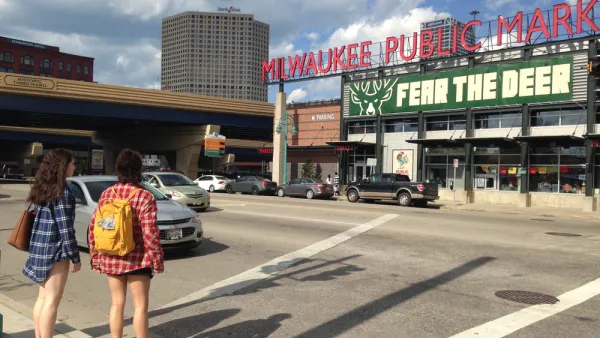
Milwaukee To Hire Vision Zero Czar
The mayor’s office has created a new position responsible for leading the charge on the city’s efforts to eliminate roadway deaths.
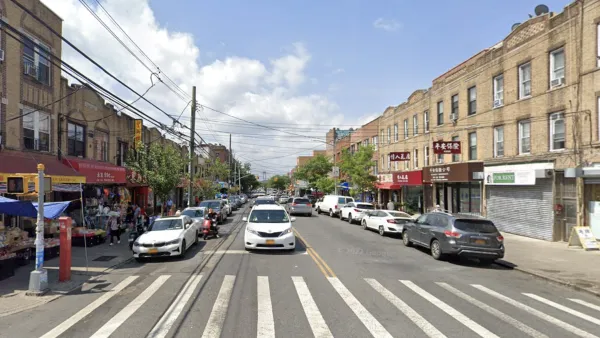
DOT Scraps Safety Plan for Two Brooklyn Avenues
An ambitious proposal to build protected bike lanes and install traffic calming measures on two dangerous Brooklyn avenues has been nixed by the agency, which plans to develop a new proposal in the coming months.
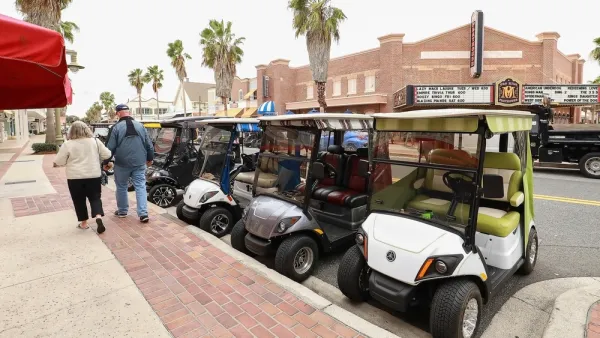
The Disruptive Power of ‘Minimobility’
Small, lightweight vehicles similar to golf carts could eliminate many Americans’ need for a second car and make roads safer for all users.
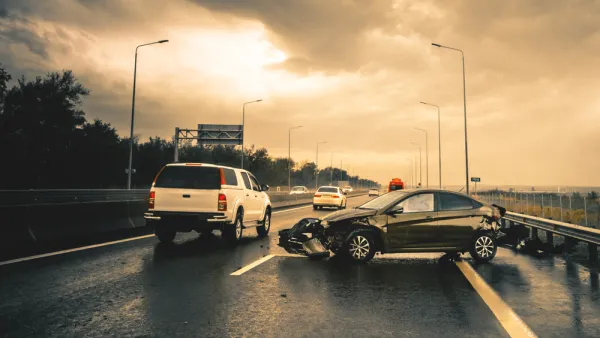
Crash Analysis Studio Brings ‘Standard of Care’ to Traffic Fatalities
A new tool from Strong Towns provides a model for comprehensively evaluating the causes behind deadly crashes and how to prevent them.
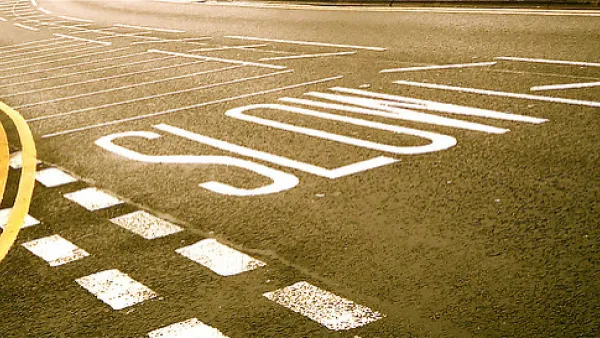
Traffic Safety Declining in U.S., Bucking Global Trend
While other countries are seeing fewer road deaths, traffic violence in the United States is back on the rise.

The Fight to Improve Tribal Transportation
Advocates for tribal communities argue that the bipartisan infrastructure bill does not direct enough money to tribal transportation needs, but USDOT and local leaders can ensure more equitable distribution of funds to projects on tribal lands.
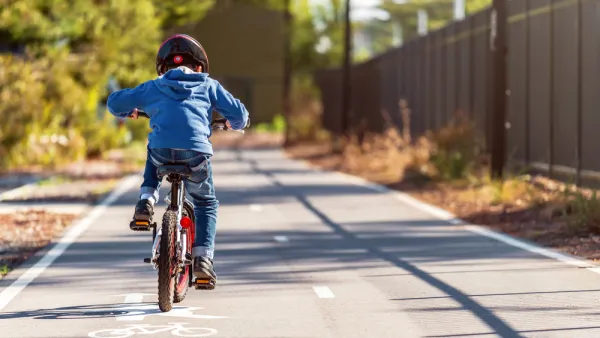
What Is Bike Infrastructure?
Safe and comprehensive bike facilities play a crucial role in keeping vulnerable road users safe, promoting biking as an everyday transit mode, and reducing carbon emissions and traffic congestion by encouraging a shift to more multimodal transportation.
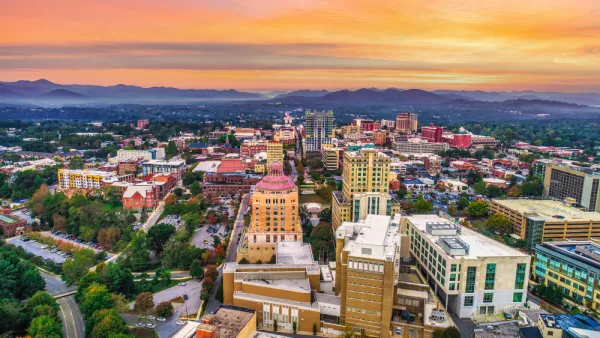
Asheville Approves ADA Compliance Plan
The city plans to make improvements to pedestrian infrastructure and bring its public streets into compliance with the Americans with Disabilities Act.

Federal Government Pushes Collaboration on Road Safety
Guidance from federal agencies encourages states and cities to focus on pedestrian and cyclist safety, but the Biden administration has stopped short of any legally binding mandates.
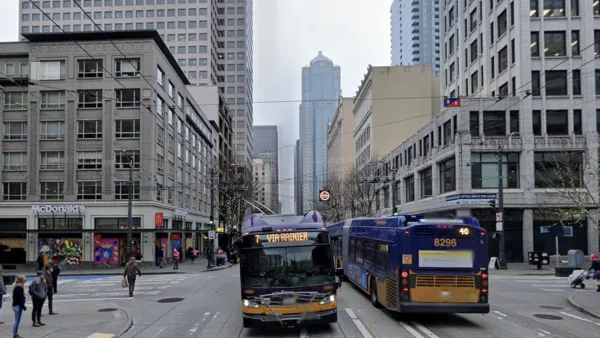
Op-Ed: A Bold but Attainable Vision for Seattle’s Third Avenue
The editorial board of The Urbanist lays out their plan for a reimagined Third Avenue that plays to the strengths of the corridor while improving safety and transit service.
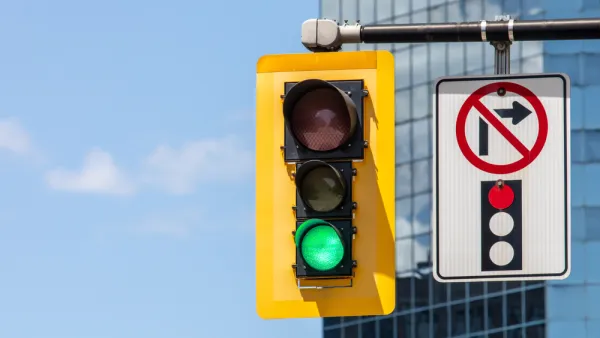
How Right Turns on Red Became the Norm
Born out of the oil crisis of the 1970s, the practice of turning right on red lights is a uniquely American—and uniquely dangerous—custom.
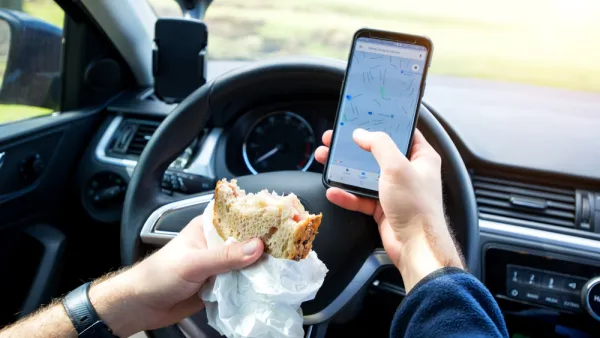
Study: Many Driver Assist Users Consider Their Cars Self-Driving
Almost half of drivers using Tesla and GMC driver assist technology report feeling comfortable treating their cars as fully autonomous.
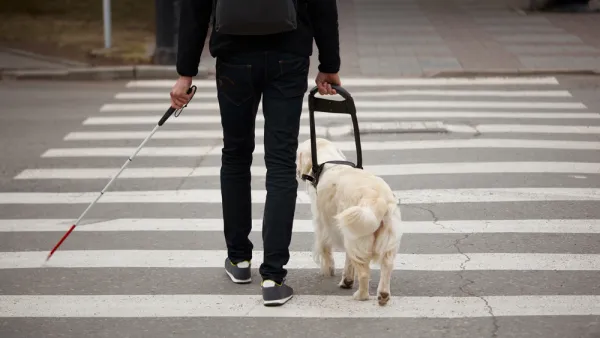
Opinion: Make Safe, Slow Streets the Default
For people with disabilities or limited mobility, a lack of safe infrastructure can cause significant disruptions, delays, and safety hazards.
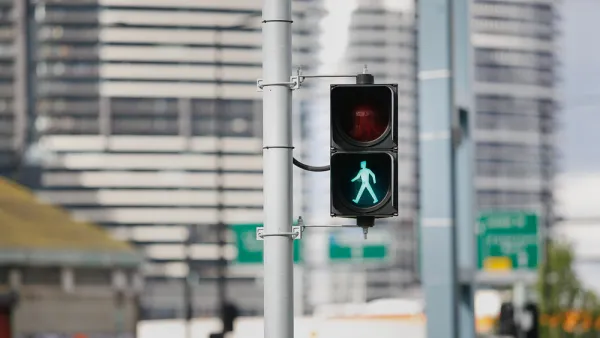
Opinion: California Jaywalking Law a Step in Right Direction
A new law doesn’t fully decriminalize jaywalking, but bars law enforcement from issuing citations to pedestrians when crossings aren’t ‘truly dangerous.’

Wildlife Crossings as Key Infrastructure
Animal-vehicle collisions cause billions in property damage, hundreds of human deaths, and dramatic losses in animal populations every year. Monitoring migration and building for animals can make roads safer for everyone.
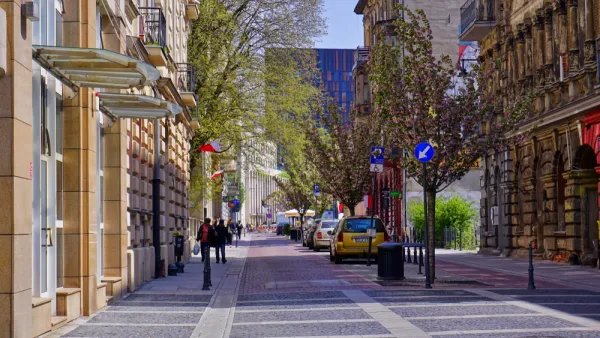
What Is a Woonerf?
The woonerf, a type of road design that encourages multimodal transportation and blends pedestrian and vehicle space, was born as a reaction to the car-centric development that began dominating American and European city planning in the mid-twentieth century.
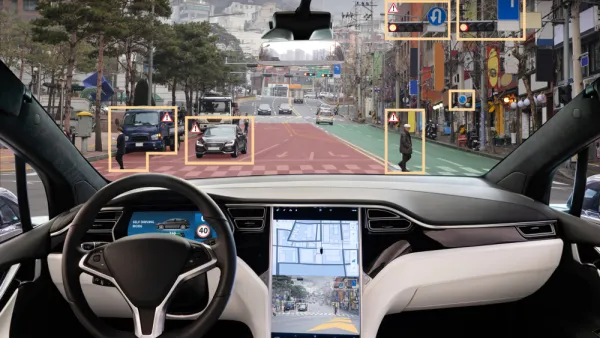
NACTO Fights Autonomous Vehicle Safety Exemptions
Two major automakers have petitioned for the right to test thousands of vehicles without major safety features such as brake pedals and steering wheels.
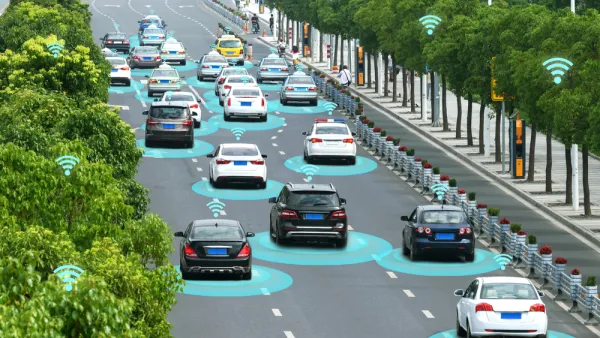
Will Autonomous Cars Live Up to Their Potential?
A new report details the promise and perils of the growing autonomous vehicle industry.
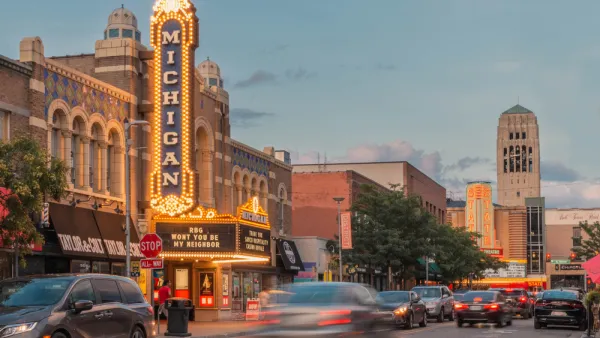
Ann Arbor Delays Right Turn on Red Ban, Citing Equity Concerns
The city council wants more information on how a ban on right turns on red would affect the city’s hourly workers and the details of its implementation.
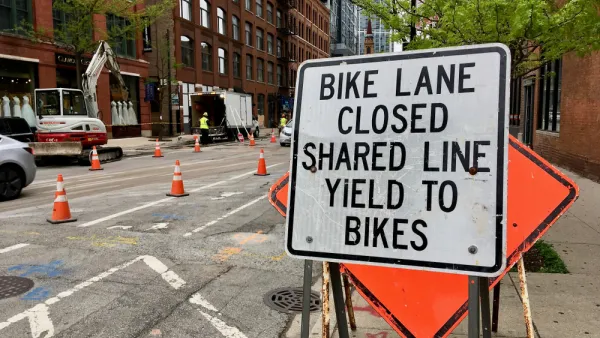
Opinion: Traffic Calming Shouldn’t Be Optional
Road infrastructure that fails to make dangerous driving behavior feel risky to drivers is ineffective in protecting pedestrians and people on bikes.

FREE Course: Walkable City 1: Why Walkability?
After describing his path towards focusing on walkability as the essence of good planning, Jeff Speck marches through his five principal reasons for making more walkable places.
Reinventing Malls: Planning Alchemy—Turning Gray Fields Into Gold
The course focuses on the opportunities and imperatives that shape reinvention of mall sites.

City of Charlotte
City of Rosemead
Rutgers University, Edward J. Bloustein School of Planning and Public Policy
University of Michigan School for Environment and Sustainability (SEAS)
Hunter College, City University of New York (CUNY)
The Architects Foundation
City of Cambridge
The Pocatello Development Authority
The Urban Renewal Agency of the City of Pocatello









