Missing Middle Housing

Planning in 2022: Year in Review
A review of the major themes, debates, and events of the year in planning that was 2022 (part one of two).

The Role of Language in the Battle Over Zoning Reform
Missing middle housing? Ending single-family zoning? How language impacts public opinion in the movement to increase housing density.
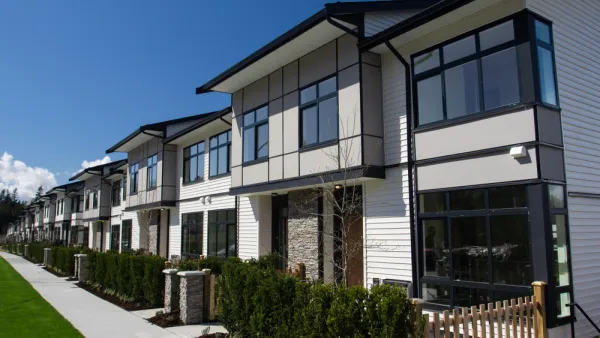
When Zoning Reform Isn’t Enough: How To Boost Missing Middle Housing
For upzoning efforts to result in a significant rise in new housing units, cities and states must do more than just change zoning codes to ensure missing middle housing is easy and affordable to build.

Palo Alto Includes Industrial Rezonings in its State-Mandated Housing Element
Palo Alto, a Silicon Valley city with a history of exclusionary zoning tactics, has produced a new Housing Element that calls for more than 6,000 housing units to be built in the city by 2031.

Elizabeth Warren Points to Development as a Path for Electoral Success
An op-ed written by Senator Elizabeth Warren (D-Massachusetts) details Democrats’ recent track record of large-scale capital investments and calls for more.
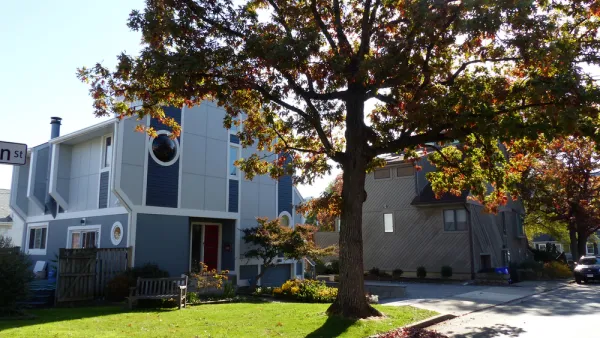
Housing Density Dividing Voters in Arlington County
The race for the county’s only board seat pits proponents of ‘missing middle housing and higher density against residents concerned about outsized growth.

Gainesville Eliminates Single-Family Zoning
Gainesville is the first city in Florida to eliminate exclusionary zoning.
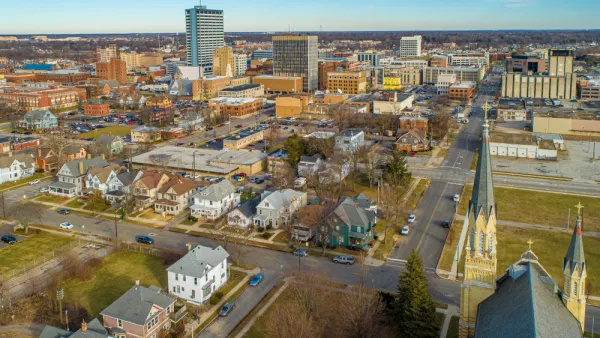
South Bend Offers Small Developers Pre-Approved Housing Templates
The city hopes the templates, along with other incentive programs, will spur more housing construction on its vacant lots while maintaining neighborhood character and streamlining the development process.
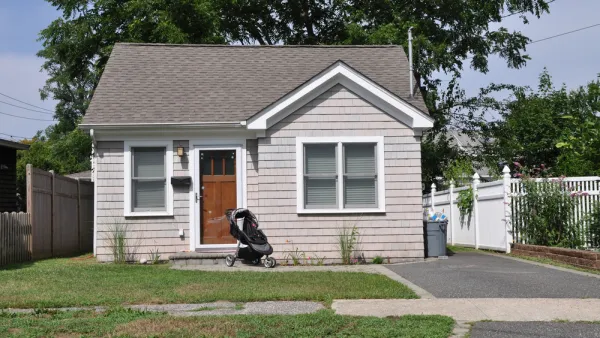
The Vanishing American ‘Starter Home’
Rising land costs, expensive materials, and onerous building and lot size requirements are making it harder to build small, affordable ‘starter homes’ in the United States.
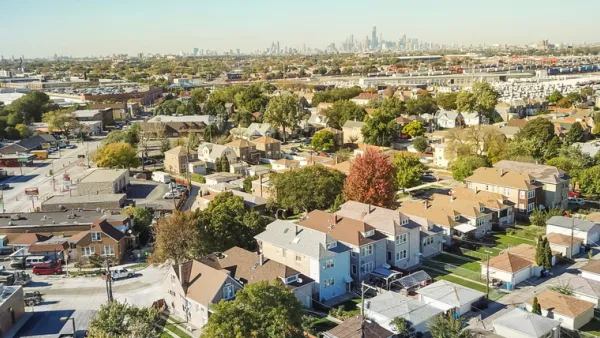
Chicago ADUs Concentrated in More Affluent Neighborhoods
An analysis of city-issued permits shows that homeowners in gentrified wards are building accessory dwelling units at much higher rates than those in less well-off communities.

Spokane’s Missing ‘Missing Middle Housing’
City records show that Spokane has issued few permits for duplexes, triplexes, and other forms of mid-density housing.
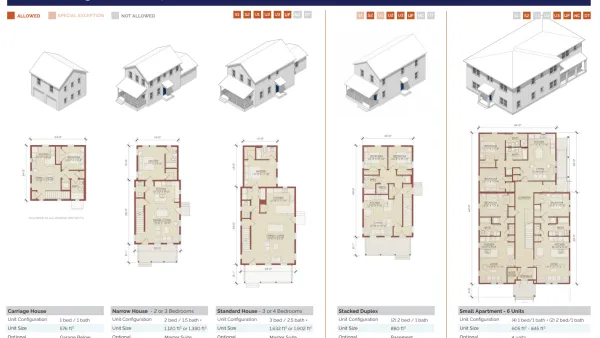
South Bend’s Infill Plans Include Pre-Approved Multi-Family Designs
South Bend commits to infill development by pre-approving a suite of residential development options.
Gainesville Set To Approve Contentious Zoning Reforms
The city commission voted in favor of a controversial zoning reform package that critics from multiple sides say won’t create more affordable housing for those who need it most.

Seattle Works To Revise Comprehensive Plan
The city has developed five concepts for updating its comprehensive plan to increase density and reverse the legacy of exclusionary zoning.

Reno Development Aims for ‘Baked-In’ Sustainability
The Midtown Garden Homes infill project brings light density and sustainable materials to a neighborhood predominantly populated with single-family homes.
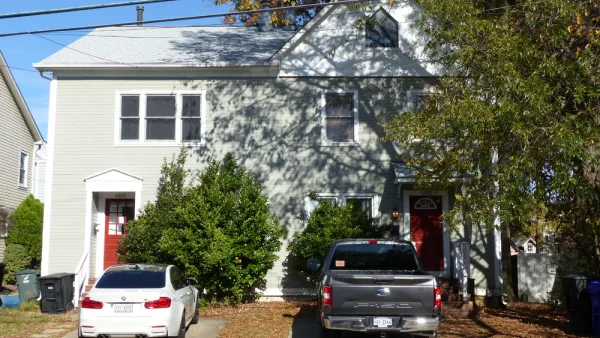
Missing Middle Housing as an Antidote to Redlining
New research suggests that missing middle housing could help make more affordable housing available to Arlington residents, particularly Black households historically blocked from homeownership in many neighborhoods.

Whose History Is Being Preserved, Exactly?
As the housing crisis continues, advocates are increasingly wary of historic preservation efforts that serve to perpetuate historic inequities and keep housing costs high.
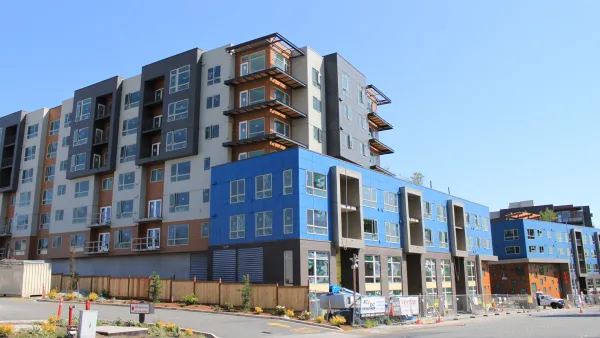
Report: Nation Short 3.8 Million Housing Units
Housing underproduction in the United States is growing more severe and more widespread.

What Is a Non-Conforming Use?
A non-conforming use is an existing building that would not be built under current land use regulations. While esoteric, the term is nonetheless critical to understanding the changes in development regulations over time.
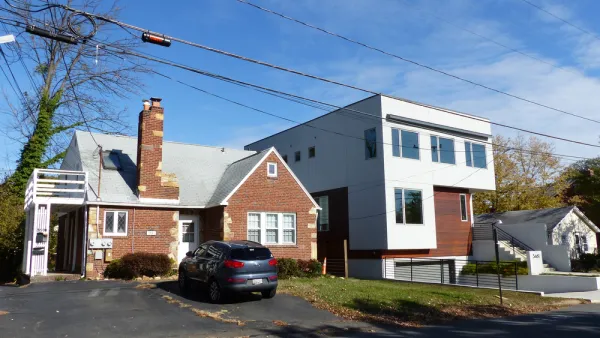
Arlington County Struggles To Meet Affordable Housing Goals
As the region’s population swells and demand for housing grows, Arlington County considers zoning reform to boost its affordable housing stock.

FREE Course: Walkable City 1: Why Walkability?
After describing his path towards focusing on walkability as the essence of good planning, Jeff Speck marches through his five principal reasons for making more walkable places.
Reinventing Malls: Planning Alchemy—Turning Gray Fields Into Gold
The course focuses on the opportunities and imperatives that shape reinvention of mall sites.

Harvard University Graduate School of Design
KFH Group Inc.
Greater Baltimore Committee
The Architects Foundation
University of Cincinnati Online
The Pocatello Development Authority
The Urban Renewal Agency of the City of Pocatello