George Floyd
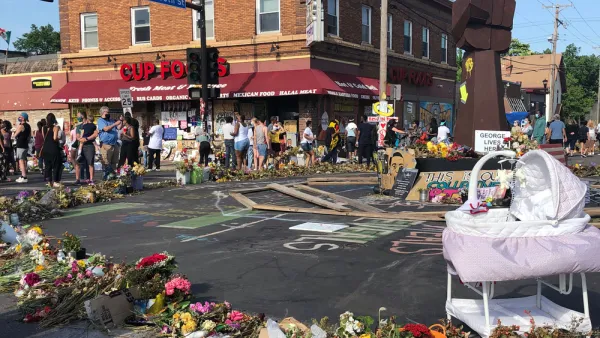
The Racial Reckoning in Public Spaces
Following George Floyd’s murder in 2020, there was an explosion of anti-racist street art across the country. “When we allow ourselves to release our emotions, oftentimes what is produced out of that is art.”
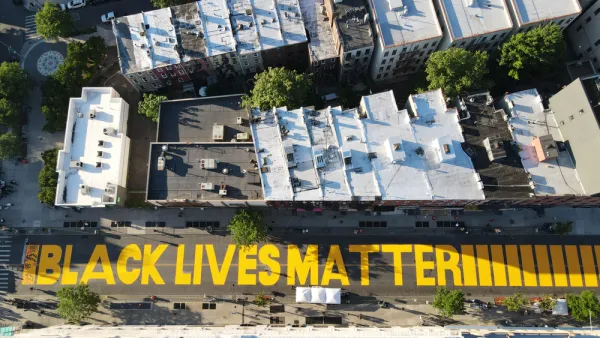
Street Art Proves the Value of Public Space
Murals do more than bring joy to onlookers. Public art can also be a source of healing, a point of reflection, and a cause for conversation.
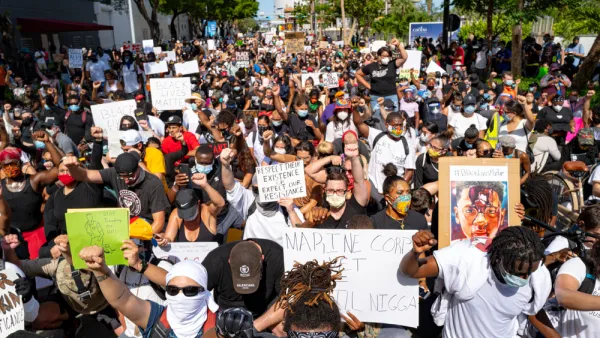
COVID-19: What About Those Protests?
While not conclusive, evidence suggests that relatively few transmissions of the coronavirus occurred during the widespread protests that followed the death of George Floyd due to the outdoor settings, being in motion and wearing of masks.
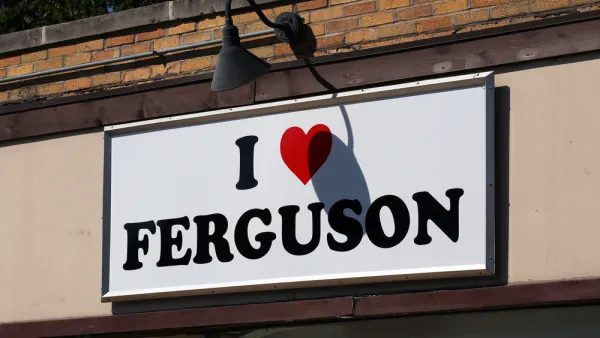
Disorder is Not Destiny
Do protests and riots inevitably lead to crime waves and flight to suburbia? Not always.
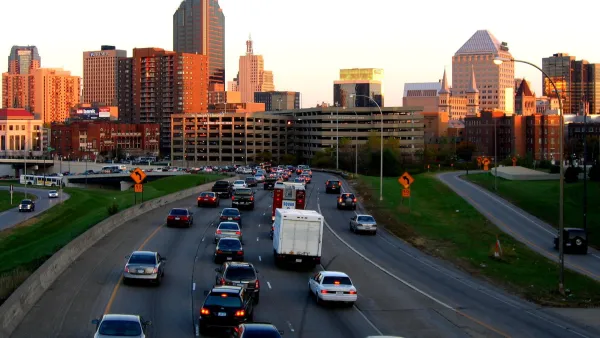
Interstate 94's Legacy of Racial Injustice in the Twin Cities
The symbolism behind highway protests brings demonstrators to occupy Interstate 94 between St. Paul and Minneapolis.
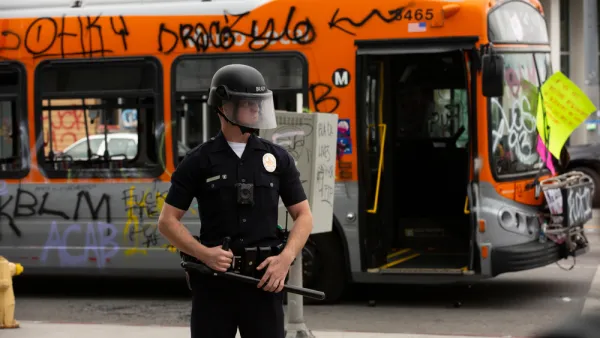
Commandeered Buses, System Shutdowns—Transit on the Frontlines of Protests
The optics of public transit suffered over the weekend, as a few transit agencies have been commandeered by police and even shut down entirely with little or no notice, stranding protesters and essential workers alike.

FREE Course: Walkable City 1: Why Walkability?
After describing his path towards focusing on walkability as the essence of good planning, Jeff Speck marches through his five principal reasons for making more walkable places.
Reinventing Malls: Planning Alchemy—Turning Gray Fields Into Gold
The course focuses on the opportunities and imperatives that shape reinvention of mall sites.

City of Rosemead
Rutgers University, Edward J. Bloustein School of Planning and Public Policy
One Hundred Miles
University of Michigan School for Environment and Sustainability (SEAS)
Hunter College, City University of New York (CUNY)
The Architects Foundation
City of Cambridge
Montrose County
The Pocatello Development Authority









