Equity
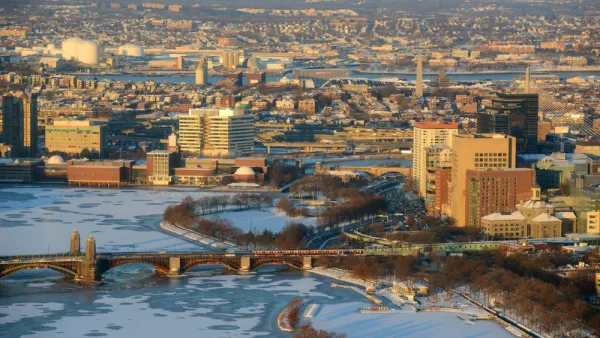
Tracking Boston’s Emissions Reduction Progress
The Boston Foundation published the “Inaugural Boston Climate Progress Report” earlier this month. Other U.S. cities should follow their lead.
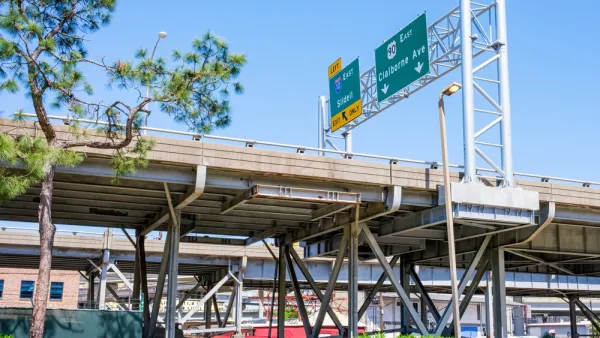
‘Reconnecting Communities’ Could Fund Highway Expansions
Applications to the program reveal a pattern of state agencies requesting funds for projects that perpetuate car-centric development with only nominal equity components.
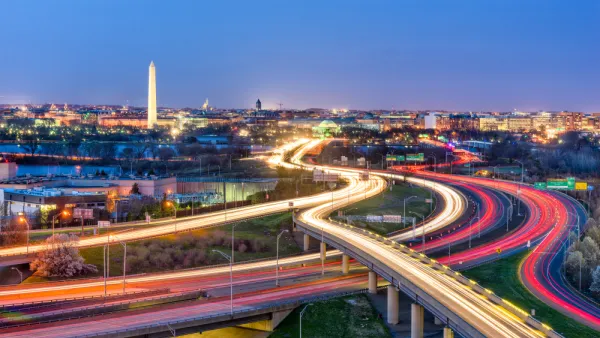
D.C. Office of Planning Unveils Congress Heights Equitable Development Plan
The district’s small area plans (SAPs) are designed to ensure equitable economic and community development at the hyper-local level.
Report: Racial Gap in Home Appraisals Increasing
An analysis of government data reveals a growing gap in the appraised values of homes in white and Black neighborhoods.
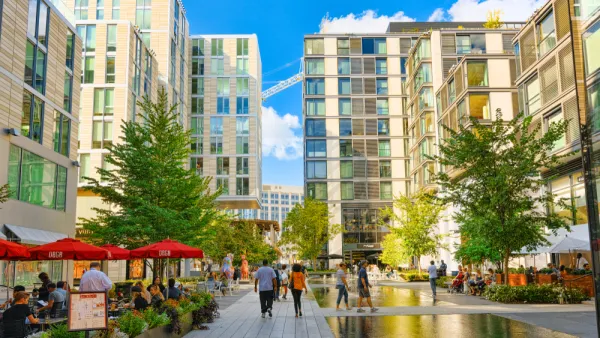
D.C. Regional Framework Emphasizes Equity, Connectivity
The Region United Framework for 2030 outlines a plan for sustainable, equitable development, calling for a 'holistic' approach to regional planning.
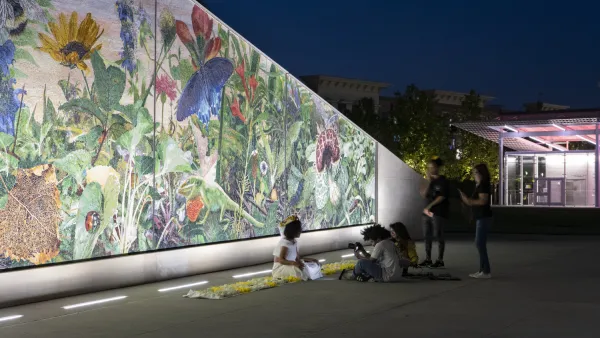
Placemaking: Building on the ‘Soul’ of a Place
Placemaking is often mistaken for a form of manufacturing. Every place already has a story to tell—placemaking just brings that story forward.
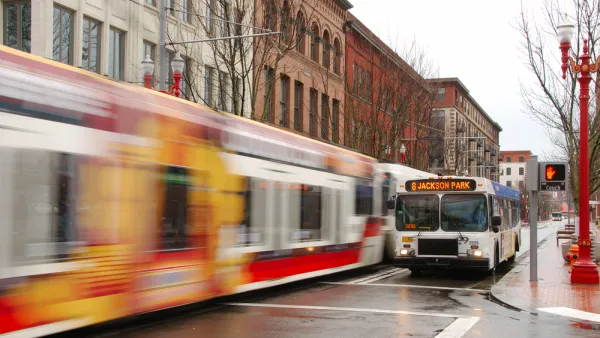
Promoting Diversity in Transit Leadership
Latinos in Transit works to connect and empower people of color to increase diversity in management roles at transit agencies.
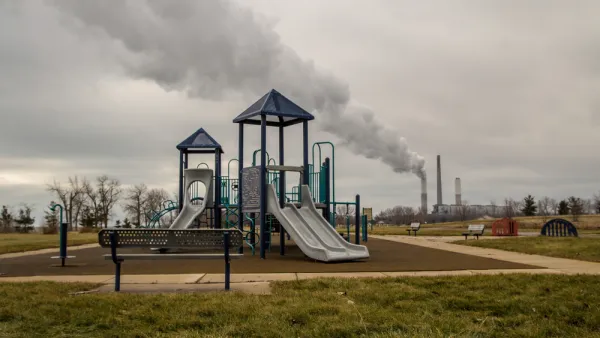
Democrats Call for Stronger Action on Environmental Justice
The Justice40 initiative could make a major difference for communities burdened by pollution, but only if funds are spent on projects that maintain a focus on equity.
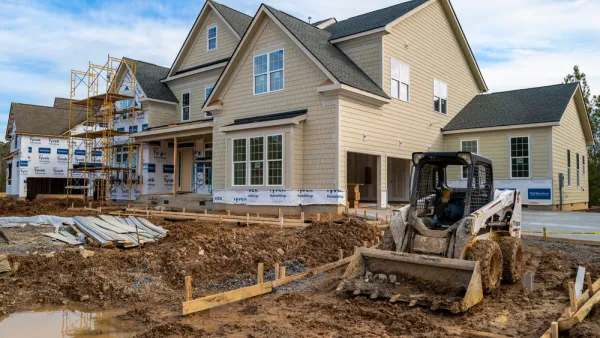
Not Just Use: More Zoning Regulations to Unlock Housing Equity
Prohibiting single-family zoning alone won’t accomplish the needed transformation of the built environment in the United States.
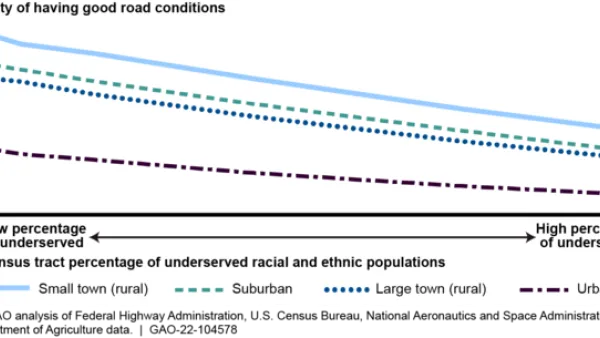
Study: U.S. Highway Pavement Conditions Worse in Underserved Communities
The Federal Highway Administration doesn’t analyze the condition of pavement on U.S. highways. If it did, it would find vast inequities depending on which communities live nearby highway infrastructure.
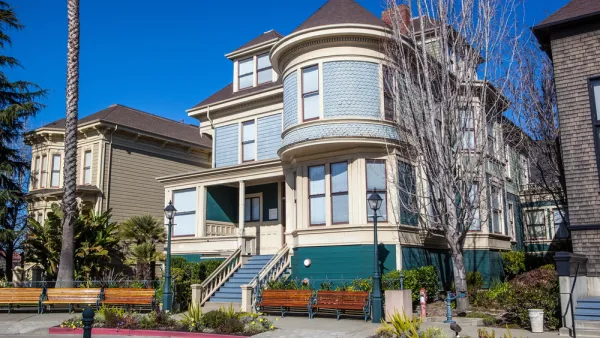
Closing the Homeownership Knowledge Gap
An Oakland program geared at Black homeowners wants to empower households to understand the opportunities in building and renting accessory dwelling units.
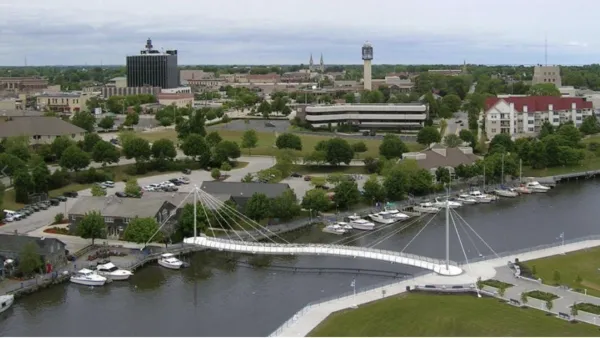
How Locals Are Planning to Spend $2.2 Billion in RAISE Transportation Grants, Part Two
Part two of a series of post providing specific information for 164 of the 166 projects recently awarded funding by the U.S. Department of Transportation's RAISE grant funding program.

The Unequal Impacts of Traffic Crashes
Rates of traffic deaths vary widely among racial and economic groups but continue to rise across the board.
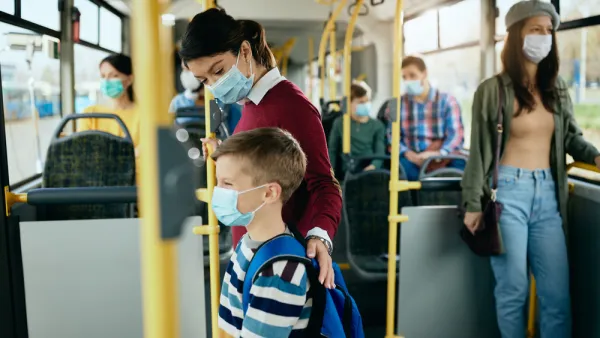
Opinion: Free Transit Opposition Is Tone Deaf
Critics of free transit programs argue that free fares may not decrease driving or fight climate change. Dr. Destiny Thomas explains why that argument ‘misses the point.’
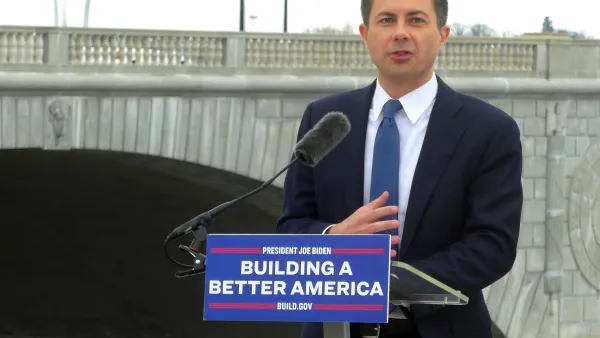
How Locals Are Planning to Spend $2.2 Billion in RAISE Transportation Grants
The U.S. Department of Transportation earlier this month announced $2.2 billion in RAISE grants. The Biden administration has promised that the RAISE grant program will improve equity and sustainability in the nation's transportation systems.
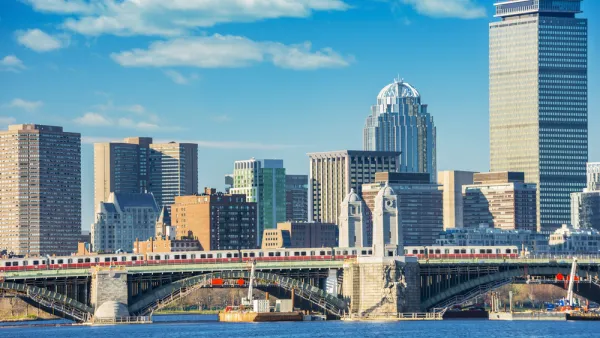
Boston Will Urge Developers to Provide Diversity Disclosures
Stopping short of a mandate, the city plans to request that developers provide information about diversity and inclusion on their teams.
'Intersections + Identities: A Radical Rethinking of Our Transportation Experiences'
The American Planning Association's free "State of Transportation Planning Report" includes more than two dozen interesting and entertaining chapters by diverse authors on the subjects of planning resilience, equity, technology and mobility.
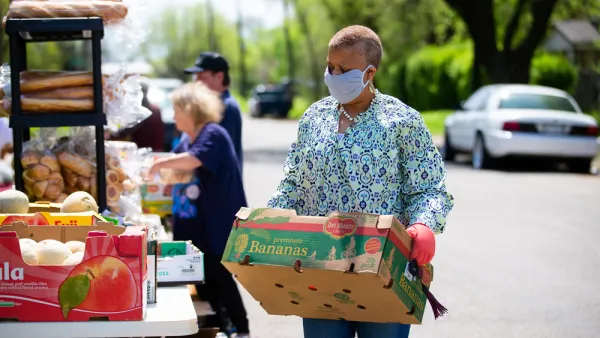
Redlined Neighborhoods Experience High Food Insecurity
A study from Des Moines found that households in historically redlined parts of town are more likely to have to seek help from food pantries.
How ‘Rental Deserts’ Perpetuate Inequity
Close to one-third of American neighborhoods have very few housing options for renter households, who tend to be disproportionately people of color and low-income families.
Fort Worth To Study Transit Opportunities in its Poorest Neighborhoods
Residents in the 76104 ZIP code, where life expectancy is the lowest in Texas, lack access to effective transit and essential needs.

FREE Course: Walkable City 1: Why Walkability?
After describing his path towards focusing on walkability as the essence of good planning, Jeff Speck marches through his five principal reasons for making more walkable places.
Reinventing Malls: Planning Alchemy—Turning Gray Fields Into Gold
The course focuses on the opportunities and imperatives that shape reinvention of mall sites.

City of Charlotte
City of Rosemead
Rutgers University, Edward J. Bloustein School of Planning and Public Policy
University of Michigan School for Environment and Sustainability (SEAS)
Hunter College, City University of New York (CUNY)
The Architects Foundation
University District Partnership









