Equity
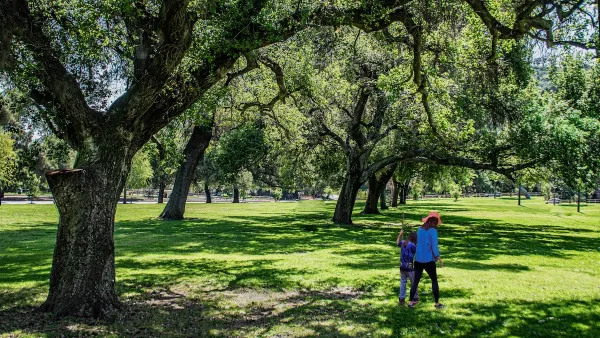
Branching Out: Building Health and Equity Through Community Forestry
Los Angeles County’s Community Forest Management Plan seeks to create a healthier, more equitable community forest by expanding tree coverage, engaging communities, and building resilience to climate impacts.
Future of Justice40 Initiative Hinges on Election
The program requires that 40 percent of some federal funds be used to benefit historically disadvantaged communities.
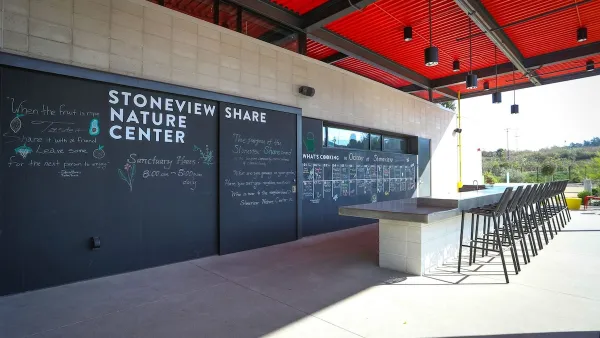
How LA County Parks are Fostering Equity
Los Angeles County's Department of Parks and Recreation actively engages the public through diverse methods to ensure parks and recreation programming align with community needs and priorities.
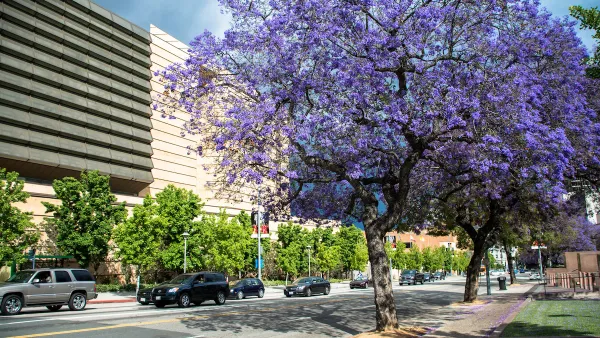
Addressing Tree Canopy Disparity in South Los Angeles
A new study highlights the complex challenge of addressing tree canopy disparities in South L.A., where historical environmental injustices, budget constraints, and competing community priorities hinder efforts to increase equitable tree coverage.
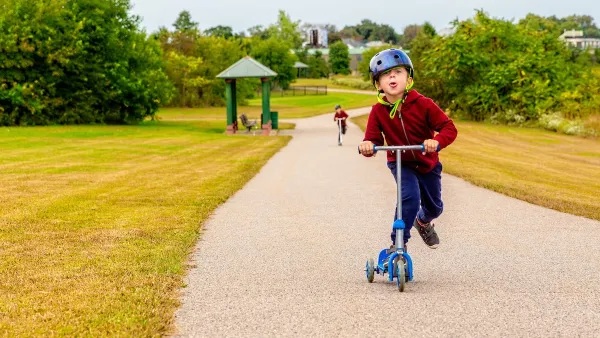
How Local Parks Promote Equitable Outdoor Access
Targeted investments in local parks, improved infrastructure, and enhanced transit connectivity are essential strategies to close the nature gap and ensure equitable outdoor access for underserved communities.
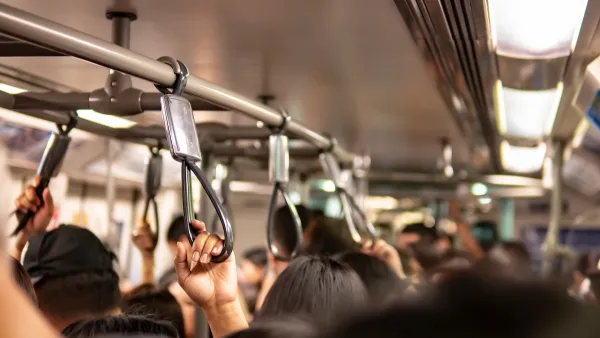
APTA Report Documents Transit Equity Efforts
Transit agencies around the country are boosting their efforts to serve historically marginalized communities and make transit work better for the households that rely on it the most.

Study: Chicago Speed Cameras More Equitable Than Police
The city’s automated traffic enforcement cameras are issuing tickets at rates more aligned with the community’s racial makeup — unlike human police officers, according to a new analysis.
LGBTQ+ Elders Face Compounded Challenges in Accessing Fair and Equitable Housing
Lessons for building affirming, inclusive, and trauma-informed housing developments for older LGBTQ+ adults.

DOJ: ‘Nuisance’ Evictions Could Break Federal Law
Ordinances that allow landlords to evict tenants for nuisance complaints or alleged criminal activity may run afoul of federal protections, the DOJ warns.
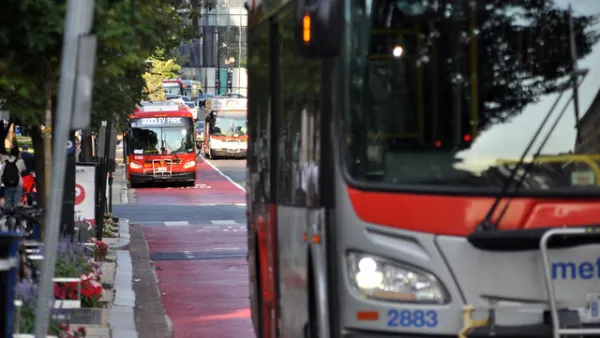
DC Improving Transit Equity
The Transit Equity Dashboard reveals a more marked improvement in transit access in the District of Columbia than in other metro areas.

Study: Lakes Near Communities of Color Less Inspected for Water Quality
The research is the first of its kind to analyze the relationship between freshwater monitoring and the race and ethnicity of nearby communities.
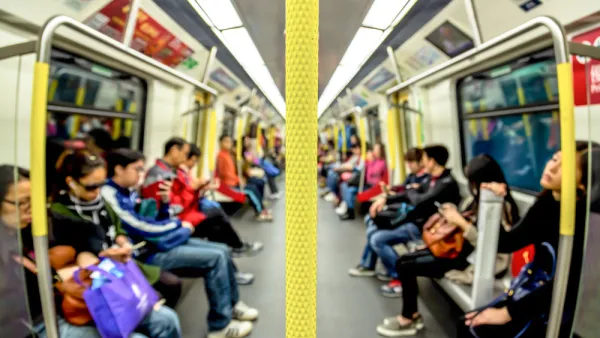
Do Americans Want Women-Only Subway Cars?
Results from a YouGov survey indicate there is interest in subway and train cars being designated as women only, especially among female riders, younger riders, and people who have had negative interactions on public transportation.

Sustainable Urban Design: A New Tool and Approach on The Talking Headways Podcast
Discover how the Sustainable Urban Design Framework helps planners create livable, sustainable communities. Nico Larco from the University of Oregon explores a new tool and book in the latest “Talking Headways” podcast.
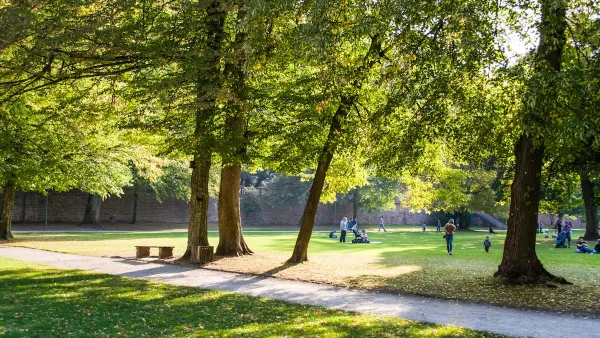
Advancing Sustainability and Resilience Through Parks
The Urban Land Institute offers fact sheets describing five innovative ways that parks can reduce carbon emissions and mitigate climate threats while advancing health, equity, and quality of life in urban areas.
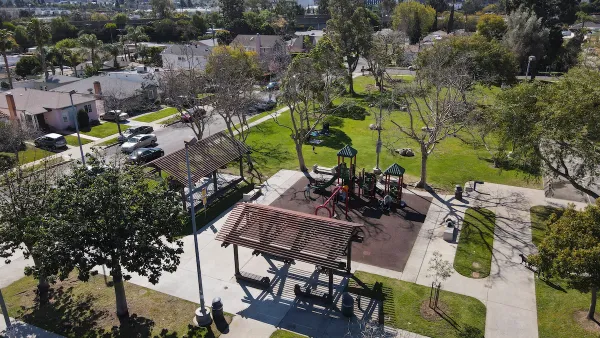
LA County Releases Funding for Parkland Acquisition in Underserved Communities
Los Angeles County has released $14.5 million in Measure A grant funds to support parkland acquisition in high-need areas, aiming to create additional green spaces and advance environmental justice and equity.
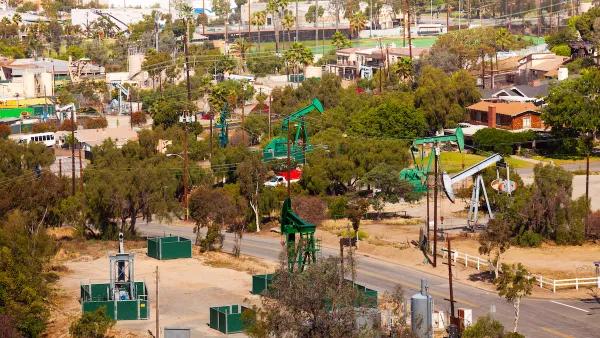
Repurposing Oil Fields Into Parks: Advancing Just Transition and Community Well-being
The concept of a "just transition" extends beyond workers to encompass broader social and environmental dimensions, including the restoration and regeneration of land and communities affected by oil extraction activities.
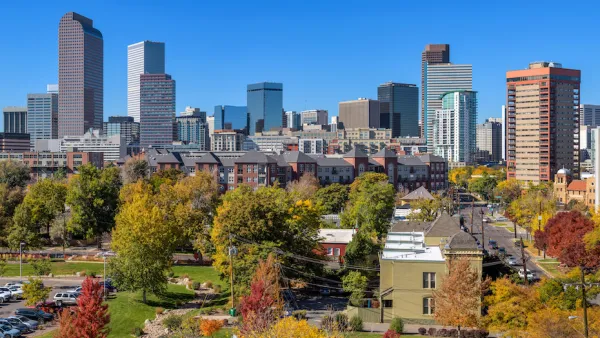
Colorado Renter ‘Cash Back’ Program Rewards On-Time Rent Payments
The state is exploring a program that gives people a cash incentive for paying rent to offer renters some of the financial incentives homeowners receive.
Analyzing Accessibility Disparities
With better planning we can reduce disparities between drivers and non-drivers in their ability to access services and jobs, improving fairness and economic opportunities for disadvantaged groups.
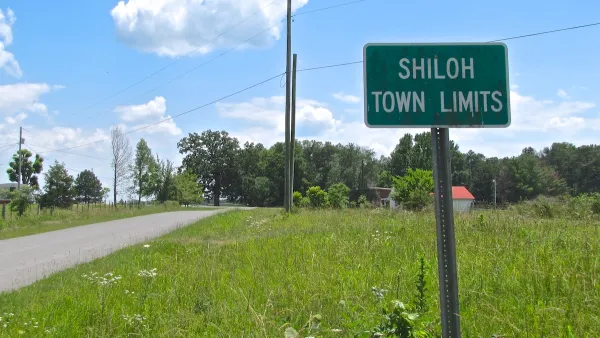
Highway Construction Flooded Their Homes; The State Says They’re Not Responsible
An earlier settlement for flood damages incurred by residents of Shiloh, Alabama came with an unexpected condition.
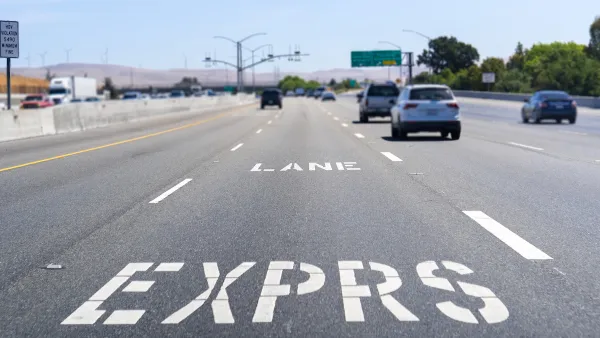
Congestion Pricing in the San Francisco Bay Area
Planners call them “express lanes,” but make no mistake, they are congestion pricing in action, and they're successful. The Bay Area network of what the Federal Highway Administration calls “high-occupancy toll (HOT) lanes” is growing.

FREE Course: Walkable City 1: Why Walkability?
After describing his path towards focusing on walkability as the essence of good planning, Jeff Speck marches through his five principal reasons for making more walkable places.
Reinventing Malls: Planning Alchemy—Turning Gray Fields Into Gold
The course focuses on the opportunities and imperatives that shape reinvention of mall sites.

City of Charlotte
City of Rosemead
Rutgers University, Edward J. Bloustein School of Planning and Public Policy
University of Michigan School for Environment and Sustainability (SEAS)
Hunter College, City University of New York (CUNY)
The Architects Foundation
University District Partnership









