Displacement

Federal Grants Aid Native Relocation, but Will They Be Enough?
Increasingly threatened by the impacts of climate change and extreme weather, many Native Alaskan and other indigenous communities will have to relocate—and soon.
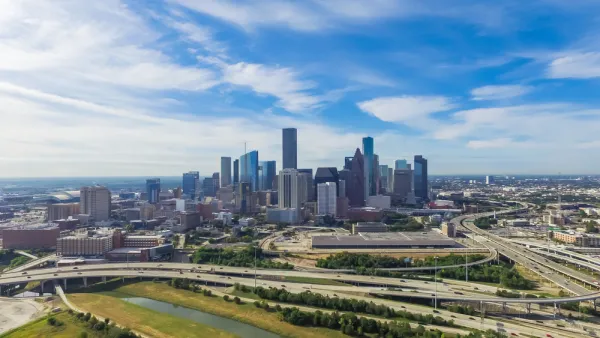
Details for Houston Interstate Project Remain Hazy
With the project still under federal investigation, local and state agencies say they are moving forward with the development of design details for the contentious freeway redesign.
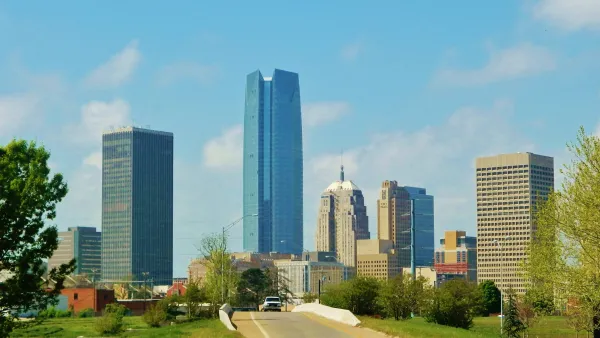
Oklahoma Turnpike Expansion Project Challenged by Lawsuits
A recent court ruling could turn the tide against a roadway expansion plan that threatens to displace homes and businesses and that locals say was pushed through with little transparency or community input.
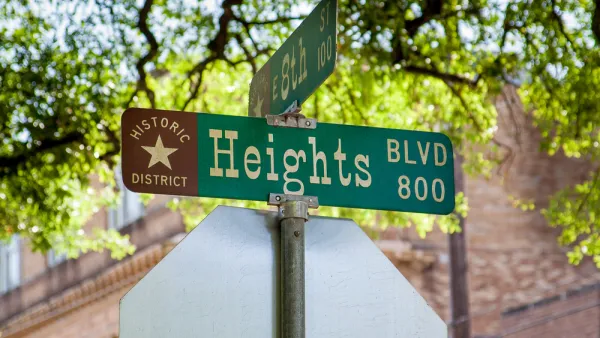
Proposed ‘Conservation Districts’ Could Change Preservation in Houston
The proposed model could be a new tool for preserving historic neighborhoods with more flexibility and with a focus on reducing displacement and addressing community concerns.
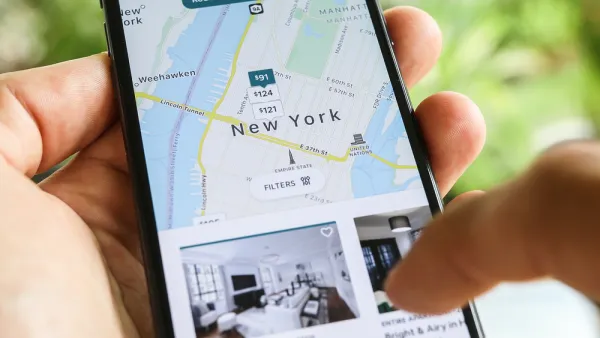
Centering Equity in Short-Term Rental Regulations
How can city officials mitigate the negative impacts of short-term rentals?

How the Restaurant Scene Became a Symbol of Gentrification
While redevelopment-related displacement is the result of broader market forces and policy decisions, restaurants and cafes have become an emotionally charged flashpoint for the debate over gentrification.
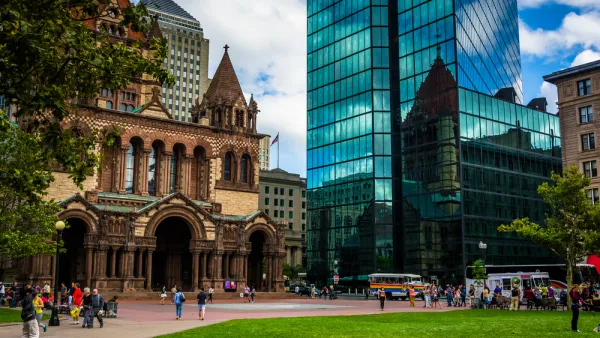
How One Massachusetts Governor Rejected Car-Oriented Development
Fifty years ago, Governor Francis W. Sargent nixed a proposed expressway and set in motion a transportation future for Boston that would be remarkably different from many other U.S. cities.
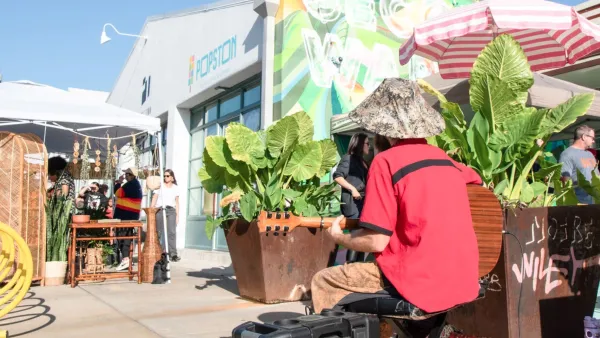
Houston Development Aims to Create Hyper-Walkable, Micro-Living Neighborhood
The 17-acre Second Ward project has spurred both optimism for a more walkable city and concerns about displacement and gentrification.
‘Reconnecting Communities’ Could Fund Highway Expansions
Applications to the program reveal a pattern of state agencies requesting funds for projects that perpetuate car-centric development with only nominal equity components.
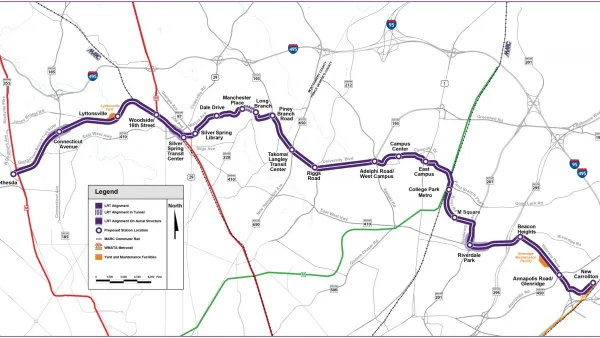
Coalition Fights Displacement Along Purple Line
Community advocates are warning that Maryland’s new light rail line could cause displacement without concerted efforts to preserve affordable housing and legacy businesses.

Will Snohomish County Light Rail Bypass the Airport?
Some county leaders rejected two proposed routes that would skirt Boeing and Paine Field, citing the area’s high potential for travelers and jobs.
Inclusive Prosperity: No Displacement Necessary
Recent analysis identifies nearly 200 U.S. neighborhoods that have achieved the highly-sought-after goal of increasing the prosperity of residents without displacing the existing community.
‘Freeways Without Futures’ Spotlights Freeway Removal Efforts
Around the country, cities and states are starting to listen to decades-old demands to remove freeways that have displaced and fractured communities.
Breaking NYC’s Housing Speculation Cycle
When wealthy investors treat homes like poker chips, it is the tenants who end up losing. How do we interrupt the vicious cycle of speculation and displacement?
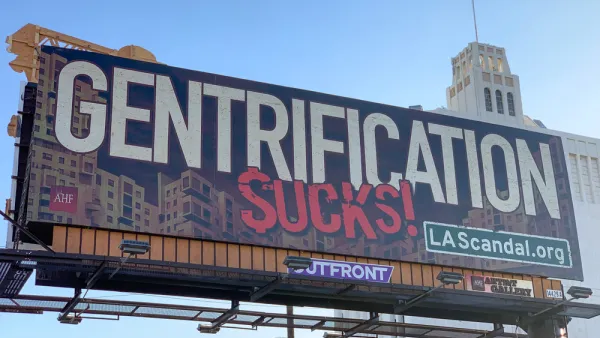
Who’s To Blame for Gentrification?
Most likely, no one in particular—but policy changes can alleviate the housing shortage and prevent displacement.
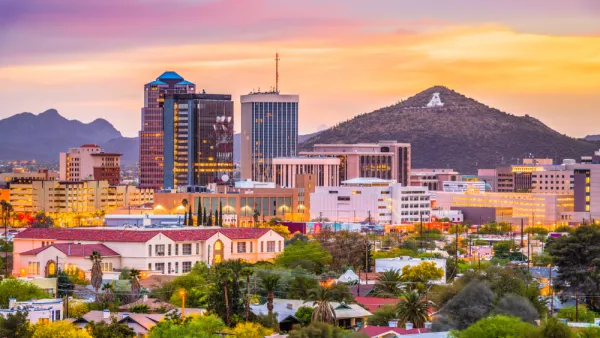
Tucson Development Boom Threatens Displacement of Longtime Residents
Median rent in Tucson rose by 30 percent since a year ago, prompting fears of displacement among many residents struggling to afford housing.
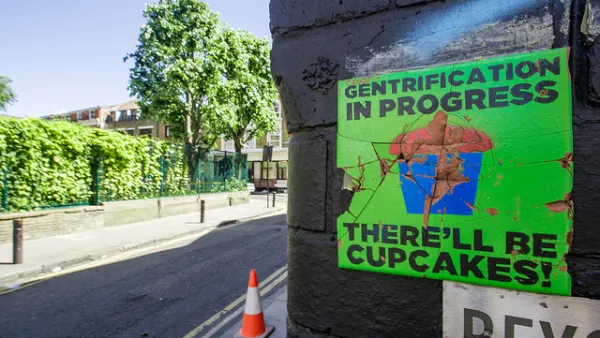
Who’s Afraid of Gentrification?
Examining the complex sources of concerns about displacement and opposition to investment in low-income neighborhoods.
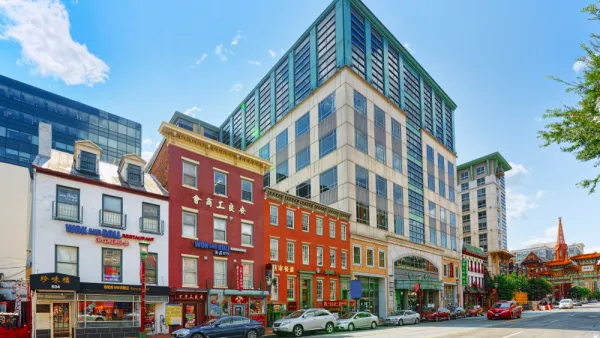
How Historic Inequity Shapes D.C.’s Transit-Oriented Development
A series of articles traces the history and policies behind Washington, D.C.’s efforts to promote equitable transit-oriented development.
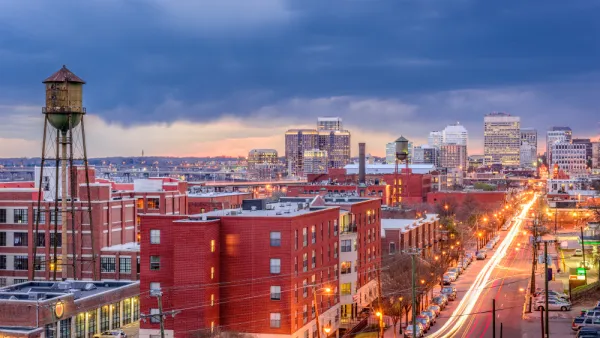
Mapping Richmond’s Displaced Communities
A new project catalogs the city’s history of displacement and its impact on communities of color.
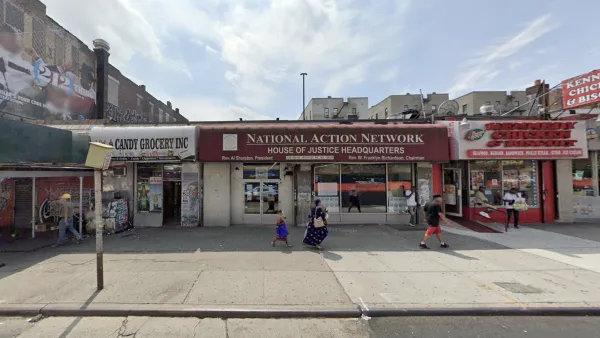
Market Rate Condos Could Replace Harlem Towers Proposal
After facing community opposition and a call for more deeply affordable housing units, developers withdrew their proposal for Harlem’s One45, prompting questions about the future of the site.

FREE Course: Walkable City 1: Why Walkability?
After describing his path towards focusing on walkability as the essence of good planning, Jeff Speck marches through his five principal reasons for making more walkable places.
Reinventing Malls: Planning Alchemy—Turning Gray Fields Into Gold
The course focuses on the opportunities and imperatives that shape reinvention of mall sites.

One Hundred Miles
County of Mendocino
planning NEXT
The Architects Foundation
University of Cincinnati Online
Montrose County
Northern Illinois Transit Authority (NITA)
The Pocatello Development Authority









