Cities
Decline or Dispersal? Standardizing the Size of American Cities
Ben Schulman and Xiaoran Li lead an interesting thought experiment about the populations of cities around the country. That is, what would happen to the population of American cities if all their sizes were standardized?
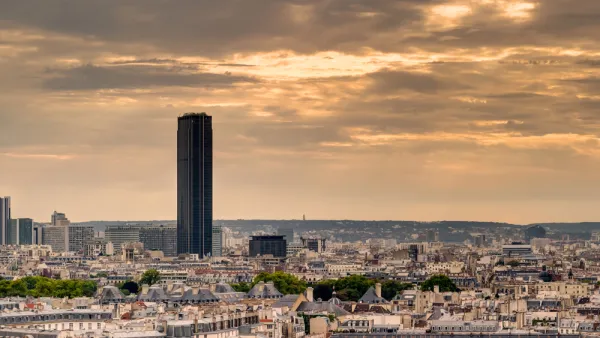
6 'Epic Architecture Fails'
Jason Fargo follows the announcement that the FBI will soon set up shop outside of the infamous and despised J Edgar Hoover Building in Washington D.C. by listing six buildings that residents of cities "love to hate."
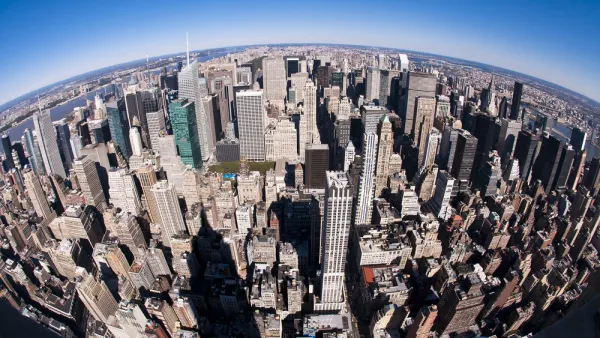
Survey Says: What Makes a City Great?
The results of a survey commissioned by Sasaki Associates reveal key insights into what makes cities great for those who love them, as well as where planners and urban designers should focus their efforts in improving the urban experience.
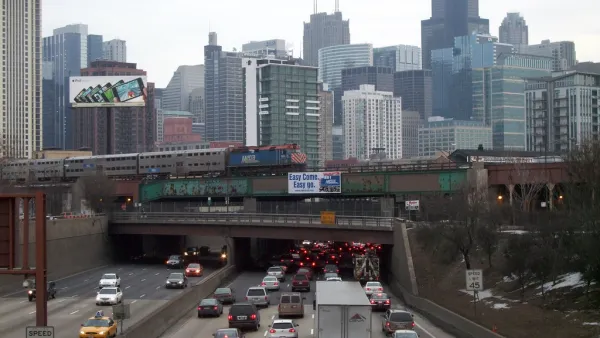
Transit, Density, and Congestion
The most transit-oriented metro areas often have lower levels of traffic congestion than one might expect based on their size.

Is it a Suburban Exodus Yet?
A new report finds that suburban areas are losing residents to urban areas like New York City and Washington D.C., even well past the point when people would have traditionally made the choice to return to the suburbs.
How Cities Prohibit Annoyances
The 5,000 local ordinances that prohibit “annoyances” often focus on the fraught intersections of the public and private. And it’s probably no surprise that public employees often seek legal protections from annoying (or annoyed) citizens.
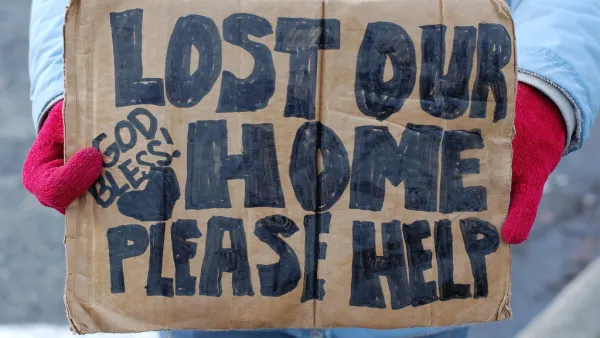
Which Cities Segregate Poverty Most Completely?
For the second installment in a five-part series on economic segregation in U.S. metros, Richard Florida examines the cities where poverty stays most hidden from "everyone else."
A Call for Urban Infrastructure Investments
A recent article laments the missed opportunity of President Obama’s recent calls for increased spending on infrastructure: a lack of acknowledgement that cities are the best places to spend those dollars.
Mapping Life Expectancies in the World’s Cities
“While average life expectancy for many cities far outstrips the non-urban regions of their country, there are others such as Johannesburg where it comes in way below,” according to an interactive feature on the Guardian’s Data Blog.
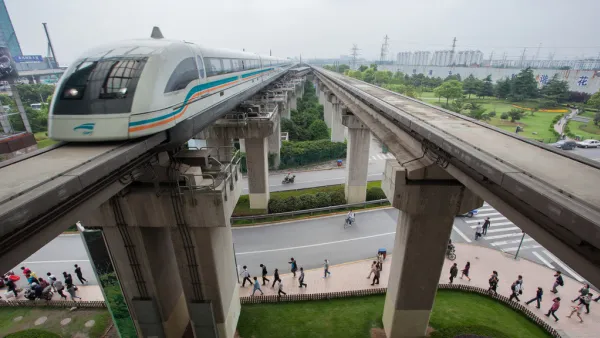
The Future is Cities
Cities are growing faster than you can say megalopolis. But as populations around the world shift to urban areas, cities are also focal points for global challenges—water, energy, health. MIT is working to address these issues.
Step Right Up: Play the City Name Game
Nomenclature changes, especially for cities with chronologies spanning centuries and even millennia. Test your knowledge of historic, even ancient, place names.
What the Data Says About Life in the City
Cities can be undersold or oversold in equal measure, but they never fail to present a shortage of data. With its #citydata series, This Big City explores the sometimes surprising facts about cities that emerge from the din of urban life.

Rockefeller's 100 Resilient Cities: 33 Chosen, What's Next?
In December, the Rockefeller Foundation chose the first 33 cities to receive funding and support through its 100 Resilient Cities Challenge. Here's what comes next.
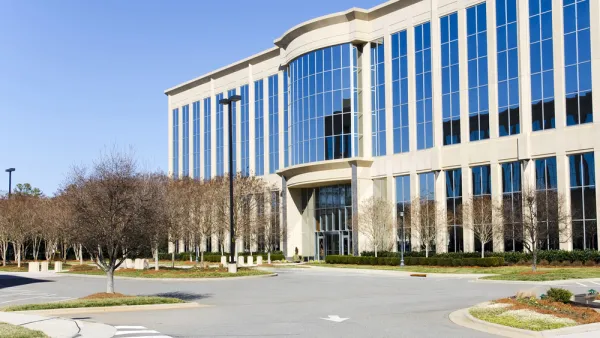
Large Companies Moving Back to Cities
The movement stems from demographic changes in the work force. For companies seeking younger hires, they need to go to where they prefer to live. Suburban campuses may be replaced by urban headquarters or the addition of satellite offices in cities.
Who Is Migrating To Cities?
Millenials really are migrating to cities in large numbers- but older age groups are merely leaving less rapidly than in the past.
Obstacles to a "Metropolitan Revolution"
In theory, cities might be able to revitalize their economies and infrastructure. But in reality, state governments can create all kinds of obstacles to city policy.
Who's Returning To The City
Are children, millenials and baby boomers returning to cities? The best answer: sometimes, sometimes, and maybe not.
The Ideal City is....an Equation?
What is the apt metaphor for a city? Machines? Insect colonies? In a new paper, physicist Luis Bettencourt says that if we look to the function of cities we find that they're essentially social reactors that obey universal mathematical parameters.
A New Federalism Needed to Support America's Modern Metropolitan-Oriented Economy
In an essay adapted from their new book, Jennifer Bradley and Bruce Katz examine America's traditional 'dual sovereignty' federalism. They argue that metropolitan areas should play a greater role in governance through a collaborative federalism.
America's Most Urban President Should Embrace Its Cities
While he cannot do much to rewrite the Constitution, which favors rural America, or reverse a century of history, which gave rise to the suburbs, Obama, the most urban president, can do more to embrace the city as an innovation incubator.

FREE Course: Walkable City 1: Why Walkability?
After describing his path towards focusing on walkability as the essence of good planning, Jeff Speck marches through his five principal reasons for making more walkable places.
Reinventing Malls: Planning Alchemy—Turning Gray Fields Into Gold
The course focuses on the opportunities and imperatives that shape reinvention of mall sites.

KFH Group Inc.
Greater Baltimore Committee
Eagle County Government
The Architects Foundation
University of Cincinnati Online
The Pocatello Development Authority
The Urban Renewal Agency of the City of Pocatello