Bikeability
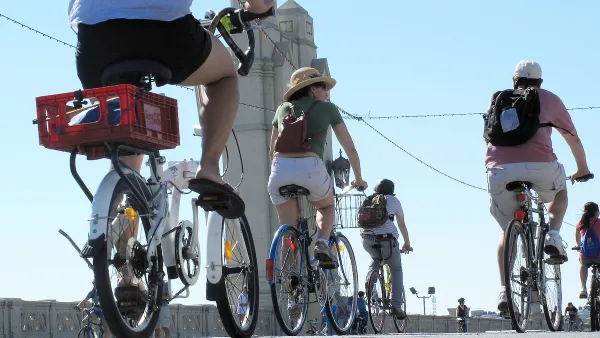
The ‘Virtuous Circle’ of Bikeability
Research reveals that, once a city reaches a certain threshold of bike infrastructure, opposition decreases and residents want more.
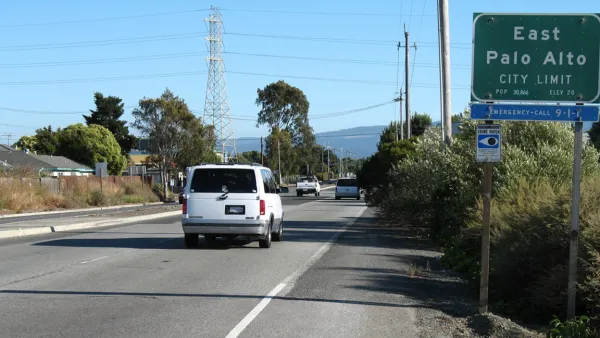
Can Silicon Valley Work for Bikes?
America's tech capital might be great at innovation, but innovation in bike transportation hasn't been a priority. Perhaps that's starting to change.
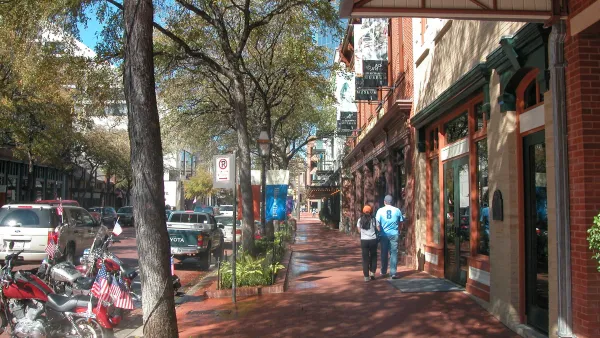
Fort Worth Wants Residents to Live Longer
The Texas city is the largest municipality so far to sign onto the Blue Zones Project, an initiative for improving longevity. In a nutshell, Blue Zones wants to make healthy choices the easy ones.
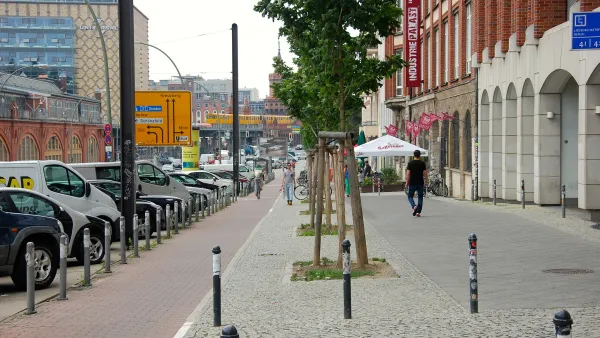
Report: Complete Streets Deliver More Than Just Good Vibes
Better safety and multimodal ease are not the only benefits offered by complete streets. According to this report, on the average they pay for themselves and then some.
Why Walkability is a Civil Rights Issue
The NAACP is probably not the first advocacy group you think of when it comes to supporting walking and biking. But the civil rights organization encourages increasing physical activity in minority communities to help reduce childhood obesity.
Cleveland's Public Space Revolution
With new bike paths, regional trails, and renovated parks, Cleveland is catering to bikes and pedestrians, says Steven Litt. He explains how this "car town" is "undergoing a revolution in attitudes toward public space, city streets and walkability."
Is a New Approach Needed for Getting Kids to School?
Charles Marohn derides the conflicted approach to creating "Safe Routes to Schools" in the United States. With new data linking transport to school to educational outcomes, is it time to rethink the federal government's popular program?
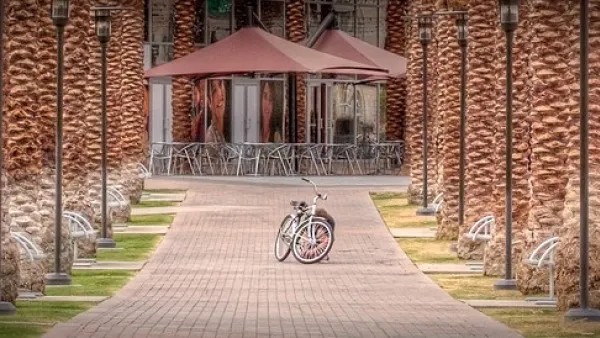
Tempe Better for Bikes Than Portland?
This week, the website Walk Score announced the results of its expanded Bike Score evaluation. With more than double the amount of cities than initially ranked, the usual favorites (Minneapolis, Portland), were joined by some surprises.
What Are the Most Bikeable Cities?
The folks behind Walk Score, the incredibly popular walkability measure, are beta testing a new metric that judges the bikeability of cities, writes Jess Zimmerman.
Effort to Make NYC Streets Safer Paying Dividends
Jane E. Brody reports on the safety features New York City has instituted as part of an ambitious effort to completely re-engineer city streets.
Bikeable and Walkable, But Room to Improve
Seattle has been named one of the nation's safest p[laces to walk or bike. But some question whether that success will translate into any further improvements in bike and pedestrian infrastructure spending.
An Imperfect Bike Mecca Offers Lessons
Portland, Oregon, is often held up as the nation's most bike-friendly city. But while its reputation is not unearned, it also has room for improvement.
Mapping Seattle's Bikeability
Comparing Seattle to Portland, transportation planner Adam Parast used GIS data to show the most bikeable parts of the city.

FREE Course: Walkable City 1: Why Walkability?
After describing his path towards focusing on walkability as the essence of good planning, Jeff Speck marches through his five principal reasons for making more walkable places.
Reinventing Malls: Planning Alchemy—Turning Gray Fields Into Gold
The course focuses on the opportunities and imperatives that shape reinvention of mall sites.

City of Rosemead
Rutgers University, Edward J. Bloustein School of Planning and Public Policy
One Hundred Miles
Hunter College, City University of New York (CUNY)
The Architects Foundation
University of Cincinnati Online
City of Cambridge
Montrose County
The Pocatello Development Authority









