Artificial Intelligence

Planetizen’s Top Posts of 2025
The most-read articles on Planetizen in 2025.

Planetizen’s Top Urban Planning Books of 2025
How thoughtful deregulation could unlock a housing and infrastructure boom, the social histories that lie behind a globalizing economy, and the growing role of artificial intelligence in planning.

When “Neutrality” Becomes Blindness: The Perils of Censoring Race, Class, and Gender Data in Urban Planning
Political pushback against DEI is igniting right at the moment that AI is rising in urban planning. If we don’t fight it, the results could be catastrophic.

San Francisco Bans Living in RVs, Offers Chatbot for Assistance
The city is testing an AI tool to support its understaffed outreach services department, but advocates worry it won’t be accessible to many vehicle dwellers.
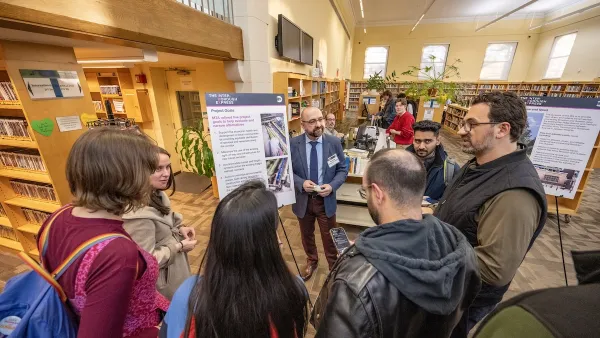
Will Urban Planners Lose Their Jobs to AI?
Let’s see what the data says.

Geographers Aren’t Going Anywhere
Microsoft says AI renders my profession obsolete. They couldn’t be more wrong.

7 Ways Cyclists are Winning in the AI Revolution
For individual cyclists and transportation planners, AI offers some useful tools for understanding bike riders’ behavior and assessing gaps in a city’s bike infrastructure.

In Planning, the Possibilities With AI are High. So are the Stakes.
Planning history tells us that public trust is both fragile and essential. With AI, the time to set the right course is now.

North Carolina Deploys 2,500 AI-Based Traffic Signals
The signals use AI to collect data and help traffic engineers make decisions and implement changes more quickly and effectively.

The Basics of Artificial Neural Networks: What Urban Planners Should Know
Planetizen AI columnist Tom Sanchez takes us under the hood of the technology that drives many AI tools.

What Is Artificial Intelligence?
Data-driven algorithms can help planners make more informed decisions, but the technology comes with its own risks of error, misuse, and built-in biases.

Researchers Use AI to Get Clearer Picture of US Housing
Analysts are using artificial intelligence to supercharge their research by allowing them to comb through data faster. Though these AI tools can be error prone, they save time and housing researchers are optimistic about the future.

Cal Fire Chatbot Fails to Answer Basic Questions
An AI chatbot designed to provide information about wildfires can’t answer questions about evacuation orders, among other problems.
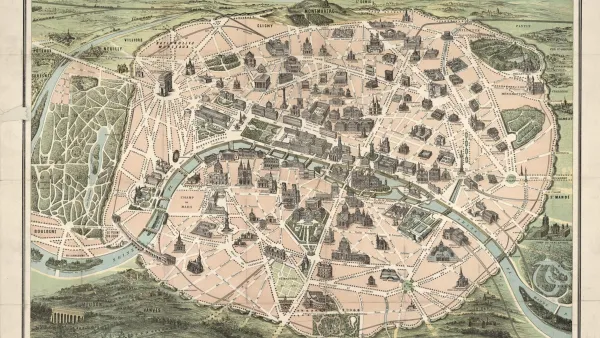
In Urban Planning, AI Prompting Could be the New Design Thinking
Creativity has long been key to great urban design. What if we see AI as our new creative partner?

Four Reasons Urban Planners Can’t Ignore AI
It’s no longer a question of whether AI will shape planning, but how. That how is up to us.

Rethinking Computing: Researchers Tackle AI’s Energy Demands
USC researchers are reimagining how AI systems are trained and powered — through smarter algorithms, innovative hardware, and brain-inspired designs — to dramatically reduce computing’s energy footprint.

How Data-Driven Research Is Shaping Sustainable Urban Development
Explore how data-driven research is revolutionizing sustainable urban development, creating smarter, greener, and more resilient cities for the future.

Minneapolis Bans Rent-Setting Software
Four cities have enacted restrictions on algorithmic software that can inflate rent costs.

Ratepayers Could Be on the Hook for Data Centers’ Energy Use
Without regulatory changes, data centers’ high demand for energy would be subsidized by taxpayers, according to a new study.
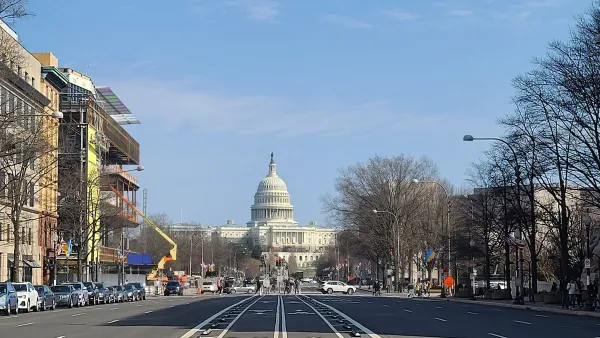
Planning Trends for 2025: Creative Housing Solutions, Ongoing Transit Woes, and the Ever-Creeping Tentacles of AI
Urban planners have no shortage of urgent issues to delve into, from a deepening housing crisis to an increasingly unpredictable climate to a new federal administration bent on slashing key funding for everything from electric cars to housing assistance.

FREE Course: Walkable City 1: Why Walkability?
After describing his path towards focusing on walkability as the essence of good planning, Jeff Speck marches through his five principal reasons for making more walkable places.
Reinventing Malls: Planning Alchemy—Turning Gray Fields Into Gold
The course focuses on the opportunities and imperatives that shape reinvention of mall sites.

City of Rosemead
Rutgers University, Edward J. Bloustein School of Planning and Public Policy
One Hundred Miles
Hunter College, City University of New York (CUNY)
The Architects Foundation
University of Cincinnati Online
City of Cambridge
Montrose County
The Pocatello Development Authority









