The track record of the public sector keeping up with mobility innovations varies by geography and level of governance. According to this article, it's imperative that the public sector keeps up with the pace of private sector innovation.



Ratna Amin begins a recent opinion piece for SPU with a question: "When you hop between bus, bike sharing, taxi and train, whose app are you going to use? Who is going to manage that experience?"
The question is probably easy for most people to answer—there are apps for directions while driving, apps for letting someone else do the driving, apps for renting bikes and scooters, apps for public transit, and even apps for choosing the prettiest route to walk—there are even apps that combine most or all of these modes.
As the mobility-as-a-service (MaaS) market has evolved, companies like Uber have gone multi-modal, and Ratma expresses concern about the consequences of allowing the private sector to dominate the mobility app market. In fact, Ratma details six potential consequences of private sector dominance of MaaS:
- A restricted marketplace limits options
- Public transportation loses relevance
- Private management reduces access and equity
- People have less incentive to make sustainable choices
- Restricted data limits our ability to manage our transportation systems
- Transportation services diverge further
Ratma also describes the many forms public sector stewardship of the mobility experience could take. A first step toward an a more influential role for the public sector is choosing the agency or agencies "responsible for creating and implementing the region’s MaaS vision."
FULL STORY: Why We Can’t Leave Transportation Apps to the Private Sector

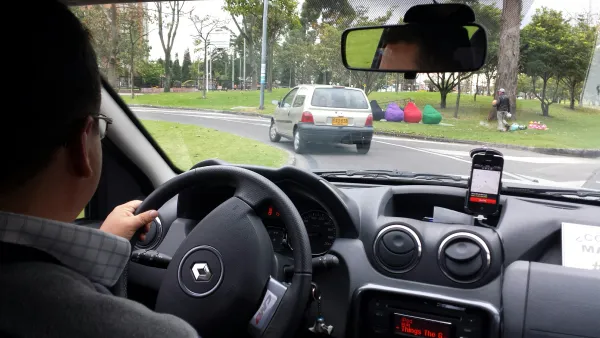
Uber and Lyft Worry They'll Be Forced to Share Ride-Hailing Data After Sharing Scooter Data
A fight over the travel data of shared use mobility companies is just starting in Los Angeles.
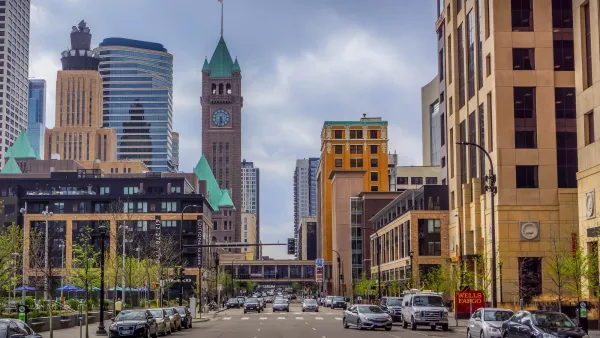
Minneapolis council proposes permitting framework for robotaxis
City leaders say they don't want to be left behind as Waymo and other companies eye the city for the expansion of self-driving fleets.
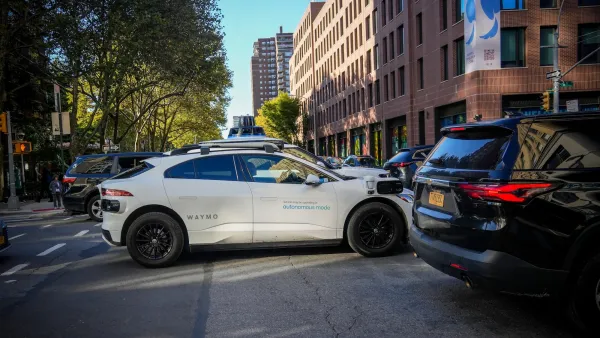
Uber says more Waymos are good for Uber too
The company believes robotaxis are spurring growth in the ride-hailing sector as a whole.

Planetizen Federal Action Tracker
A weekly monitor of how Trump’s orders and actions are impacting planners and planning in America.

The state-sanctioned urbicide of Austin
People don’t kill cities. Freeways do.

US to reduce Colorado River water deliveries to Mexico
A new Colorado Treaty amendment reduces Mexico’s Colorado River water allocation by 250,000 acre feet.

Mamdani overhauls NYC's Vision Zero plan with 100 new policy goals
The overhaul aims to reduce traffic deaths and make streets safer for pedestrians, cyclists and drivers through lower speed limits, new safety infrastructure and more.

Amtrak not solely to blame for New Jersey commuter rail's unreliability, report finds
A new study from the Garden State Initiative found that NJ Transit’s budget grew 20% across a 4 year period, but reliability declined significantly over the same period.

EPA erases limits on planet-warming pollution from power plants
Under Monday’s plan, power plants would still have some limits on how much mercury, arsenic and other contaminants they can emit.

FREE Course: Walkable City 1: Why Walkability?
After describing his path towards focusing on walkability as the essence of good planning, Jeff Speck marches through his five principal reasons for making more walkable places.
Reinventing Malls: Planning Alchemy—Turning Gray Fields Into Gold
The course focuses on the opportunities and imperatives that shape reinvention of mall sites.

Eagle County Government
Harvard University Graduate School of Design
Nashville Planning Department
The Architects Foundation
University of Cincinnati Online
The Pocatello Development Authority
The Urban Renewal Agency of the City of Pocatello
Journal of the American Planning Association