Time magazine charts which American cities have reached "peak millennial."



In recent years, data has suggested that millennials are increasingly departing the major cities they once flocked to. Now, Time Magazine has analyzed a decade of Census data to determine just which cities are losing or poised to lose their millennial populations.
Time researchers drew on the "peak millennial" theory from USC Professor Dowell Myers, which projected that millennials would leave cities for the suburbs as they began to have children. David Johnson writes:
We found that while tech hubs like San Francisco and Seattle are still drawing young people, large East Coast cities, like New York and D.C., are fast approaching peak millennial, with plateauing populations of those born between 1980 and 1996. And then there are cities like Boston, which already appear to have reached their peak. Boston lost roughly 7,000 millennials in 2016, after a record high of 259,000 the previous year.
Planetizen has also covered where millennials are moving and where they are buying homes.
FULL STORY: These Cities Have Already Reached 'Peak Millennial' as Young People Begin to Leave

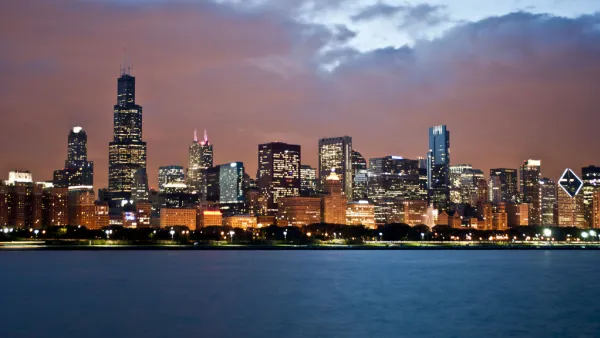
Urban Millennials Stuck in the Three Largest U.S. Metros
For a variety of economic reasons in addition to urban preferences, young people are not leaving the country's three major metropolitan areas: New York, Los Angeles, and Chicago, and that's not good for the nation's economy nor the individuals.
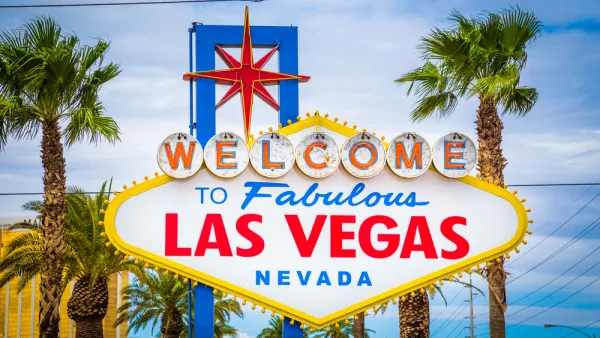
California Migration Boosts Nevada Population Above 3 Million
Californians fleeing the nation's highest housing prices were key to Nevada's growth according to newly released Census data. The Las Vegas Review-Journal's reporter, editorial board, and readers all had something to say about the newcomers.

U.S. Migration Reaches 72-Year Low
Staying in place is more and more the norm, even among historically mobile young people.

Planetizen Federal Action Tracker
A weekly monitor of how Trump’s orders and actions are impacting planners and planning in America.

The state-sanctioned urbicide of Austin
People don’t kill cities. Freeways do.

US to reduce Colorado River water deliveries to Mexico
A new Colorado Treaty amendment reduces Mexico’s Colorado River water allocation by 250,000 acre feet.

Mamdani overhauls NYC's Vision Zero plan with 100 new policy goals
The overhaul aims to reduce traffic deaths and make streets safer for pedestrians, cyclists and drivers through lower speed limits, new safety infrastructure and more.

Amtrak not solely to blame for New Jersey commuter rail's unreliability, report finds
A new study from the Garden State Initiative found that NJ Transit’s budget grew 20% across a 4 year period, but reliability declined significantly over the same period.

EPA erases limits on planet-warming pollution from power plants
Under Monday’s plan, power plants would still have some limits on how much mercury, arsenic and other contaminants they can emit.

FREE Course: Walkable City 1: Why Walkability?
After describing his path towards focusing on walkability as the essence of good planning, Jeff Speck marches through his five principal reasons for making more walkable places.
Reinventing Malls: Planning Alchemy—Turning Gray Fields Into Gold
The course focuses on the opportunities and imperatives that shape reinvention of mall sites.

Eagle County Government
Harvard University Graduate School of Design
Nashville Planning Department
The Architects Foundation
University of Cincinnati Online
The Pocatello Development Authority
The Urban Renewal Agency of the City of Pocatello
Journal of the American Planning Association