The trend of store closures sweeping the nation has not passed up New York City. The Guardian takes an in-depth look at the market forces at work on the famous commercial corridors of New York City.


Edward Helmore writes:
Walk down almost any major New York street – say Fifth Avenue near Trump Tower, or Madison Avenue from midtown to the Upper East Side. Perhaps venture down Canal Street, or into the West Village around Bleecker, and some of the most expensive retail areas in the world are blitzed with vacant storefronts.
Helmore is describing the "retail apocalypse"—except instead of suburban malls, these closures are visiting some of the most urban commercial corridors in the world. And in New York, compared to other places in the United States, the blame is less likely to be laid at the feet of online retailers like Amazon.
Jeremiah Moss, author of the website and book Vanishing New York, is cited in the article saying high rents are the problem. Helmore explains more: "Part of the problem is the changing make-up of New York landlords. Many are no longer mom-and-pop operations, but institutional investors and hedge funds that are unwilling to drop rents to match retail conditions."
The article includes more detail on the business side of retail operations and commercial land ownership in New York City, along with descriptions of the effect of the closures on the ground in New York's neighborhoods.
FULL STORY: New York's vanishing shops and storefronts: 'It's not Amazon, it's rent'

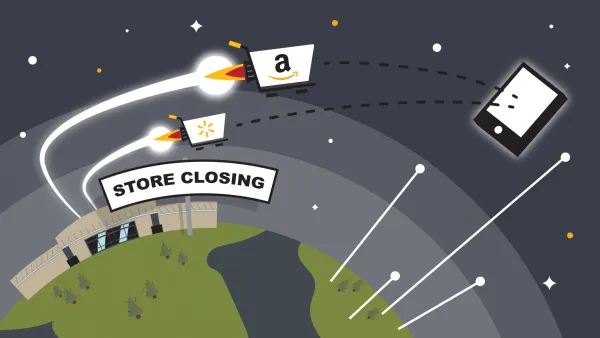
Whole Foods and Amazon: Lessons from Walmart
The question of whether Amazon's ownership of Whole Foods will make opportunities, or take them away, is still up for debate.
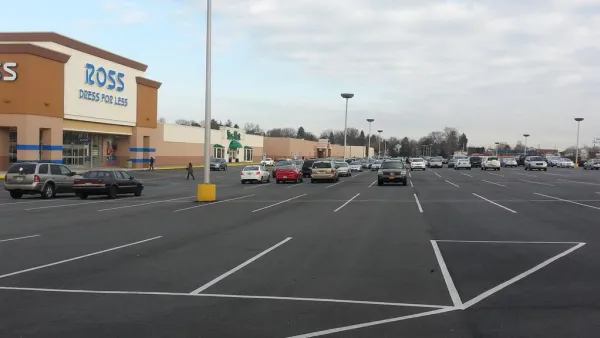
The Suburbs Will Lose the Most in an Era of Shrinking Retail
As brick and mortar retailers shed jobs and stores, suburbs will lose the most in terms of tax revenues and amenities.
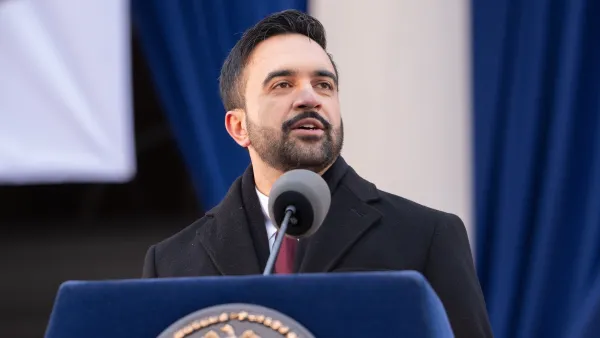
Mamdani overhauls NYC's Vision Zero plan with 100 new policy goals
The overhaul aims to reduce traffic deaths and make streets safer for pedestrians, cyclists and drivers through lower speed limits, new safety infrastructure and more.

Planetizen Federal Action Tracker
A weekly monitor of how Trump’s orders and actions are impacting planners and planning in America.

The state-sanctioned urbicide of Austin
People don’t kill cities. Freeways do.

US to reduce Colorado River water deliveries to Mexico
A new Colorado Treaty amendment reduces Mexico’s Colorado River water allocation by 250,000 acre feet.

5 New England states march closer to 800 megawatt wind energy project
Securing federal approval for the project may be complicated under the Trump administration, which has historically been hostile towards domestic wind power.

Baltimore to break ground on $50 million Transit Priority Project
The project will bring faster bus trips, safer streets and better bike connections to Baltimore.

Airbnb launches $250 million 'last-dollar financing' housing accelerator, makes first investment in Austin
The company will put $6.4 million towards affordable housing development in Texas’ capital.

FREE Course: Walkable City 1: Why Walkability?
After describing his path towards focusing on walkability as the essence of good planning, Jeff Speck marches through his five principal reasons for making more walkable places.
Reinventing Malls: Planning Alchemy—Turning Gray Fields Into Gold
The course focuses on the opportunities and imperatives that shape reinvention of mall sites.

Eagle County Government
Harvard University Graduate School of Design
Nashville Planning Department
The Architects Foundation
University of Cincinnati Online
The Pocatello Development Authority
The Urban Renewal Agency of the City of Pocatello
Journal of the American Planning Association