The Sabinoso Wilderness is designated public land, but it's completely surrounded by private property. That could soon change.


Jodi Peterson writes:
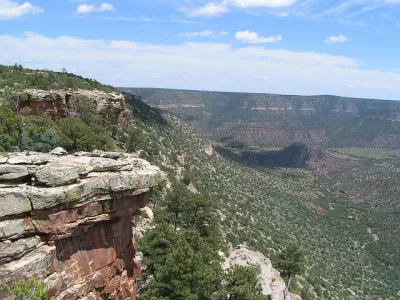
East of Las Vegas, New Mexico, the 16,000-acre Sabinoso Wilderness Area, with its stark cliffs and deep canyons, is the nation’s only legally inaccessible wilderness. It’s been off-limits since it was designated in 2009 because it’s completely surrounded by private property (“Private property blocks access to public lands,” HCN, 2/2/15).
The Wilderness Land Trust recently bought an adjacent ranch, however, and this month "Interior Secretary Ryan Zinke announced that the Bureau of Land Management will complete the processes needed to accept the Trust’s donation of 3,595 acres of the ranch." That approval means the public will soon be able to access the Sabinoso Wilderness Area for outdoor recreation activities.
This good news, if you're a supporter of public lands, comes in stark contrast to the news last week that the Interior Department is recommending to President Trump that some national monuments be reduced in size.
Read the full story: Latest: New Mexico’s landlocked wilderness may become reachable

Monument Review: Recreation a Larger Economic Benefit Than Ranching and Timber Combined
Why is the Department of Interior considering a reduction of the size of the Cascade-Siskiyou National Monument?
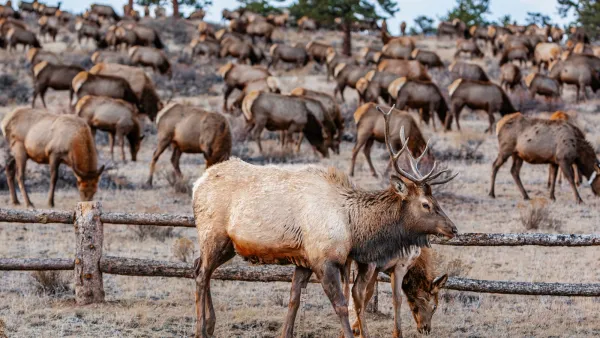
Colorado oil and gas land lease on public land could imperil nation's largest elk herd
The federal government approved the largest land lease to oil and gas interests in Colorado history.

Most Public Lands Are Safe — For Now
A proposal to sell off federally owned lands was removed from the Republican spending bill on procedural grounds.

Planetizen Federal Action Tracker
A weekly monitor of how Trump’s orders and actions are impacting planners and planning in America.

Amtrak, CN end decades-long dispute with eight-year agreement
The new operating agreement establishes an updated framework for the companies to work together, including processes to resolve disputes.

Judges permit Denver to divert 77,000 acre feet from the Colorado River for reservoir expansion
Overuse and climate change have caused the Colorado River’s water levels to plummet.

Atlanta City Council unanimously backs $3.5 billion Beltline light rail project
The resolution was drafted after Atlanta Mayor Andre Dickens pulled support for the Atlanta Streetcar extension last year.

SEPTA to bring nearby frequent transit to over 1 million new riders as part of decade-long plan
The agency's Accelerate plan will also bring frequent transit to twice the amount of jobs that are currently located near it.

NYC plants over 18,000 trees, the most new foliage in a decade
Many of the trees were planted in communities vulnerable to extreme heat.

FREE Course: Walkable City 1: Why Walkability?
After describing his path towards focusing on walkability as the essence of good planning, Jeff Speck marches through his five principal reasons for making more walkable places.
Reinventing Malls: Planning Alchemy—Turning Gray Fields Into Gold
The course focuses on the opportunities and imperatives that shape reinvention of mall sites.

City of Thousand Oaks
City of Wisconsin Rapids
Harvard University Graduate School of Design
The Architects Foundation
University of Cincinnati Online
The Pocatello Development Authority
The Urban Renewal Agency of the City of Pocatello