U.S. landlords are getting a bigger share of the economic pie than they ever have before, according to new government data.



Since the Great Recession in 2008, a disproportionate share of the benefits of the recovery have gone to the most wealthy. And, as would-be home owners are pushed out of the housing market, there are more people competing for rental housing, pushing rental income up in gross terms, but also as a percentage of the gross domestic product. "Rental income as a share of gross domestic product hit an all-time high of 3.86% in the first quarter, according to government data out Friday," reports Andrea Riquier in Market Watch.
"During the downturn, Americans cohabited by necessity, and as baby boomers retire, many are opting to form multi-generational households with their children," Riquier writes. As these people look for homes of their own, they're more likely to rent and see high rents when they're in the market.
FULL STORY: Rental income just hit an all-time high. Here’s how that drives a wedge between ‘haves’ and ‘have-nots’


Cities and States Taking Action to Limit Rent-Setting AI
Federal prosecutors are charging a software company with using algorithms to artificially inflate rents.

NYC Bans Charging Tenants Broker’s Fees
Landlords can no longer tack on thousands of dollars in fees to new tenants to pay brokers who show rental units.
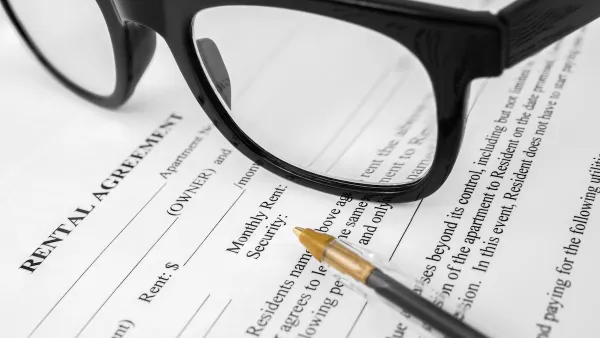
California Law Limits Security Deposits for Renters
Starting this month, landlords can no longer charge multiple months’ rent for security deposits.

The state-sanctioned urbicide of Austin
People don’t kill cities. Freeways do.

US to reduce Colorado River water deliveries to Mexico
A new Colorado Treaty amendment reduces Mexico’s Colorado River water allocation by 250,000 acre feet.

New Jersey’s second-largest city bans standalone data centers
Jersey City will continue to allow co-location facilities, such as those meant for research institutions that store their own data.

Amtrak not solely to blame for New Jersey commuter rail's unreliability, report finds
A new study from the Garden State Initiative found that NJ Transit’s budget grew 20% across a 4 year period, but reliability declined significantly over the same period.

EPA erases limits on planet-warming pollution from power plants
Under Monday’s plan, power plants would still have some limits on how much mercury, arsenic and other contaminants they can emit.

Phoenix announces new on-demand transit service, more frequent RAPID buses
Both new services will launch in October, and are part of Phoenix's Project Effective Access Solutions for Easing Congestion.

FREE Course: Walkable City 1: Why Walkability?
After describing his path towards focusing on walkability as the essence of good planning, Jeff Speck marches through his five principal reasons for making more walkable places.
Reinventing Malls: Planning Alchemy—Turning Gray Fields Into Gold
The course focuses on the opportunities and imperatives that shape reinvention of mall sites.

Eagle County Government
Harvard University Graduate School of Design
Nashville Planning Department
The Architects Foundation
University of Cincinnati Online
The Pocatello Development Authority
The Urban Renewal Agency of the City of Pocatello
Journal of the American Planning Association