As the energy grid evolves to accommodate more and more solar energy, conflicts emerge.


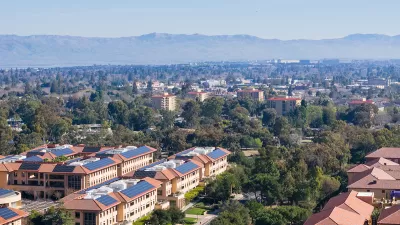
As solar power moved from thermal panels to photovoltaic systems and as installing solar panels became less expensive, more and more property-owners started generating solar power. Sometimes, these home owners can sustain some of their energy needs while supplementing their solar generation with energy from their local utility. But, increasingly, some have been able to generate enough power to sell some back to the utility.
"Huge political battles are now being fought all over the U.S. about what rate should be paid to people with solar panels for the electricity they produce, and engineers and economists are starting to look at completely different solutions – like redesigning the electric meter to better reflect the true economic value of electrons at a given moment," 99% Invisible writes. Naturally, the utilities would prefer to pay the people generating solar energy, with whom they're directly competing, as little as possible; and the people generating the energy, as well as the companies installing those panels for them, want to get the highest price they can.
For more background on the issue of net metering, the term that describes the issues at the heat of the controversy, see past Planetizen coverage.
Read the full story: Reversing the Grid
Solar Industry Growing Fast, but is Hampered by Aging Grid
One of solar’s biggest challenges is getting the energy where it needs to go.
California Could Drastically Cut Solar Incentives
Rooftop solar customers in California could face higher costs and reduced incentives if a proposed overhaul of the state's solar program is approved by the Public Utilities Commission.
Details of the Golden State's Residential Solar Requirement
San Francisco Chronicle energy reporter David R. Baker sheds some light on the nation's first state building code requiring that solar panels be included in new home construction, adopted by the California Energy Commission on May 9.

Planetizen Federal Action Tracker
A weekly monitor of how Trump’s orders and actions are impacting planners and planning in America.

California plans to bury El Niño’s downpour
If the state plays its cards right, it may be able to store a billion acre-feet of El Niño’s water in aquifers.

Desperate measures: Advocates weigh draining Lake Powell to fill Colorado River
Draining the reservoir could reduce evaporation losses by a couple hundred thousand acre-feet.

Chicago voters approve permanent festival grounds, penalty for vacant property owners
Currently, major summer and fall festivals take over public parks for weeks at a time, drawing criticism from nearby residents

NYC votes to cut outdoor dining red tape, speed up permitting
New York City also voted to allow the Department of Transportation to begin work on urgent projects before notifying elected officials.

California appears to reject Prop. 45
The proposition would have expanded the projects that qualify for a streamlined environmental review, effectively paring down the California Environmental Quality Act.

FREE Course: Walkable City 1: Why Walkability?
After describing his path towards focusing on walkability as the essence of good planning, Jeff Speck marches through his five principal reasons for making more walkable places.
Reinventing Malls: Planning Alchemy—Turning Gray Fields Into Gold
The course focuses on the opportunities and imperatives that shape reinvention of mall sites.

City of Rosemead
Rutgers University, Edward J. Bloustein School of Planning and Public Policy
One Hundred Miles
Hunter College, City University of New York (CUNY)
The Architects Foundation
University of Cincinnati Online
City of Cambridge
Montrose County
The Pocatello Development Authority